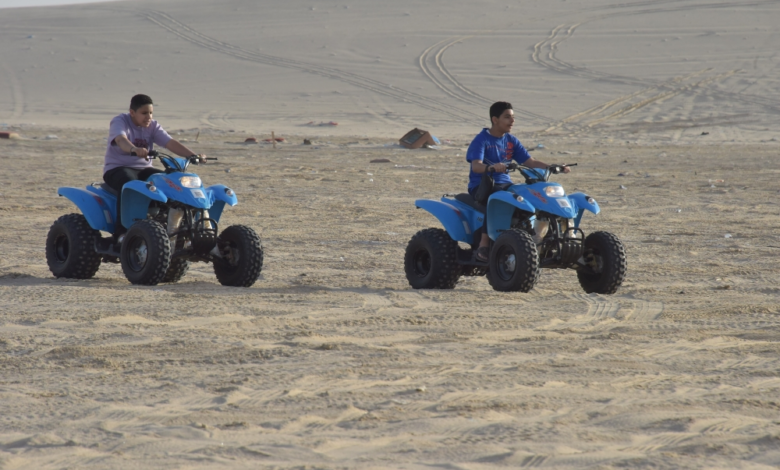
Land tanks in Saudi Arabia: The thrill of adventure and the challenges of organization

Historical evolution: From traditional camping to adventure tourism
Historically, the people of the Arabian Peninsula have been closely linked to the desert. In the past, desert excursions (known locally as "kashtat") were limited to simple camping and searching for grazing land. However, with modern development and exposure to international sports, this tradition has transformed into a comprehensive adventure tourism experience. In Saudi Arabia, off-road driving a natural extension of this passion for the desert, becoming a major outlet that attracts diverse age groups seeking to explore nature, escape the hustle and bustle of cities, and make the most of weekends and holidays in an atmosphere brimming with excitement.
A tourism and economic impact that aligns with Vision 2030
This hobby is gaining significant importance both locally and regionally, especially with the Kingdom's Vision 2030 focus on supporting the tourism and entertainment sectors and enhancing quality of life. Locally, these activities contribute to revitalizing the domestic economy by creating job opportunities in the rental, maintenance, and food truck sectors. Regionally, Saudi Arabia's desert regions attract tourists from neighboring Gulf countries who share the same passion. Internationally, the Kingdom's hosting of major sporting events like the Dakar Rally has placed the Saudi desert on the global motorsports map, further increasing the popularity of this hobby among young people.
Rental sector recovery and price disparities
The Kingdom is witnessing a growing demand for ATV rentals in its desert regions. A field survey revealed a significant boom in the rental sector, according to Abdulhamid Al-Haddad, a worker in the field, who emphasized their commitment to the quality and cleanliness of the vehicles. Al-Haddad explained that prices vary according to the vehicle's class and size; rentals for small ATVs range from 30 to 60 riyals for half an hour. Meanwhile, larger, high-performance vehicles such as the Banshee and Raptor can reach prices of up to 250 riyals per hour, or around 150 riyals for half an hour.
Demands for infrastructure development
Amid this overwhelming demand, calls have emerged from the field for the establishment of organized circuits and the provision of comprehensive services to ensure the safety of participants and curb reckless behavior by teenagers. Those working in the rental sector have suggested the need to improve the infrastructure of these sites by creating dedicated tracks, providing food trucks, and ensuring public hygiene by offering restrooms for families, thus transforming these locations into integrated tourist destinations.
Family awareness and safety first
In the context of raising awareness, amateur astronomer Bashir Al Hamza emphasized the importance of parental supervision, warning against the exhibitionist tendencies of teenagers, which require close monitoring to guide them and ensure their safety. He pointed out that morning exercise contributes positively to adjusting children's sleep patterns before returning to school, while also providing a healthy outlet for physical energy. For his part, Hussein bin Dakhil stressed that enjoyment is intrinsically linked to awareness, urging the necessity of wearing protective helmets and avoiding risks in rugged terrain and dangerous locations.
Towards regulating the hobby and establishing professional circuits
Redha Al Hamza agreed with the points raised, explaining that the hobby is not without the risk of rollovers and injuries, making it essential to ensure the vehicle's mechanical readiness before setting off. Saif Al Ghazawi warned of the dangers associated with hills and high speeds, calling for the regulation of the hobby through the launch of "dedicated competitions" that allow for organized competition on safe tracks. Abbas Safar, for his part, believes that the thrill of the sport should be channeled positively, advising families to cultivate a "love of adventure" in their children within a framework that protects lives. Fadel Al Safar pointed out that the sandy terrain reduces the risks compared to public roads, hoping for the swift establishment of commercial tracks that cater to adults and children and create a comprehensive sporting environment.