
المركز الوطني للأرصاد يطلق الإنذار الأحمر في الرياض
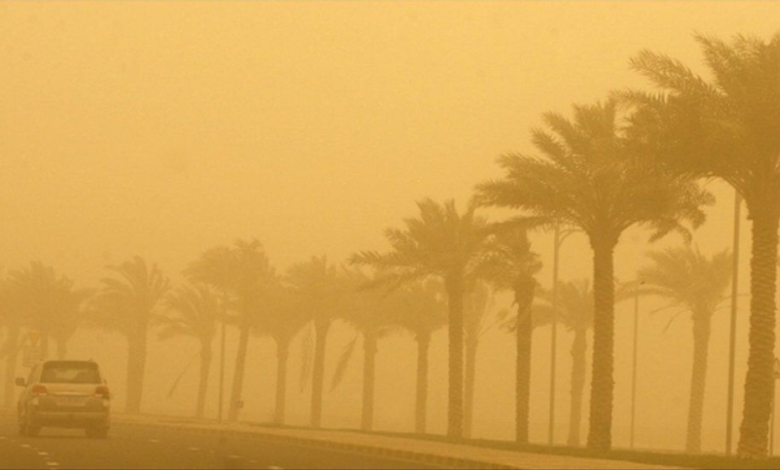
في خطوة استباقية تهدف إلى الحفاظ على سلامة المواطنين والمقيمين، أعلن المركز الوطني للأرصاد في المملكة العربية السعودية عن رفع درجة الإنذار إلى “الإنذار الأحمر” في عدد من محافظات منطقة الرياض. يأتي هذا التحذير العاجل نتيجة لتوقعات بتعرض المنطقة لموجة من عواصف ترابية في الرياض مصحوبة برياح نشطة وأتربة مثارة، مما يستدعي أخذ أقصى درجات الحيطة والحذر من قبل كافة أفراد المجتمع.
تفاصيل الحالة الجوية والمناطق المتأثرة
وفقاً للبيان الرسمي الصادر عن المركز، من المتوقع أن تبدأ هذه الحالة الجوية القاسية صباح يوم الخميس الموافق 9 أبريل 2026م، وتحديداً في تمام الساعة الثامنة صباحاً، على أن تستمر وتيرتها حتى الساعة الثانية من فجر يوم الجمعة 10 أبريل 2026م. وتشمل قائمة المحافظات المشمولة بهذا التحذير كل من: ثادق، حريملاء، رماح، ضرما، ومرات. وقد أوضح المركز أن التأثيرات المباشرة لهذه الحالة تتضمن شبه انعدام في مدى الرؤية الأفقية، حيث يتوقع أن تنخفض الرؤية إلى كيلومتر واحد أو أقل، مما يشكل تحدياً كبيراً لحركة السير والملاحة.
السياق الجغرافي والمناخي للعواصف الترابية في المملكة
تعتبر ظاهرة العواصف الترابية من الظواهر المناخية المعتادة في شبه الجزيرة العربية، وتحديداً في المناطق الوسطى والشرقية من المملكة. تاريخياً، تنشط هذه العواصف خلال الفترات الانتقالية بين الفصول، خاصة في فصل الربيع وبدايات الصيف، حيث تتأثر المنطقة بما يعرف برياح “البوارح” أو المنخفضات الجوية الحركية التي تثير الغبار من الصحاري الشاسعة المحيطة بالمدن. وتلعب الطبيعة الجغرافية للمملكة دوراً رئيسياً في تشكل هذه الموجات الغبارية التي تنتقل عبر مساحات واسعة وتؤثر على جودة الهواء.
التأثيرات المتوقعة محلياً وإقليمياً
على الصعيد المحلي، تترك أي عواصف ترابية في الرياض تأثيرات ملموسة على الحياة اليومية. صحياً، تزيد هذه الأجواء من معاناة مرضى الجهاز التنفسي والربو، مما يدفع الجهات الصحية دائماً للتوصية بالبقاء في المنازل وإحكام إغلاق النوافذ واستخدام الكمامات عند الضرورة القصوى للخروج. أما مرورياً، فإن انخفاض الرؤية الأفقية يتطلب من قائدي المركبات الالتزام التام بالسرعات المحددة، وترك مسافات آمنة، واستخدام مصابيح الضباب لتجنب الحوادث المرورية المروعة.
اقتصادياً ولوجستياً، قد تؤدي حالات الإنذار الأحمر إلى تأخير في بعض الرحلات الجوية أو تباطؤ في حركة النقل البري للبضائع، حرصاً على سلامة الأرواح والممتلكات. وعلى المستوى الإقليمي، فإن مراقبة هذه العواصف تعد أمراً بالغ الأهمية، حيث يمكن للكتل الغبارية الضخمة أن تعبر الحدود لتؤثر على الدول المجاورة في منطقة الخليج العربي.
إرشادات السلامة ودور الجهات الرسمية
في ظل هذه الظروف، يجدد المركز الوطني للأرصاد دعوته للجميع بضرورة متابعة التحديثات المستمرة عبر منصاته الرسمية. إن نظام الإنذار المبكر المعتمد لدى المركز، والذي يتدرج بالألوان وصولاً إلى اللون الأحمر، يمثل أداة حيوية ضمن جهود المملكة لتعزيز الاستجابة للطوارئ وتقليل المخاطر. ويجب على كافة أفراد المجتمع التعاون التام واتباع تعليمات السلامة الصادرة من الجهات المختصة لضمان تجاوز هذه الحالة الجوية بسلام.