
إنجاز طبي سعودي رائد في جراحة زراعة الأعضاء
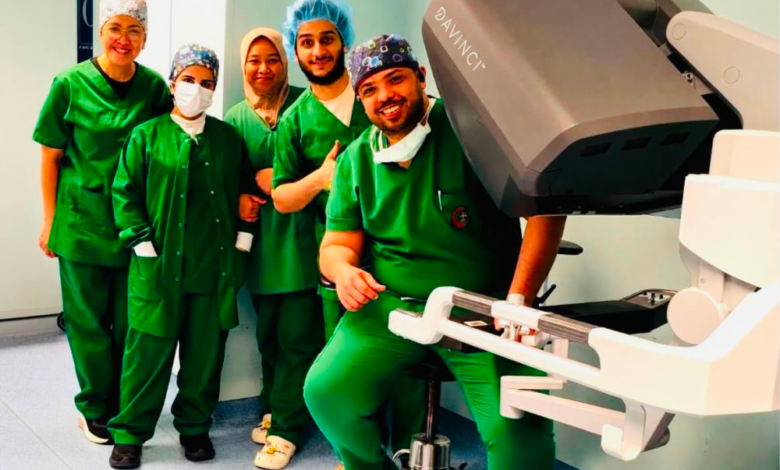
في خطوة تمثل قفزة نوعية للقطاع الصحي في المملكة العربية السعودية، نجح فريق طبي متخصص في مدينة الملك عبد العزيز الطبية للحرس الوطني بالرياض، بقيادة استشاري زراعة الأعضاء الدكتور محمد بن فيصل شاهين، في إجراء عملية زراعة كلى روبوتية خارج الغشاء البريتوني بالكامل. يعد هذا الإنجاز الطبي المتقدم شهادة على التطور الكبير الذي يشهده القطاع الصحي السعودي، ويعزز مكانة المملكة كمركز رائد للتقنيات الطبية الحديثة، بما يتماشى مع مستهدفات رؤية المملكة 2030.
تاريخيًا، مرت جراحات زراعة الكلى بمراحل تطور عديدة، بدءًا من الجراحة المفتوحة التقليدية التي تتطلب شقًا جراحيًا كبيرًا، مرورًا بالجراحة بالمنظار التي قللت من حجم الجروح، وصولًا إلى الجراحة الروبوتية التي تعد اليوم قمة الدقة والتقدم في هذا المجال. ويأتي هذا الإنجاز في الرياض ليدفع بالحدود إلى أبعد من ذلك عبر تطبيق التقنية الروبوتية بأسلوب مبتكر يتجنب الدخول إلى التجويف البريتوني، مما يقلل من المخاطر ويسرّع من تعافي المريض.
مزايا تقنية زراعة كلى روبوتية خارج الغشاء البريتوني
أوضح الدكتور محمد شاهين أن هذا النوع من العمليات يُعد من أحدث التقنيات الجراحية في مجال زراعة الأعضاء. تعتمد التقنية على استخدام الروبوت الجراحي للوصول إلى موقع الزراعة دون الحاجة لفتح الغشاء البريتوني، وهو الغشاء الرقيق الذي يبطن التجويف البطني ويحيط بمعظم الأعضاء الداخلية. إن تجنب فتح هذا الغشاء يوفر مزايا طبية عديدة، أبرزها تقليل احتمالية حدوث الالتصاقات الداخلية، وخفض فرص إصابة الأمعاء أو الأعضاء المجاورة، بالإضافة إلى تقليل معدلات العدوى والمضاعفات الجراحية التي قد تنتج عن الدخول إلى التجويف البطني.
توفر التقنية الروبوتية للجراح رؤية ثلاثية الأبعاد عالية الدقة، إلى جانب أذرع جراحية متطورة تتميز بقدرتها على الحركة الدقيقة في المساحات المحدودة، مما يساعد على إجراء عمليات توصيل الأوعية الدموية للكلية المزروعة بدرجة عالية من الإتقان. وينعكس ذلك إيجابًا على سلامة المريض، حيث تساهم الشقوق الجراحية الصغيرة في تقليل الألم بعد العملية، وتسريع فترة التعافي، وتقليص مدة البقاء في المستشفى، وتمكين المرضى من العودة إلى ممارسة حياتهم الطبيعية في وقت أقصر.
تأثير الإنجاز على مستقبل الرعاية الصحية في المملكة
لا يقتصر هذا الإنجاز على الجانب التقني فقط، بل يعكس مستوى التقدم الذي وصلت إليه الكفاءات الوطنية القادرة على تطبيق أحدث التقنيات العالمية وتقديم خدمات صحية متقدمة تضاهي ما يقدم في أكبر المراكز الطبية المتخصصة حول العالم. كما تمثل هذه التقنية خيارًا مهمًا لفئات معينة من المرضى، خاصة الذين يعانون من السمنة المفرطة أو الذين سبق أن خضعوا لعمليات جراحية متعددة في البطن، حيث ترتفع لديهم مخاطر المضاعفات في الجراحات التقليدية. إن التطور المتسارع في تقنيات الجراحة الروبوتية يفتح آفاقًا واسعة أمام تحسين نتائج العمليات المعقدة، ويعزز من فرص تقليل المضاعفات ورفع معدلات النجاح، الأمر الذي يسهم في تحسين جودة حياة المرضى ويمنحهم فرصة أكبر للشفاء واستعادة نشاطهم بصورة أسرع.