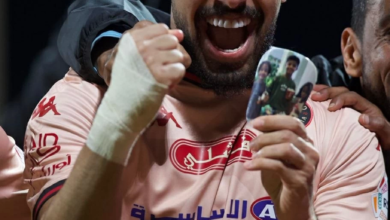
The Saudi Football Federation offers condolences to Al-Ahli player Mohamed Bakr on the death of his father

The Saudi Arabian Football Federation offered its condolences to the star of the first national team and Al-Ahli club, the young player Mohammed Bakr, on the death of his father, Suleiman Yousef Bakr, who passed away and departed to the mercy of God Almighty, in news that saddened the Saudi sports community.
Statement from the Saudi Arabian Football Federation
The official Saudi national team account on the social media platform X (formerly Twitter) published an official statement that read: “The Saudi Arabian Football Federation extends its deepest condolences and sincere sympathies to player Mohammed Bakr on the passing of his father. We pray to God Almighty to grant the deceased His abundant mercy, admit him to Paradise, and grant his family and loved ones patience and solace.” This statement received widespread support from sports fans of all affiliations, who emphasized that sports unite rather than divide, especially in difficult humanitarian situations.
The late Suleiman Bakr... a fragrant legacy
It is worth noting that the late Suleiman Yousef Bakr was not only the father of a football player, but also a highly regarded and highly regarded national figure who dedicated many years of his life to serving Saudi Arabian Airlines. Known in his professional and social circles for his affable nature and unwavering commitment to his work, he was a staunch supporter of his son's sporting career, guiding and advising him until he reached the point of representing the national team. This makes the loss all the more profound for the young star and his family.
Al-Ahly Club and the sports community expressed solidarity
Meanwhile, Al-Ahli's management and fans were quick to offer their condolences to the star defender, expressing their unwavering support during this difficult time. Social media platforms transformed into virtual mourning tents, as Saudi fans rallied to support the player, in a display of the high Islamic and humanitarian values that characterize Saudi society and become particularly evident during times of hardship.
Mohammed Bakr and the future of Al-Akhdar
Mohammed Bakr is considered one of the most prominent rising stars in Saudi football recently, having delivered impressive performances in Al-Ahli's defense. This led to his call-up and inclusion in the Saudi national team by French coach Hervé Renard. Experts view Bakr as a key player for the future of the Green Falcons' defense, especially with the ongoing preparations for upcoming international competitions and the World Cup qualification race. It is expected that the player will overcome his recent setbacks and return stronger to serve his country and club.