
تفاصيل حالة طقس الرياض وتنبيهات الأرصاد الجوية
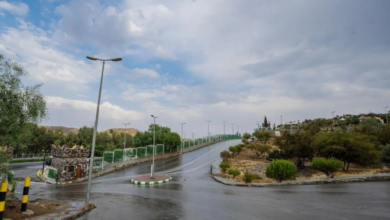
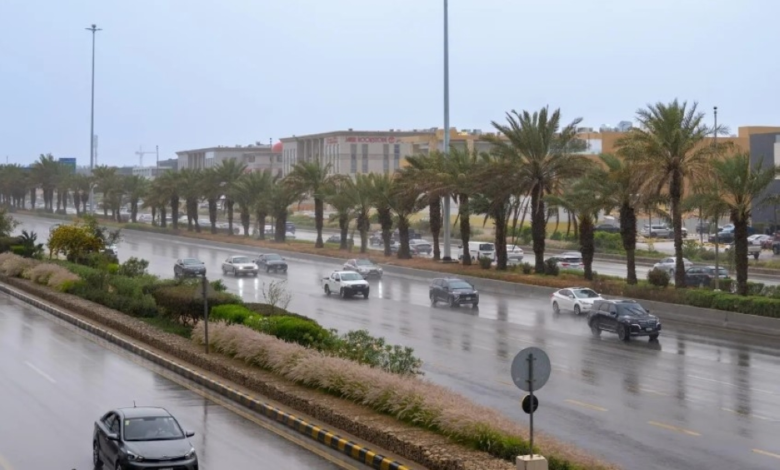
في إطار المتابعة المستمرة للتقلبات الجوية، أصدر المركز الوطني للأرصاد تحذيراً وتنبيهات هامة بشأن حالة طقس الرياض، متوقعاً هطول أمطار تتراوح شدتها بين الخفيفة والمتوسطة خلال يومي الأربعاء والخميس. وتأتي هذه التوقعات ضمن سلسلة من التغيرات المناخية التي تشهدها المنطقة، مما يستدعي من كافة المواطنين والمقيمين أخذ الحيطة والحذر التام، والابتعاد الفوري عن مواقع تجمعات المياه ومجاري السيول لضمان السلامة العامة.
المحافظات والمناطق المشمولة بتوقعات الأمطار
أوضح الرصد الجوي أن التأثيرات المطرية لن تقتصر على العاصمة الرياض فحسب، بل تتسم بالشمولية لتغطي مساحات جغرافية واسعة داخل حدود المنطقة الإدارية. وتشمل المحافظات المتأثرة بهذه الحالة الجوية كل من: الدرعية، حريملاء، ثادق، مرات، ضرما، المزاحمية، والدلم. كما أشار التقرير المناخي إلى امتداد السحب الركامية والتأثيرات المطرية لتشمل مناطق أخرى حيوية مثل: رماح، الرين، حوطة بني تميم، الحريق، الخرج، الغاط، الزلفي، المجمعة، وشقراء، مما يتطلب انتباهاً تاماً أثناء التنقل بين هذه المحافظات.
السياق المناخي والتاريخي للأمطار في المنطقة الوسطى
تاريخياً، تُعرف المملكة العربية السعودية، وتحديداً المنطقة الوسطى التي تضم العاصمة الرياض، بمناخها الصحراوي الجاف، إلا أنها تشهد في مواسم انتقالية معينة (مثل فترات التحول بين فصلي الشتاء والربيع أو الخريف) حالات من عدم الاستقرار الجوي. هذه الحالات تنتج عن التقاء كتل هوائية باردة بأخرى دافئة ورطبة قادمة من بحر العرب أو البحر الأحمر. وقد أولت حكومة المملكة اهتماماً بالغاً بتطوير البنية التحتية ومشاريع تصريف السيول في الرياض والمحافظات التابعة لها خلال العقود الماضية، للتعامل مع هذه الهطولات المفاجئة وتقليل أي أضرار محتملة على الأرواح والممتلكات.
التأثير المتوقع للأمطار (محلياً وإقليمياً)
على المستوى المحلي، تحمل هذه الأمطار تأثيراً إيجابياً كبيراً على البيئة الصحراوية، حيث تساهم في ري المتنزهات البرية (الروضات) التي يقصدها سكان الرياض للسياحة الشتوية والربيعية، مما ينعكس إيجاباً على السياحة الداخلية. كما تدعم هذه الهطولات المخزون الجوفي للمياه وتفيد القطاع الزراعي في محافظات مثل الخرج والمجمعة. أما من الناحية الحضرية، فقد تؤدي هذه التقلبات إلى بعض التباطؤ في الحركة المرورية، مما يبرز أهمية أنظمة الإنذار المبكر التي يديرها المركز الوطني للأرصاد بالتعاون مع الدفاع المدني، والتي تعد نموذجاً إقليمياً يحتذى به في إدارة الأزمات وتقليل الخسائر الاقتصادية الناجمة عن الظواهر الجوية المتطرفة.
إرشادات السلامة المرورية والوقاية من السيول
شددت الجهات الرسمية على ضرورة الالتزام الحرفي بإرشادات السلامة المرورية خلال فترة هطول الأمطار. وتتضمن هذه الإرشادات:
- تجنب عبور الأودية أو الاقتراب من مناطق جريان المياه المنخفضة تحت أي ظرف.
- ترك مسافة أمان كافية بين المركبات لتجنب الانزلاقات الناتجة عن بلل الطرق.
- الحد من السرعة واستخدام الإضاءة المناسبة أثناء القيادة في أوقات تدني الرؤية الأفقية.
- متابعة التحديثات المستمرة الصادرة عن المركز الوطني للأرصاد والمديرية العامة للدفاع المدني عبر القنوات الرسمية.
إن الوعي المجتمعي والالتزام بالتوجيهات الرسمية هما خط الدفاع الأول لضمان مرور هذه الحالة الجوية بسلام، وتحويلها إلى أمطار خير وبركة تعم بنفعها البلاد والعباد.