
جهود مكثفة لتسهيل حركة ضيوف الرحمن في موسم الحج
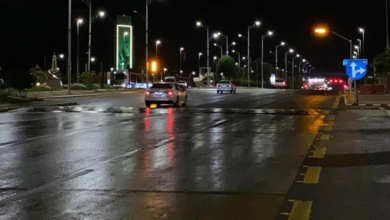
في إطار الاستعدادات الاستثنائية التي تشهدها المملكة العربية السعودية لاستقبال حجاج بيت الله الحرام، سجلت الهيئة العامة للطرق إحصائيات بارزة تعكس حجم العمل اللوجستي الضخم. ففي اليوم الثالث من شهر ذي الحجة، تم رصد عبور أكثر من 70 ألف مركبة عبر مختلف الطرق المؤدية إلى مكة المكرمة. وتأتي هذه الإحصائيات ضمن الجهود التشغيلية والتنظيمية المتكاملة التي تهدف إلى تسهيل حركة ضيوف الرحمن خلال موسم الحج، ورفع كفاءة التنقل على شبكة الطرق في جميع الاتجاهات المؤدية إلى العاصمة المقدسة.
إحصائيات تفصيلية لحركة المركبات نحو العاصمة المقدسة
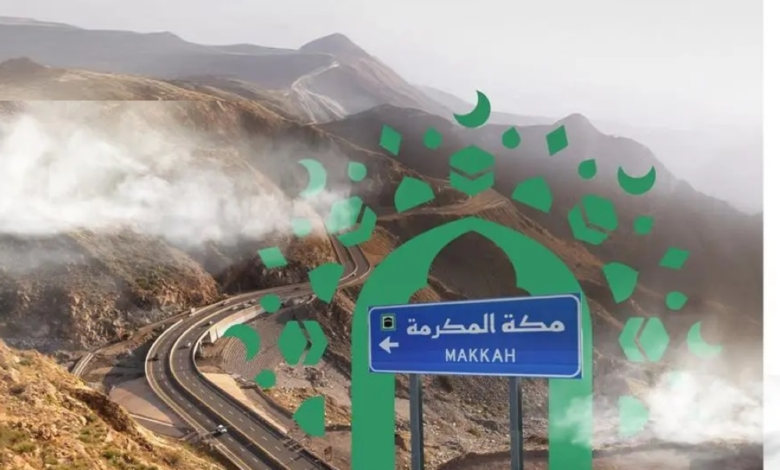
أوضحت الهيئة العامة للطرق من خلال تقاريرها الميدانية توزيعاً دقيقاً لحركة المرور، حيث جاءت الإحصائيات على النحو التالي:
- طريق الأمير محمد بن سلمان: تصدر قائمة الطرق من حيث الكثافة المرورية بعبور 23,632 مركبة.
- طريق الليث: سجل عبور 13,047 مركبة.
- طريق الطائف – مكة المكرمة (عبر السيل الكبير): شهد عبور 12,630 مركبة.
- طريق مكة المكرمة – الطائف (عقبة الهدا): سجل عبور 8,034 مركبة.
- طريق مكة المكرمة – جدة (بحرة): بلغ عدد المركبات العابرة 6,872 مركبة.
- طريق الهجرة: شهد عبور 4,071 مركبة.
- طريق مكة المكرمة – جدة المباشر: سجل عبور 1,432 مركبة.
السياق التاريخي وتطور البنية التحتية لخدمة الحجاج
تاريخياً، أولت المملكة العربية السعودية منذ توحيدها اهتماماً بالغاً بتطوير البنية التحتية لمكة المكرمة والمشاعر المقدسة. وقد شهدت العقود الماضية استثمارات بمليارات الريالات لشق الطرق عبر الجبال وتعبيد المسارات التي تربط مكة بجدة والمدينة المنورة والطائف. هذا التطور المستمر ينسجم اليوم مع مستهدفات رؤية السعودية 2030، والتي تضع خدمة ضيوف الرحمن في صدارة أولوياتها، بهدف استضافة أعداد متزايدة من الحجاج والمعتمرين وتقديم خدمات ذات جودة عالية تضمن راحتهم وسلامتهم.
الأهمية الاستراتيجية والتأثير الإقليمي والدولي
لا يقتصر تأثير نجاح إدارة حركة المرور في الحج على النطاق المحلي فحسب، بل يمتد ليشمل أبعاداً إقليمية ودولية. محلياً، يضمن هذا التنظيم الدقيق استمرار الحياة الطبيعية لسكان منطقة مكة المكرمة وانسيابية سلاسل الإمداد التجاري. أما دولياً، فإن قدرة المملكة على إدارة واحدة من أكبر التجمعات البشرية في العالم وفي مساحة جغرافية محدودة، تعكس كفاءة لوجستية وتنظيمية فائقة، مما يبعث رسالة طمأنينة لملايين المسلمين حول العالم بأن ذويهم من الحجاج في أيدٍ أمينة وتحت رعاية شاملة.
رفع مستوى السلامة المرورية والجاهزية الميدانية
في ختام تقريرها، أكدت الهيئة العامة للطرق على استمرار جاهزيتها الميدانية والتشغيلية على مدار الساعة عبر كافة الطرق المؤدية إلى المشاعر المقدسة. وتعتمد الهيئة على أحدث التقنيات لمتابعة الحركة المرورية بشكل لحظي، بهدف التدخل السريع ورفع مستوى السلامة والخدمات المقدمة لضيوف الرحمن. هذه الإجراءات الاستباقية تسهم بشكل مباشر في ضمان انسيابية التنقل، وتقليل نسب الحوادث، وتوفير أقصى درجات الراحة للحجاج ليتمكنوا من أداء مناسكهم بيسر وسهولة.