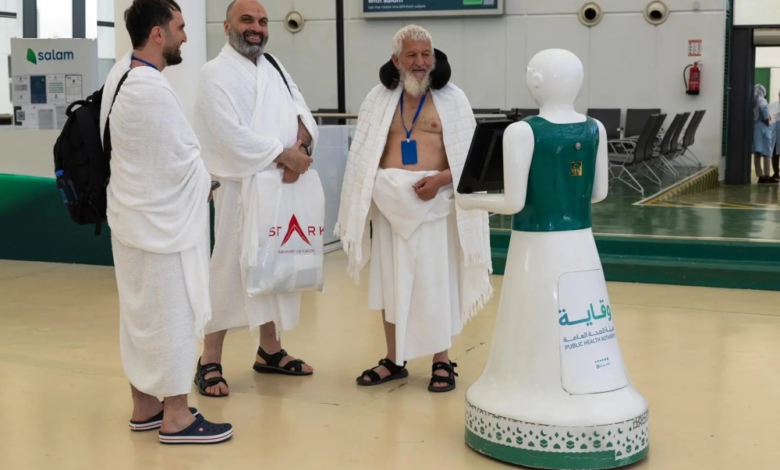

الذكاء الاصطناعي في خدمة ضيوف الرحمن
في خطوة رائدة تعكس التطور التقني السريع، وظفت المنظومة الصحية في المملكة العربية السعودية التقنيات الذكية والذكاء الاصطناعي لخدمة ضيوف الرحمن خلال موسم الحج. ويبرز في هذا السياق “روبوت وقاية” كأحد أهم الابتكارات الحديثة التي تهدف إلى تقديم الإرشادات والتوعية الصحية للحجاج بأكثر من 97 لغة عالمية. تأتي هذه المبادرة لضمان إيصال الرسائل الصحية الدقيقة لمختلف الجنسيات والثقافات التي تتوافد إلى الأراضي المقدسة، مما يكسر حاجز اللغة ويسهل التواصل الفعال.
الخلفية التاريخية والتحول الرقمي في طب الحشود
تاريخياً، كانت إدارة الحشود والتوعية الصحية في مواسم الحج تعتمد بشكل كبير على الكوادر البشرية، والمطبوعات الورقية، واللوحات الإرشادية التقليدية. ومع تزايد أعداد الحجاج سنوياً وتنوع لغاتهم بشكل كبير، برزت الحاجة الماسة إلى حلول مبتكرة تعمل على مدار الساعة. ومن هنا، جاء التحول الرقمي في القطاع الصحي السعودي ليقدم حلولاً استباقية. يمثل توظيف الروبوتات الذكية نقلة نوعية في تاريخ الخدمات الطبية المقدمة في الحج، حيث يقلل من الاعتماد على المترجمين البشريين، ويسرع من عملية الاستجابة، ويضمن دقة المعلومات الطبية المقدمة.
مهام “روبوت وقاية” والمواقع الحيوية
يقدم “روبوت وقاية” محتوى توعوياً وإرشادياً شاملاً للحجاج على مدار الساعة. وتتركز مهامه الأساسية في التوعية بطرق الوقاية من الإجهاد الحراري وضربات الشمس، وهي من أكثر التحديات الصحية شيوعاً خلال أداء المناسك في الأجواء الحارة. كما يقدم إرشادات حيوية مرتبطة بالحفاظ على النظافة الشخصية والصحة العامة لمنع انتشار العدوى. ولضمان أقصى استفادة، تم التوزيع الاستراتيجي لهذه الروبوتات في المواقع الحيوية ذات الكثافة العالية، والتي تشمل: ساحات المسجد النبوي الشريف، وساحات مسجد قباء في المدينة المنورة، ومحطة قطار الحرمين بمكة المكرمة، بالإضافة إلى صالة الحجاج في مطار الملك عبدالعزيز الدولي بجدة.
الأهمية والتأثير المحلي والدولي
على الصعيد المحلي، ينسجم هذا الابتكار تماماً مع مستهدفات “رؤية المملكة 2030″، وتحديداً برنامج تحول القطاع الصحي وبرنامج خدمة ضيوف الرحمن، مما يرفع من جودة الخدمات المقدمة. أما على الصعيدين الإقليمي والدولي، فإن هذا التوظيف للتقنية يعكس مستوى التقدم المذهل الذي وصلت إليه المملكة في إدارة الخدمات الصحية خلال التجمعات البشرية الكبرى. هذا النجاح يعزز مكانة السعودية كدولة رائدة عالمياً في مجال “طب الحشود” (Mass Gathering Medicine)، عبر منظومة صحية متكاملة تجمع بين الابتكار، وسرعة الاستجابة، وكفاءة الرعاية، لتقديم نموذج يحتذى به عالمياً في إدارة صحة الملايين في مساحة جغرافية وزمنية محدودة.