
تدخل جراحي دقيق ينقذ حياة حاج في مكة المكرمة
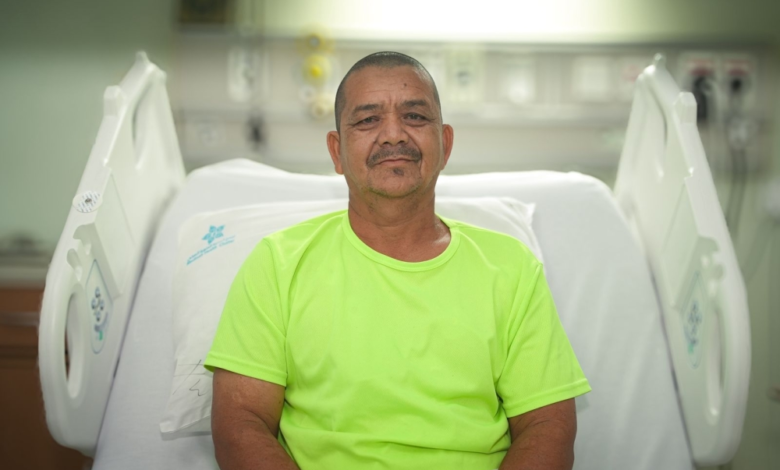
في إنجاز طبي لافت يعكس مدى التطور الذي وصلت إليه المنظومة الصحية في المملكة العربية السعودية، نجح مركز القلب في مدينة الملك عبدالله الطبية، عضو تجمع مكة المكرمة الصحي، في إنقاذ حياة حاج من الجنسية الماليزية عبر إجراء عملية قلب متقدمة باستخدام تقنية الروبوت الجراحي. وصل الحاج إلى قسم الطوارئ وهو يعاني من آلام صدرية حادة، وبعد إجراء الفحوصات الطبية اللازمة، تبين وجود انسدادات متعددة ومعقدة في الشرايين التاجية، مما أثر بشكل كبير على كفاءة عضلة القلب وشكل تهديدًا مباشرًا لحياته.
السياق العام: الرعاية الصحية في موسم الحج
تولي المملكة العربية السعودية اهتمامًا بالغًا بتوفير أرقى مستويات الرعاية الصحية لضيوف الرحمن خلال موسم الحج، وهو ما يمثل تحديًا لوجستيًا وصحيًا كبيرًا كل عام. تاريخيًا، دأبت المملكة على تسخير كافة إمكانياتها لخدمة الحجاج، وتطوير بنية تحتية صحية متكاملة في المشاعر المقدسة تشمل مستشفيات ومراكز صحية مجهزة بأحدث التقنيات وكوادر طبية مؤهلة. وتأتي هذه الجهود ضمن منظومة متكاملة تهدف إلى ضمان سلامة الحجاج وتمكينهم من أداء مناسكهم بصحة وطمأنينة، وهو ما يمثل أولوية قصوى تترجمها مثل هذه التدخلات الطبية النوعية.
تفاصيل العملية وأهمية التقنية الروبوتية
نظرًا للحالة الحرجة للمريض وضرورة التدخل السريع لتمكينه من استكمال مناسكه، قرر الفريق الطبي المتكامل اللجوء إلى الجراحة الروبوتية (Pump Assisted). تم خلال العملية توصيل الشريان الثديي الداخلي الأيسر (LIMA) بالشريان الأمامي النازل (LAD) بنجاح تام. تكمن أهمية استخدام الروبوت في جراحات القلب في كونها من العمليات محدودة التدخل، حيث يتم إجراؤها عبر فتحات صغيرة في الصدر بدلاً من شق الصدر بالكامل كما في جراحات القلب المفتوح التقليدية. هذا الأسلوب يقلل من الألم والمضاعفات المحتملة، ويسرّع بشكل ملحوظ من فترة التعافي، وهو عامل حاسم بالنسبة للحاج الذي يرغب في العودة سريعًا لإتمام شعائره.
الأثر المحلي والدولي وتوافقها مع رؤية 2030
يعكس هذا الإنجاز الطبي مدى التزام المملكة بتحقيق مستهدفات رؤية 2030 وبرنامج تحول القطاع الصحي، اللذين يركزان على رفع جودة الخدمات الصحية وتوظيف أحدث التقنيات العالمية. على الصعيد المحلي، يؤكد هذا النجاح على الكفاءة العالية للكوادر الطبية السعودية وقدرة المنشآت الصحية على التعامل مع أعقد الحالات. أما على الصعيد الدولي، فإنه يرسخ مكانة المملكة كوجهة رائدة في تقديم الخدمات الطبية المتقدمة، خاصة في مواسم الحج والعمرة، ويعزز صورتها كدولة تضع صحة الإنسان وخدمة ضيوف الرحمن في مقدمة أولوياتها. كما سيخضع المريض لمتابعة مستمرة عن بعد عبر الساعة الذكية وخدمات مستشفى صحة الافتراضي، مما يضمن استمرارية الرعاية بأحدث الحلول الرقمية.