
Tensions escalate over Chelsea's frozen funds
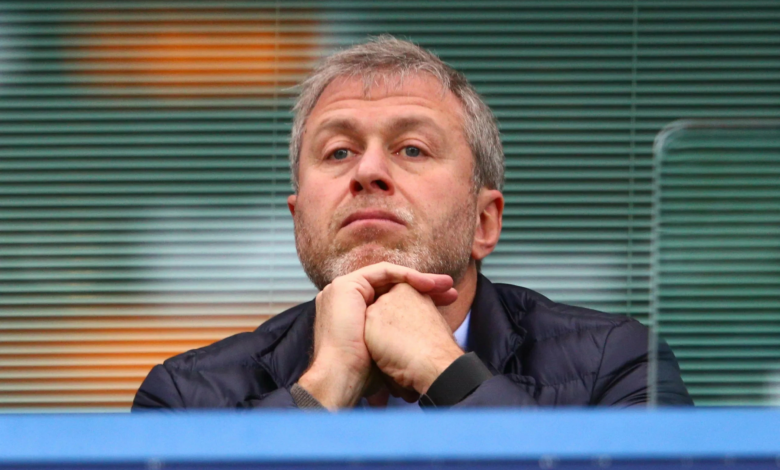
Legal and political tensions are escalating between Russian billionaire Roman Abramovich and the British government in a complex crisis centered on the fate of £2.5 billion in frozen proceeds from the sale of English football club Chelsea. Abramovich's legal team has issued strong warnings, asserting that these funds remain the exclusive property of their client and that any government attempt to seize or redirect them without his explicit consent will be met with a fierce legal battle in British courts.
Historical context: From sporting glory to international sanctions
To understand the roots of this crisis, one must go back to 2003 when Abramovich acquired Chelsea Football Club, a historic move that reshaped the landscape of English and European football. For nearly two decades, the Russian billionaire poured vast sums of money into the club, propelling the Blues to unprecedented domestic and continental titles. However, the Russian invasion of Ukraine in late February 2012 dramatically altered the situation. The United Kingdom and the European Union swiftly imposed stringent economic sanctions on prominent Russian figures, with Abramovich at the forefront due to his alleged ties to President Vladimir Putin. This resulted in the freezing of his assets and forced him to put the club up for sale immediately.
Details of the legal dispute and the fate of the £2.5 billion
In May 2022, Chelsea's ownership changed hands to a consortium led by American businessman Todd Pohley. Despite the completion of the deal, the substantial financial proceeds were deposited into a frozen UK bank account. The crux of the current dispute lies in conflicting viewpoints; the British government insists that the entire sum be allocated exclusively to supporting victims of the war in Ukraine. Abramovich, on the other hand, is demanding greater flexibility, indicating his desire for donations to include victims of the conflict on both sides, including Russian beneficiaries.
Abramovich’s lawyers have confirmed that the funds belong entirely to Fordstam, the entity he used to finance Chelsea for years. In a formal letter ahead of a March 17 deadline, the lawyers accused the British government of turning a voluntary donation into a “punitive measure,” noting that the donation was Abramovich’s personal initiative before the sanctions were imposed. The situation is further complicated by parallel legal investigations in Jersey into the sources of his wealth.
Regional and international impact of the crisis
On the political and international stage, this issue is gaining significant importance. British Prime Minister Keir Starmer has warned that time is running out to find a solution, emphasizing his government's readiness to resort to the courts. The international community is closely monitoring the case, as its outcome will set an important legal precedent regarding how to handle frozen Russian assets in Western countries and its impact on international property rights laws. Ultimately, the Chelsea financial crisis is at a critical juncture, with Abramovich clinging to his rights in the face of firm British political will, setting the stage for an imminent legal confrontation.