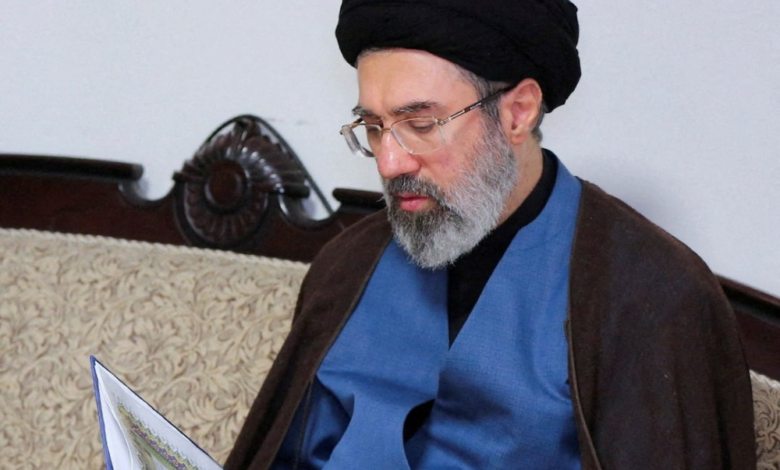

أكد وزير الخارجية الأمريكي ماركو روبيو أن المرشد الأعلى الجديد في إيران، مجتبى خامنئي، لا يزال على قيد الحياة وأن دوره في إدارة شؤون البلاد يزداد بشكل ملحوظ، وذلك على الرغم من الشكوك التي حامت حول مصيره بعد إصابته في الضربات الأمريكية-الإسرائيلية الأخيرة. تأتي هذه التصريحات في وقت حاسم، حيث تلقي التطورات في طهران بظلالها على مستقبل المنطقة بأسرها، وتضع شروطاً جديدة أمام أي محاولة للتوصل إلى اتفاق دبلوماسي.
وفي شهادته أمام لجنة الشؤون الخارجية في مجلس الشيوخ، قال روبيو: “اعتقد أن هناك مؤشرات تظهر أنه يشارك بشكل أكبر في قيادة البلاد على مستوى معين”، مشيراً إلى أن غياب خامنئي الابن عن المشهد العام منذ توليه السلطة لا يعني بالضرورة ابتعاده عن مركز صنع القرار. وخلف مجتبى (56 عامًا) والده علي خامنئي، الذي قُتل في أولى الضربات التي أدت إلى اندلاع حرب الشرق الأوسط في 28 فبراير، في سابقة هي الأولى من نوعها في تاريخ الجمهورية الإسلامية التي تشهد انتقالاً وراثياً للسلطة العليا.
خلافة غامضة وتحديات داخلية
يمثل صعود مجتبى خامنئي إلى قمة هرم السلطة في إيران تحولاً تاريخياً يكتنفه الغموض. فبينما كان والده شخصية حاضرة بقوة في المشهد السياسي لعقود، يظل مجتبى شخصية أقل ظهوراً، مما يفتح الباب أمام تكهنات حول طبيعة قيادته ومدى سيطرته على المؤسسات النافذة في البلاد، وعلى رأسها الحرس الثوري. إن تأكيد روبيو على تزايد مشاركته في اتخاذ القرارات يشير إلى أن مرحلة انتقالية معقدة تجري خلف الكواليس، تهدف على الأرجح إلى ترسيخ سلطته وتثبيت أركان حكمه في مواجهة التحديات الداخلية والخارجية الهائلة التي تواجهها إيران.
شروط الاتفاق النووي ومصير مجتبى خامنئي
ربط روبيو أي فرصة للتوصل إلى اتفاق دبلوماسي مع طهران بضرورة تقديم تنازلات جوهرية في ملفها النووي. ورغم إعرابه عن أمله في إمكانية التوصل لاتفاق، شدد على أن رفع العقوبات الاقتصادية مرهون بـ”قيود صارمة وطويلة الأمد”، وإلغاء كامل لأنشطة تخصيب اليورانيوم التي كانت سبباً في فرض العقوبات. وأضاف: “إذا وافقت على التخلي عن تلك الأمور، فسيؤدي ذلك إلى تخفيف للعقوبات”. إن كيفية تعاطي القيادة الجديدة في طهران مع هذه المطالب ستكون الاختبار الحقيقي الأول لقدرة مجتبى خامنئي على إدارة واحدة من أكثر القضايا حساسية على الساحة الدولية.
مضيق هرمز: ورقة ضغط استراتيجية
لم تقتصر الشروط الأمريكية على البرنامج النووي، بل امتدت لتشمل ضمان أمن الملاحة في مضيق هرمز، الشريان الحيوي لإمدادات النفط العالمية. وأوضح روبيو أن على طهران الموافقة على إعادة فتح المضيق بشكل كامل، قائلاً: “يتعين عليهم الإعلان بوضوح تام أن المضائق أصبحت مفتوحة، وأن أي رسوم عبور لن تُفرض، وسنساعد في إزالة الألغام التي زرعوها هناك، ولن تُستهدف السفن”. يعكس هذا الشرط مدى القلق الدولي من تأثير الصراع على استقرار الاقتصاد العالمي، ويضع مسؤولية مباشرة على القيادة الإيرانية الجديدة لضمان عدم استخدام المضيق كورقة ضغط سياسية أو عسكرية.