روبيو يحدد شكل العلاقة مع أوروبا: شراكة لا تبعية وموقف حازم بشأن نافالني

أكد وزير الخارجية الأمريكي، ماركو روبيو، في تصريحات لافتة تعكس التوجه الجديد للسياسة الخارجية الأمريكية في عهد إدارة الرئيس دونالد ترامب، أن الولايات المتحدة تسعى لبناء علاقة شراكة حقيقية مع القارة الأوروبية، بعيداً عن مفاهيم التبعية أو الاعتماد الكلي. جاء ذلك خلال زيارته الرسمية إلى سلوفاكيا، والتي تأتي عقب مشاركته في فعاليات مؤتمر ميونيخ للأمن، الحدث الأبرز عالمياً في مناقشة السياسات الدفاعية.
رؤية جديدة للعلاقات عبر الأطلسي
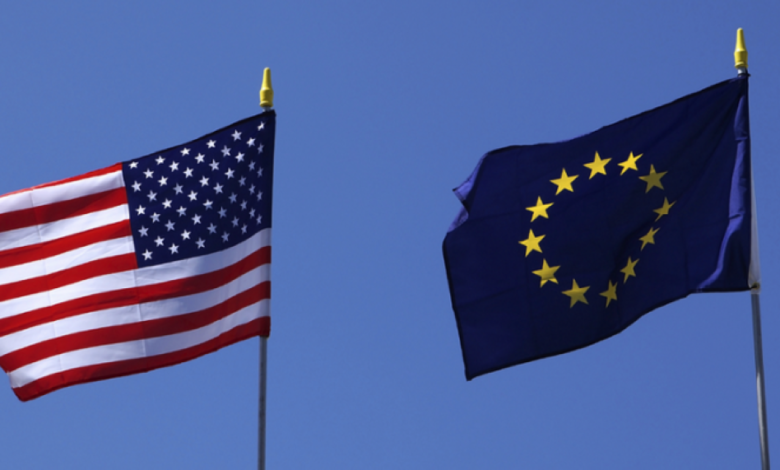
وفي تفاصيل التصريحات التي أدلى بها روبيو، أوضح أن واشنطن ترحب بمساعي أوروبا لتعزيز استقلاليتها الاستراتيجية وتقليل اعتمادها المزمن على الولايات المتحدة في الملفات الأمنية والسياسية. وقال روبيو بوضوح: "لا نريد من أوروبا أن تكون تابعة للولايات المتحدة. نريد أن نكون شركاء لكم. نريد العمل مع أوروبا، ونريد العمل مع حلفائنا".
وتأتي هذه التصريحات في سياق تاريخي متصل برؤية الرئيس دونالد ترامب، الذي طالما انتقد خلال ولايته الأولى ما وصفه بـ"الاستغلال" الأوروبي للمظلة الأمنية الأمريكية، مطالباً دول حلف شمال الأطلسي (الناتو) بزيادة إنفاقها الدفاعي وتحمل أعباء حماية القارة. ويشير المحللون إلى أن تصريحات روبيو تهدف إلى طمأنة الحلفاء بأن الدعوة لـ"عدم التبعية" لا تعني التخلي الأمريكي عن أوروبا، بل تعني الدفع نحو تحالف أكثر توازناً وعدالة في توزيع المسؤوليات، خاصة في ظل التحديات الجيوسياسية المتصاعدة عالمياً.
قضية نافالني: توافق أمريكي أوروبي
وعلى صعيد آخر، تطرق وزير الخارجية الأمريكي إلى الملف الحقوقي والسياسي الشائك مع روسيا، وتحديداً قضية وفاة المعارض الروسي البارز أليكسي نافالني. وأعلن روبيو تأييد بلاده الكامل لنتائج التحقيق الذي أجرته خمس دول أوروبية (بريطانيا، فرنسا، ألمانيا، السويد، وهولندا)، والذي خلص إلى أن نافالني قُتل مسموماً داخل سجنه.
وقال روبيو خلال مؤتمر صحفي مشترك مع رئيس الوزراء السلوفاكي روبرت فيكو في براتيسلافا: "بالطبع، ليس لدينا أي سبب للتشكيك في ذلك، ولا نختلف معه"، مشيراً إلى الثقة الأمريكية في المؤسسات الاستخباراتية والتحقيقية للحلفاء الأوروبيين.
أبعاد الاتهام وتأثيره الدولي
وكانت الدول الأوروبية الخمس قد وجهت، يوم السبت، اتهاماً مباشراً لموسكو بتسميم نافالني، الذي توفي في عام 2024، باستخدام "مادة سامة نادرة". ويحمل هذا التوافق الأمريكي الأوروبي حول قضية نافالني دلالات سياسية هامة؛ إذ يؤكد أنه رغم الخلافات المحتملة حول آليات الدفاع والإنفاق المالي، فإن الكتلة الغربية لا تزال موحدة في موقفها تجاه ملفات حقوق الإنسان والانتهاكات المنسوبة لروسيا. ويعتبر هذا الموقف رسالة موحدة للكرملين بأن واشنطن، حتى في ظل سياستها الجديدة، لن تتغاضى عن تصفية المعارضين السياسيين.