Rubio: Washington may join the Russia-Ukraine negotiations, and the Donetsk obstacle remains

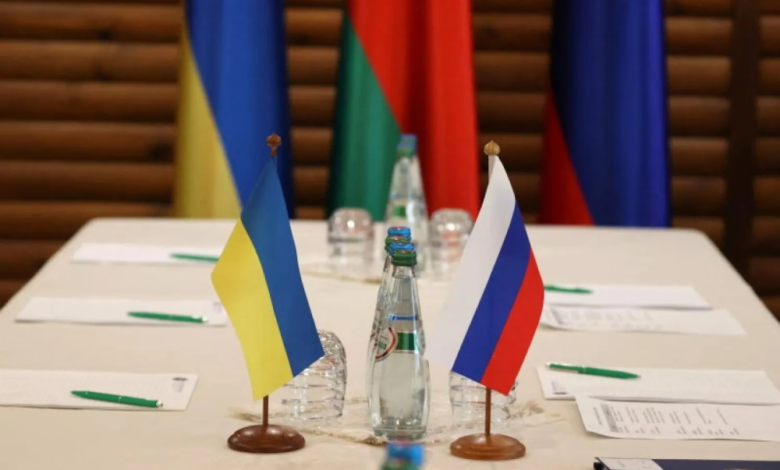
US Secretary of State Marco Rubio announced in significant remarks before the Senate Foreign Relations Committee that the United States is seriously considering joining the upcoming round of direct talks between Moscow and Kyiv this week. This announcement comes amidst intense international diplomatic efforts to end the years-long war, despite persistent fundamental disagreements over sovereignty and territorial issues.
Details of the talks and the American role
Rubio explained that the Russian and Ukrainian delegations, who held their first publicly announced direct negotiations in the Emirati capital, Abu Dhabi, last week, are expected to resume discussions this week. The US Secretary of State indicated that the United States might attend this round, adding that the level of American representation might be lower than in the previous round, which saw the participation of senior envoys Steve Wittkopf and Jared Kushner, reflecting a more direct US interest in the settlement process.
Donetsk obstacle and security guarantees
In discussing the obstacles, Rubio confirmed that a preliminary agreement had been reached on “security guarantees” for Ukraine, a key condition set by Kyiv before making any concessions. However, the territorial issue in eastern Ukraine remains the “main obstacle” that has yet to be overcome. “There is still one outstanding issue, as you all know, which is the claim to the Donetsk region,” Rubio stated bluntly, referring to the strategic area in the Donbas region claimed by Moscow as part of its territory, while Kyiv maintains its sovereignty over it.
Rubio added, acknowledging the difficulty of the situation: “I know that strenuous efforts are being made to try to reconcile the views of both sides on this issue… and this matter will be extremely difficult, especially for Ukraine.”.
Background of the conflict and its historical developments
The roots of this complex crisis can be traced back to February 2012, when Russia launched a large-scale military operation against Ukraine, triggering the largest land conflict in Europe since World War II. The war has resulted in the deaths of tens of thousands of soldiers and civilians, widespread destruction of infrastructure, and the displacement of millions. The Donetsk region, along with Luhansk, has been a focal point of the conflict since 2014, and Russia formally annexed it, along with other territories, a move widely condemned internationally, making negotiations over its status a matter of national sovereignty for both sides.
Regional and international importance of the negotiations
This diplomatic activity is of paramount importance both regionally and internationally. The success of these negotiations could mean the end of one of the most draining crises on the global economy, one that has caused severe disruptions in energy and food markets. Furthermore, Washington's direct involvement, and the holding of meetings in Arab capitals such as Abu Dhabi, indicate a pressing international desire to de-escalate tensions and prevent the conflict from spiraling into a wider confrontation between major powers, especially given the current geopolitical shifts.