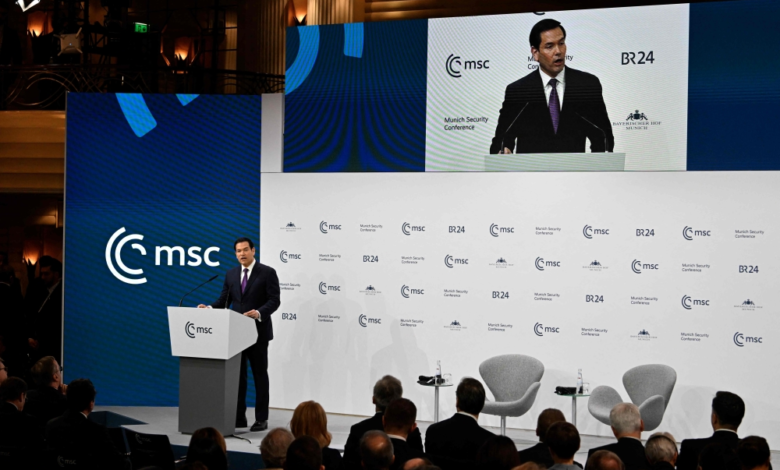

أعلن وزير الخارجية الأمريكي، ماركو روبيو، عن ملامح الاستراتيجية الجديدة للسياسة الخارجية للولايات المتحدة في ظل إدارة الرئيس دونالد ترامب، مؤكداً أن واشنطن تهدف إلى قيادة عملية "ترميم" شاملة للنظام العالمي الحالي. وجاءت تصريحات روبيو لتضع حداً للتكهنات حول توجهات الإدارة الجديدة، راسمة خطوطاً عريضة لمرحلة تتسم بالواقعية السياسية والتركيز على المصالح المشتركة مع الحلفاء التقليديين.
موقف حازم تجاه فعالية الأمم المتحدة
في تصريحات صحفية أثارت جدلاً واسعاً، وجه روبيو انتقادات لاذعة للمنظومة الأممية الحالية، مشيراً بوضوح إلى أن الأمم المتحدة لم تعد تلعب "أي دور" فعال في حل النزاعات الدولية المعقدة. ويعكس هذا التصريح قناعة راسخة لدى تيار واسع داخل الإدارة الأمريكية بأن الآليات التقليدية للمنظمة الدولية قد أصابها الشلل، لا سيما في ظل استخدام حق النقض (الفيتو) الذي يعطل القرارات الحاسمة، مما يستدعي البحث عن بدائل أكثر فاعلية تعتمد على القوة والنفوذ المباشر للدول الكبرى.
مستقبل العلاقات عبر الأطلسي وحلف الناتو
وفيما يتعلق بحلف شمال الأطلسي (الناتو)، بدد روبيو المخاوف الأوروبية بشأن احتمالية انسحاب واشنطن أو سعيها لتفكيك الحلف. وأوضح أن الولايات المتحدة لا تسعى إلى "تقسيم" الناتو، بل تهدف إلى "تحفيزه". ويُقرأ هذا التصريح في سياق السياسة التي طالما نادى بها الرئيس ترامب، والتي تطالب الدول الأعضاء بزيادة إنفاقها الدفاعي وتحمل أعباء الأمن الجماعي بشكل أكثر عدالة. وشدد روبيو على الرابطة التاريخية والاستراتيجية بين ضفتي الأطلسي قائلاً إن الولايات المتحدة وأوروبا "قدرهما أن تكونا معاً"، مما يرسل رسالة طمأنة للحلفاء الأوروبيين مع إشارة ضمنية لضرورة إصلاح آليات العمل المشترك.
السياق الجيوسياسي وأهمية "الترميم"
يأتي حديث روبيو عن "ترميم" النظام العالمي في وقت يشهد فيه العالم تحولات جيوسياسية كبرى، مع تصاعد نفوذ قوى دولية منافسة واشتعال بؤر صراع في مناطق متعددة. ويشير مصطلح الترميم هنا إلى رغبة واشنطن في استعادة هيبتها القيادية وفرض رؤيتها للأمن والسلم الدوليين، ليس من خلال المؤسسات البيروقراطية الدولية، بل عبر التحالفات القوية والسياسات الثنائية المباشرة.
التأثيرات المتوقعة محلياً ودولياً
من المتوقع أن تؤدي هذه السياسة إلى تغييرات ملموسة في المشهد الدولي؛ فعلى الصعيد الأوروبي، قد تضطر الدول الأعضاء في الناتو إلى تسريع خططها لتحديث جيوشها وزيادة ميزانيات الدفاع. أما على الصعيد الدولي، فقد تشهد الفترة المقبلة تهميشاً لدور المنظمات الدولية لصالح الدبلوماسية المباشرة والاتفاقيات الثنائية التي تقودها واشنطن. ويرى مراقبون أن هذه الاستراتيجية تهدف إلى إعادة تموضع الولايات المتحدة كقطب أوحد قادر على ضبط إيقاع النظام العالمي وفقاً لمصالحها ومصالح حلفائها المقربين، بعيداً عن تعقيدات الإجماع الدولي الذي تفرضه أروقة الأمم المتحدة.