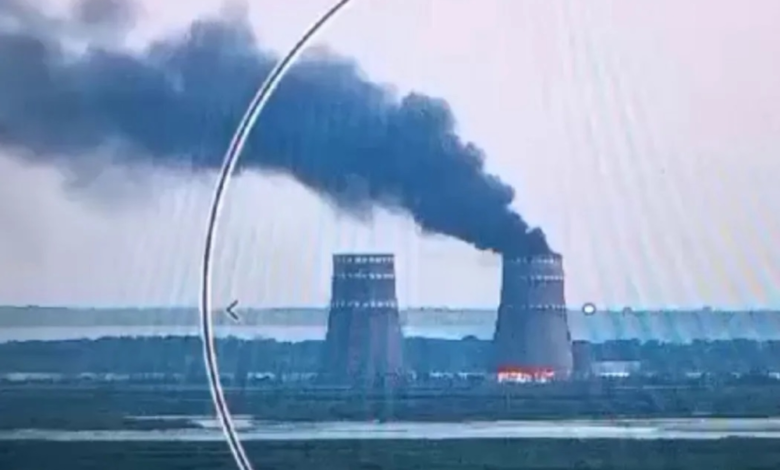

أعلنت السلطات الروسية في موسكو، اليوم الثلاثاء، عن تعرض البنية التحتية لمحطة زابوريجيا النووية لأضرار مادية جسيمة نتيجة ما وصفته بضربات شنتها القوات الأوكرانية، مما أدى إلى انقطاع أحد خطي التغذية الكهربائية الرئيسيين للمحطة. ويأتي هذا التطور ليزيد من حدة التوتر في المنطقة التي تشهد نزاعاً عسكرياً مستمراً، وسط مخاوف دولية متزايدة من تداعيات أي خطأ قد يطال المنشآت النووية.
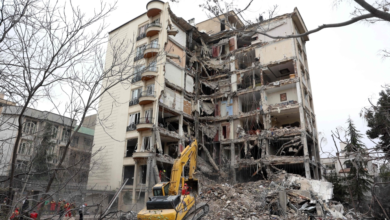
وذكر المسؤولون عن الإدارة الروسية للمحطة، عبر بيان نُشر على تطبيق "تليجرام"، أن الهجوم الأوكراني استهدف منطقة إنرجودار الصناعية، مما أسفر عن تضرر منشآت حيوية داخل المدينة وفي محيط المحطة النووية. وأوضح البيان أن المحطة تعتمد حالياً على الخط الثاني لتأمين الكهرباء الضرورية لعمليات التبريد والتشغيل الآمن، مؤكدين في الوقت ذاته أن الوضع لا يزال "تحت السيطرة" وأن مستويات الإشعاع في أكبر محطة نووية في أوروبا لا تزال ضمن المعدلات الطبيعية والمعايير الآمنة.
السياق التاريخي والأهمية الاستراتيجية
تكتسب محطة زابوريجيا أهمية استراتيجية وجيوسياسية بالغة، حيث تُعد الأكبر من نوعها في أوروبا وتضم ستة مفاعلات نووية كانت توفر قبل الحرب نحو خُمس احتياجات أوكرانيا من الكهرباء. وقد سيطرت القوات الروسية على المحطة في أوائل مارس 2022، بعد أيام قليلة من بدء الغزو الروسي لأوكرانيا في 24 فبراير. ومنذ ذلك الحين، تحولت المحطة الواقعة على الضفة الجنوبية لنهر دنيبرو إلى نقطة ساخنة وخط تماس مباشر بين القوات الروسية والأوكرانية، مما جعلها محوراً للجدل الدولي والتحذيرات الأممية المستمرة.
سيناريوهات المخاطر والتأثير الدولي
تثير هذه الحوادث المتكررة قلقاً عميقاً لدى الوكالة الدولية للطاقة الذرية والمجتمع الدولي، نظراً للمخاطر الكارثية المحتملة. وتكمن الخطورة الأساسية في أن انقطاع التيار الكهربائي الخارجي عن المحطة يهدد بتوقف أنظمة التبريد اللازمة للمفاعلات ولأحواض الوقود المستهلك. وفي حال فشل المولدات الاحتياطية (التي تعمل بالديزل) في العمل، قد يؤدي ذلك إلى ارتفاع حرارة قلب المفاعل وحدوث انصهار نووي، وهو سيناريو يعيد للأذهان كارثتي تشيرنوبل وفوكوشيما، مع تأثيرات إشعاعية قد لا تقتصر على أوكرانيا وروسيا فحسب، بل قد تمتد لتشمل دولاً مجاورة في أوروبا الشرقية ومنطقة البحر الأسود.
تبادل الاتهامات المستمر
يأتي هذا الإعلان كجزء من مسلسل طويل من تبادل الاتهامات بين موسكو وكييف. فبينما تتهم روسيا الجانب الأوكراني بشن هجمات متهورة بالطائرات المسيرة والمدفعية تهدد السلامة النووية، ترفض أوكرانيا هذه المزاعم وتتهم القوات الروسية بتحويل المحطة إلى قاعدة عسكرية وتخزين الأسلحة فيها، واستخدامها كدرع لشن هجمات على المناطق المجاورة، مما يعقد الجهود الدولية الرامية لإنشاء منطقة منزوعة السلاح حول المحطة لضمان أمنها.