Russia accuses the US of escalating tensions after the seizure of an oil tanker in the Atlantic

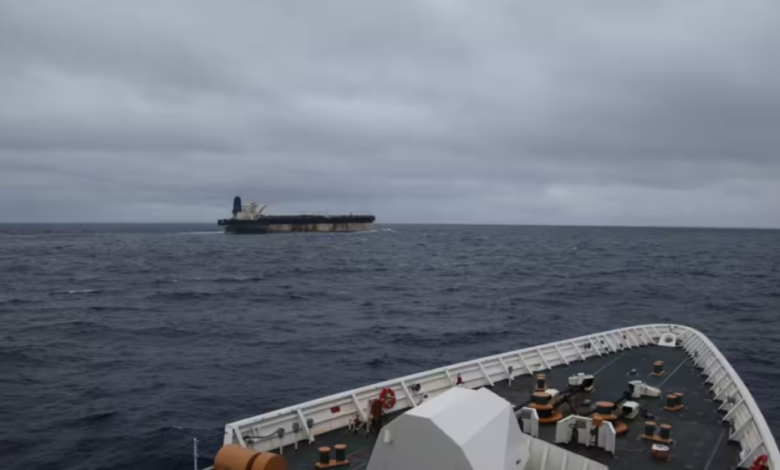
Moscow on Thursday directly accused the United States of escalating military and political tensions and threatening the safety of international shipping, following the seizure of a Russian-flagged oil tanker by US forces in the North Atlantic. The Russian Foreign Ministry described the move as a dangerous escalation, expressing deep concern over what it called Washington's "readiness to create international crises," and asserting that such actions would only further complicate an already tense global situation.
Details of the operation and British involvement
In a related development, the British Ministry of Defence revealed its role in the operation, stating that it provided "coordinated operational assistance" to the US forces that intercepted the vessel known as the Bella 1 (later renamed the Marinera). The interception took place in a strategic area of the strait between Britain, Iceland, and Greenland, in response to a formal request for assistance from the United States.
The reports explained that British support was not limited to intelligence information, but included allowing the Americans to use at least one air base, British Royal Forces taking over air surveillance duties, in addition to providing a supply ship to support American forces during their pursuit and interception of the Russian tanker that had been under surveillance for several days.
Context of the conflict and the sanctions war
This incident cannot be separated from the general context of the ongoing geopolitical conflict between Russia and the West since the outbreak of the war in Ukraine in 2022. This American move comes within the framework of tightening Western sanctions on Russian energy exports, as Washington and its allies in the G7 seek to impose a price ceiling on Russian oil and prevent Moscow from using its naval fleet to circumvent these sanctions to finance its military operations.
This incident indicates a shift in the Western strategy for dealing with what is known as the Russian "shadow fleet," as the confrontation moves from theoretical economic sanctions to direct physical actions on the high seas, reflecting an American determination to tighten the economic noose around the Kremlin.
Potential repercussions of the event
This incident is expected to cast a shadow on the international scene in several ways:
- Militarily and politically: Intercepting commercial vessels could increase military friction between Russian and NATO forces in international waters, raising the risk of unintended collisions.
- Economically: Such incidents could disrupt global energy markets and increase marine insurance costs for commercial vessels, especially those transporting oil in areas of Western influence.
- Legally: This action opens the door to international legal debates about freedom of navigation in international waters and the legality of imposing unilateral sanctions through military force.