Russia calls for a ceasefire in the Middle East and condemns the escalation

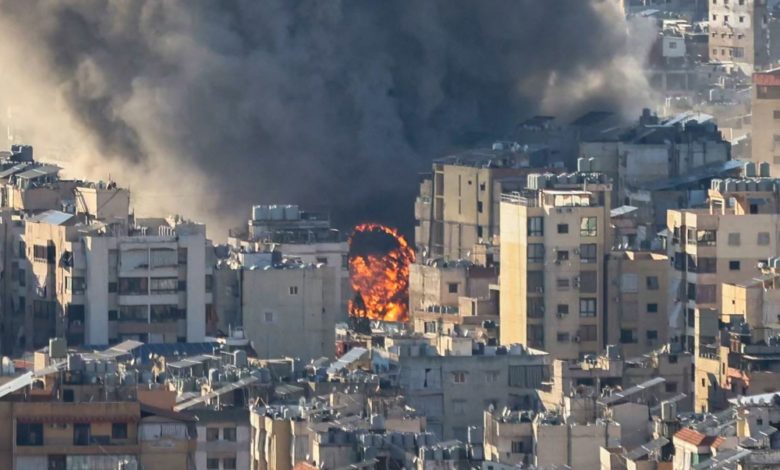
In an official statement issued by its Ministry of Foreign Affairs, the Russian Federation called for an immediate ceasefire in the Middle East, expressing its deep concern over the escalating military conflict in the region. This call came in the wake of airstrikes launched by the United States and Israel against targets inside the Islamic Republic of Iran, which Moscow deemed a dangerous development threatening international peace and security.
The Russian Foreign Ministry, in a statement issued on Monday, strongly condemned any acts of aggression targeting civilian infrastructure or endangering civilian lives, whether in Iran or neighboring Arab countries. The statement emphasized that "any attack on civilian targets is completely unacceptable and reprehensible," calling on all parties to exercise restraint and return to the diplomatic track to spare the region the horrors of a full-scale war.
Background of tension and escalating regional conflict
Russia's stance comes at a highly sensitive time, as the Middle East is on a knife's edge due to the overlapping of several conflict fronts. Since the outbreak of war in the Gaza Strip, the circle of confrontations has widened to include southern Lebanon, Yemen, Iraq, and Syria, culminating in the unprecedented direct confrontation between Israel and Iran. Moscow views Western military moves in the region with suspicion, believing that unconditional American support for Israel contributes to fueling the conflict rather than resolving it.
Historically, Russia has maintained strategic relations with Tehran and considers regional stability vital to its geopolitical and economic interests. Moscow has long played a role in attempting to create a balance of power in the Middle East, repeatedly warning that the brinkmanship practiced by some parties could lead to disastrous and uncontrollable consequences.
International repercussions and anticipated risks
The Kremlin's concerns extend beyond the military sphere to include the economic and humanitarian repercussions of this escalation. Experts believe that continued exchanges of fire between major regional powers could lead to severe disruptions in global energy markets, given the region's strategic location as a major source of oil and gas and a vital corridor for international trade.
Furthermore, Russia warns that the continued targeting of civilian infrastructure and the expansion of military operations could lead to new waves of displacement and exacerbate humanitarian crises in Arab countries already suffering from fragile infrastructure. Moscow calls on the international community and the Security Council to fulfill their responsibilities by pressing for an immediate de-escalation, emphasizing that military solutions will not bring security to any party but will only further complicate the political and security landscape in the Middle East for years to come.