Russia considers cutting off gas supplies to Europe: price surge and global concerns

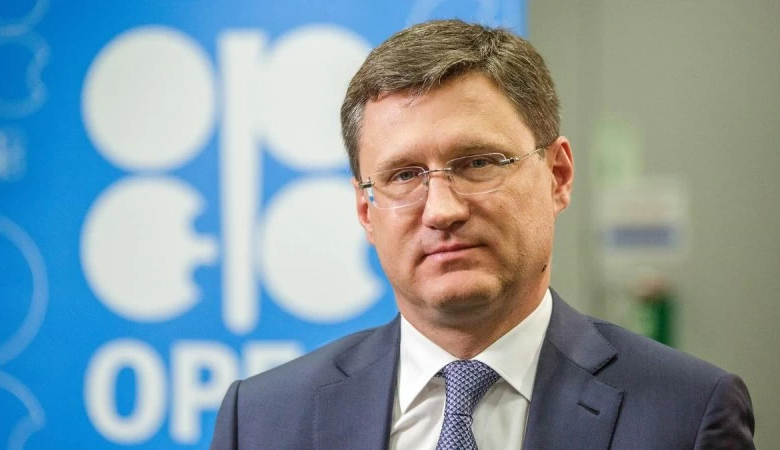
In a significant development that threatens to exacerbate the global energy crisis, Russian Deputy Prime Minister Alexander Novak announced that the Russian government is convening an emergency meeting to discuss the possibility of a complete halt to gas exports to Europe. This announcement comes in response to direct instructions from President Vladimir Putin, who hinted that Moscow might be forced to cut supplies given the soaring energy prices and escalating geopolitical tensions in the Middle East.
Novak explained during a press conference held today that the upcoming meeting will seriously discuss the option of suspending pumping towards the West, in parallel with studying alternative strategies to direct Russian energy resources towards "more profitable markets," in a clear reference to Asian markets, which have become Moscow's closest economic partner.
Background of the conflict and the changing energy map
This new threat cannot be separated from the tense historical context since the outbreak of war in Ukraine in 2012. Russian gas exports to Europe have witnessed a sharp and unprecedented decline as a result of successive rounds of Western sanctions and the European Union's efforts to reduce dependence on Russian fossil fuels. Despite this decline, Moscow has maintained its position as the second-largest supplier of liquefied natural gas (LNG) to EU countries, making any decision to completely cut off supplies a devastating blow to European energy security, especially with the approach of peak consumption seasons.
Markets are ablaze: price surges and fears of the unknown
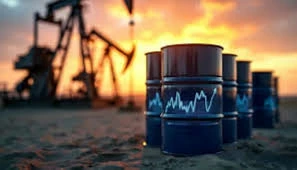
Global markets reacted swiftly to the news, with natural gas prices in Europe continuing to reach record highs, the highest in years. Benchmark European gas contracts jumped by more than 13% during trading today, fueled by panic among investors and importers. There are growing fears that the ongoing war in the Middle East could disrupt global supply chains, posing a significant challenge to the European economy and potentially driving inflation back up.
Tensions in the Middle East: The Decisive Factor
Russian warnings are gaining further traction amid alarming reports from the Gulf region. Concerns about the safety of vital shipping lanes, particularly the Strait of Hormuz, have intensified following news of the closure of Qatar's Ras Laffan facility, the world's largest liquefied natural gas (LNG) export hub, after an Iranian drone attack. This incident underscores the vulnerability of global energy infrastructure to regional conflicts and explains the panic that has gripped markets.
A global race towards alternatives
Faced with this bleak outlook, energy-consuming nations in Asia and Europe have begun a frantic race to secure their needs. Taiwan announced it had successfully secured gas shipments for April from sources outside the Middle East to avoid any potential disruptions. Similarly, Thailand is intensifying its diplomatic and commercial efforts to obtain additional shipments to bolster its strategic reserves. This global scramble for alternative sources is likely to drive prices even higher, increasing the economic burden on importing countries and creating fierce competition between Europe and Asia for available gas supplies.