Morocco qualifies for the quarter-finals of the 2025 Africa Cup of Nations with a goal from Diaz

secured The Moroccan national team its passage to the quarter-finals of the 2025 Africa Cup of Nations, which is being hosted by the Kingdom of Morocco, after achieving a hard-fought and valuable victory over its Tanzanian counterpart by a single goal, in the match that brought them together yesterday evening (Sunday) amidst a large crowd.
Diaz's bite decides the match
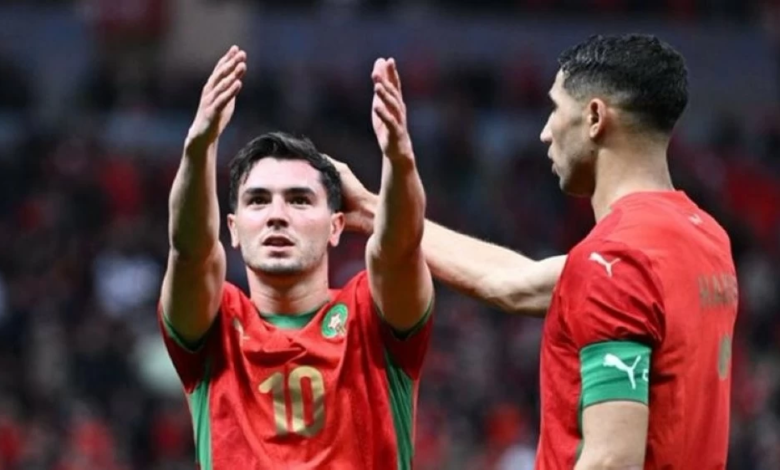
The Atlas Lions owe their victory to star player Ibrahim Diaz, who unlocked the Tanzanian defense. The decisive goal came in the 64th minute when Diaz received the ball just outside the penalty area, displayed brilliant skill, and dribbled past the defenders before unleashing a powerful shot that nestled into the net, sparking wild celebrations in the stands.
Bono... the safety valve
On the defensive side, Al-Hilal's goalkeeper, Yassine Bounou, continued to cement his status as one of the best goalkeepers in the continent and the world. Bounou started the match and delivered a heroic performance that directly contributed to keeping a clean sheet for Morocco. The towering goalkeeper thwarted several dangerous attempts by the Tanzanian attack on quick counter-attacks, giving his teammates the confidence to push forward.
Consolidating the legacy of the Qatar World Cup
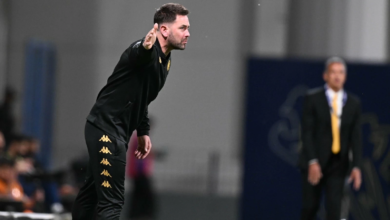
This qualification confirms the continued footballing boom experienced by Moroccan football, especially after their historic achievement at the 2022 World Cup in Qatar, where they finished fourth globally. Coach Walid Regragui's team, playing on home soil and in front of their fans, aims to solidify their continental dominance and translate their global success into African supremacy, amidst high expectations from Moroccan and Arab sporting communities.
The continental dream and the search for the second star
This victory holds great strategic importance for the Moroccan national team, which aspires to end long years of drought on continental podiums, as Morocco's only title dates back to 1976. Morocco's hosting of the 2025 edition is considered a golden and irreplaceable opportunity for a golden generation that includes an elite group of professional stars in the biggest European leagues, in order to win the second title and write a new history for Moroccan football, benefiting from the home advantage and the support of the fans, which constitute a strong motivation for the players in the upcoming knockout stages.