Russia: Opportunities for negotiations with Iran exist, and a warning against chaos

Amid escalating geopolitical tensions between the United States and Iran, Russia has entered the fray, attempting to de-escalate the situation. Moscow has asserted that the diplomatic path is not entirely closed. This stance was expressed by Kremlin spokesman Dmitry Peskov, who stated that the potential for fruitful negotiations on the Iranian issue "has not yet been exhausted," a direct response to the heated rhetoric exchanged between Washington and Tehran.
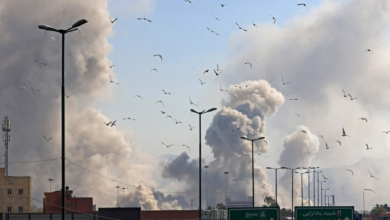
During his press conference, Peskov stressed the need for reason to prevail, calling on all parties involved to exercise maximum restraint and refrain from resorting to military action. The Russian spokesman explained that any use of force in this sensitive region of the world would only "create chaos," warning of extremely serious and grave consequences for both regional and international security and stability.
Escalation in rhetoric and mutual threats
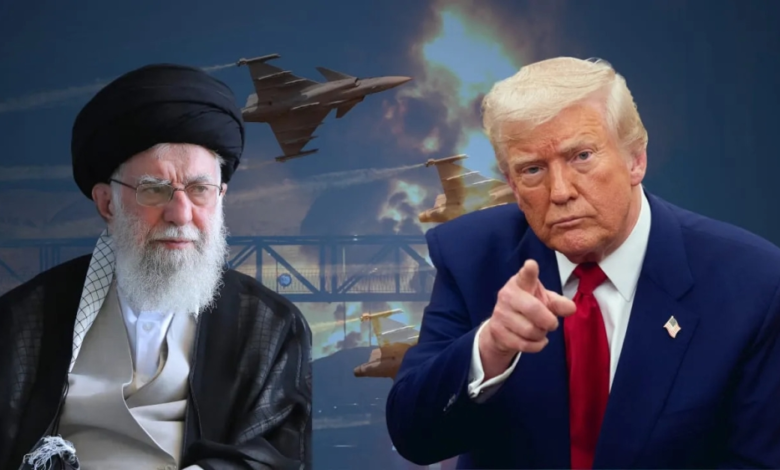
These Russian warnings come at a critical juncture in US-Iranian relations, following US President Donald Trump's warning that time is running out to avert a potential military strike. Trump asserted that the United States is "ready, willing, and able" to strike Iran if necessary, raising international concerns about the outbreak of open conflict.
In response, Tehran was quick to react, with Iranian Foreign Minister Abbas Araqchi declaring the Iranian armed forces fully prepared to deal with any scenario. Araqchi used firm language, stating that "our finger is on the trigger," emphasizing his country's readiness to respond immediately and forcefully to any aggression, whether from land, sea, or air—a clear indication that Tehran would not stand idly by in the face of American threats.
Regional context and the importance of the Russian position
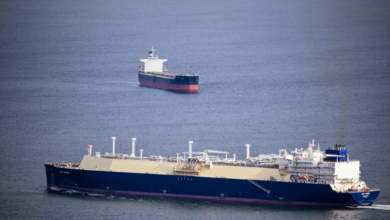
Russia's intervention at this time is of particular strategic importance, given Moscow's close ties with Tehran and Russia's role as a key player in the Middle East. The international community fears that any direct military confrontation could ignite the entire region, potentially threatening global energy supplies and driving oil prices to record highs, in addition to directly impacting shipping traffic through the strategic Strait of Hormuz.
Historically, Russia has played a pivotal role in previous nuclear negotiations, and it is currently striving to preserve remaining opportunities for dialogue to avoid a war scenario that could have unpredictable and catastrophic consequences. Observers note that the Kremlin's call for negotiations reflects the desire of major powers to exhaust all diplomatic avenues before reaching a point of no return, given the complexities of the political and military landscape in the region.