Russia describes Ukraine and Europe as the axis of war and rejects peacekeeping forces

In a new escalation of diplomatic tensions between Russia and the West, Moscow on Thursday described the government in Kyiv and the European countries supporting it as an “axis of war,” expressing its categorical rejection of any agreements aimed at deploying European peacekeeping forces inside Ukrainian territory, considering such steps to be a direct threat and a dangerous escalation of the ongoing conflict.
Moscow warns against a “coalition of the willing.”
This strong Russian stance was expressed by Foreign Ministry spokeswoman Maria Zakharova, who asserted that Western plans to deploy troops in Ukraine are “dangerous and destructive.” In a press statement, Zakharova said, “The new militaristic rhetoric of the so-called coalition of the willing, and of the regime in Kyiv, makes these parties the true center of war.” She indicated that Moscow would under no circumstances accept the presence of foreign forces under the guise of peacekeeping, considering it direct intervention in the conflict.
The context of the conflict and fears of internationalizing the crisis
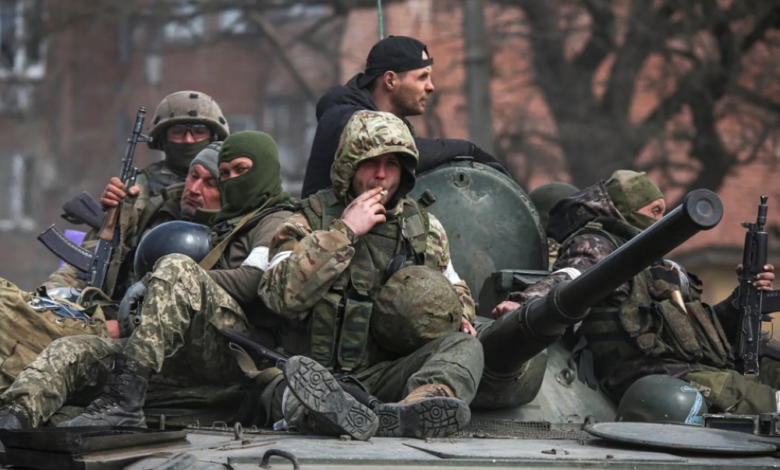
These statements come at a highly sensitive time in the Russian-Ukrainian war, which erupted in February 2022. Russia views recent European moves with suspicion, with the Kremlin considering the provision of advanced weaponry to Ukraine and discussions of sending ground troops as crossing the line from traditional support to actual participation in the war. Observers believe that the use of the term “axis of war” reflects Moscow’s desire to overturn the Western narrative and portray the Western alliance as a party seeking to prolong the conflict rather than resolve it diplomatically.
International political circles fear that the deployment of any European forces, even for peacekeeping purposes, could lead to a direct clash between NATO and Russian forces, potentially dragging the region and the world into a wider conflict with dire consequences.
Energy war and harsh winter
On the ground, and in parallel with the diplomatic escalation, fierce fighting continues, targeting vital infrastructure. Ukrainian officials have announced that more than a million families in the Dnipropetrovsk region of central Ukraine are now living in complete darkness and without water or heating, amid plummeting temperatures, following a series of Russian nighttime airstrikes .
The Ukrainian energy company Ukrenergo reported that Russian drones precisely targeted energy infrastructure in the southern regions of Dnipropetrovsk and Zaporizhzhia, causing extensive damage and widespread power outages.
The humanitarian consequences of continued targeting
Targeting power grids is a Russian strategy aimed at pressuring the Ukrainian leadership and undermining morale by depriving civilians of essential services during the harsh winter. Ukrainian emergency teams face immense challenges repairing damaged networks under constant shelling, exacerbating the humanitarian crisis and adding to the suffering of millions who face a winter without heating or water, thus adding another tragic dimension to this ongoing conflict.