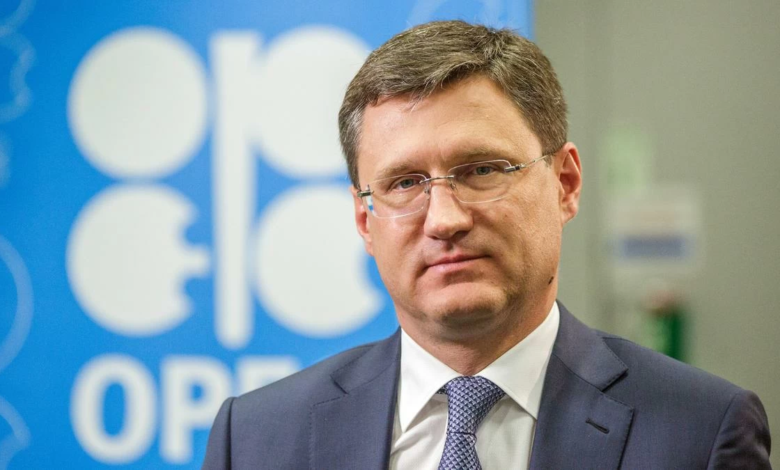

في خطوة تهدف إلى طمأنة أسواق الطاقة العالمية، أكدت روسيا على أعلى المستويات التزامها الراسخ بتحالف «أوبك بلس»، نافيةً أي تكهنات حول نيتها الانسحاب من الاتفاقية التي تلعب دوراً محورياً في تحقيق الاستقرار في أسعار النفط. وجاء هذا التأكيد عبر تصريحات متزامنة من نائب رئيس الوزراء الروسي ألكسندر نوفاك، والناطق باسم الكرملين دميتري بيسكوف.
نقلت وكالات الأنباء عن نوفاك، الذي يُعتبر مهندس السياسة النفطية الروسية، قوله إن تحالف «أوبك بلس» مستمر في عمله بفعالية. وأوضح في تصريح لوكالة «إنترفاكس» الروسية أن السوق حالياً تواجه تحديات كبيرة، قائلاً: «لا تصل كميات كبيرة من النفط إلى السوق اليوم، في وقت يفوق فيه الطلب العرض بكثير، وأدى ذلك إلى خلل في التوازن بسبب الاضطرابات اللوجستية الخطيرة، بما في ذلك الوضع في الشرق الأوسط». وتشير تصريحاته إلى إدراك روسي عميق لأهمية التنسيق المشترك لمواجهة التقلبات الحالية وضمان إمدادات مستقرة.
خلفية تأسيس تحالف «أوبك بلس»
يعود تأسيس تحالف «أوبك بلس» إلى أواخر عام 2016، كرد فعل على انهيار أسعار النفط الذي بدأ في عام 2014. يضم التحالف الدول الأعضاء في منظمة البلدان المصدرة للبترول (أوبك) البالغ عددها 13 دولة، بقيادة المملكة العربية السعودية، بالإضافة إلى 10 دول منتجة للنفط من خارج المنظمة، تقودهم روسيا. كان الهدف الأساسي من هذا التكتل هو إعادة التوازن إلى أسواق النفط العالمية عبر تنسيق سياسات الإنتاج وإدارة الإمدادات بشكل جماعي، وهو ما أثبت نجاحه في مواجهة العديد من الأزمات، بما في ذلك تداعيات جائحة كوفيد-19 على الطلب العالمي.
أهمية استمرار روسيا في التحالف
تُعتبر مشاركة روسيا، ثاني أكبر منتج للنفط في العالم، حجر الزاوية في نجاح اتفاقيات «أوبك بلس». وأي انسحاب محتمل لموسكو من شأنه أن يقوض قدرة التحالف على التأثير في الأسواق، وقد يؤدي إلى حرب أسعار مدمرة كتلك التي شهدتها الأسواق لفترة وجيزة في مارس 2020. لذلك، جاءت تصريحات الكرملين لتضع حداً لهذه التكهنات.
وقال المتحدث باسم الكرملين، دميتري بيسكوف، للصحفيين: «إن روسيا لا تدرس في الوقت الراهن الانسحاب من أوبك بلس»، مؤكداً حرص موسكو على الحفاظ على صيغة التحالف. وشدد بيسكوف على أن الاتفاقيات القائمة ضمن «أوبك بلس» أثبتت فعاليتها في تهدئة أسواق النفط العالمية، مضيفاً أن استمرار هذا الإطار يظل عاملاً أساسياً لتحقيق التوازن والاستقرار المنشود.
التأثير المحلي والدولي للقرار
على الصعيد الدولي، تبعث هذه التأكيدات الروسية رسالة استقرار قوية للمستثمرين وأسواق الطاقة، وتساهم في الحد من التقلبات الحادة في الأسعار التي تؤثر سلباً على الاقتصاد العالمي. كما أنها تعزز المحور الاستراتيجي بين الرياض وموسكو في مجال الطاقة، والذي أصبح لاعباً رئيسياً في رسم ملامح السياسة الطاقوية العالمية. أما على الصعيد المحلي، فإن استقرار أسعار النفط يُعد أمراً حيوياً للاقتصاد الروسي، حيث تشكل عائدات الطاقة جزءاً كبيراً من ميزانية الدولة، خاصة في ظل العقوبات الغربية المفروضة عليها. وبالتالي، فإن الالتزام بالتحالف يخدم المصالح الاقتصادية والجيوسياسية لروسيا على المدى الطويل.