
رفض الكرملين بشكل قاطع، يوم الاثنين، النتائج التي توصل إليها تحقيق مشترك أجرته خمس دول أوروبية، والذي خلص إلى أن المعارض الروسي البارز أليكسي نافالني قد قضى نحبه نتيجة تعرضه لمادة سامة نادرة أثناء احتجازه في سجن بسيبيريا قبل عامين. وقد وصفت موسكو هذه الاتهامات بأنها "لا أساس لها من الصحة"، في تصعيد جديد للتوتر الدبلوماسي بين روسيا والغرب.
الكرملين يشكك في مصداقية التحقيق الأوروبي
في تعليقه على التقرير الذي أصدرته كل من بريطانيا، فرنسا، ألمانيا، السويد، وهولندا، صرح المتحدث باسم الكرملين، ديمتري بيسكوف، خلال مؤتمره الصحفي اليومي قائلاً: "لا نقبل مثل هذه الاتهامات. نحن نختلف معها جملة وتفصيلاً، ونعتبر أنها منحازة ولا تستند إلى أي حقائق ملموسة". ويأتي هذا الرفض الروسي رداً على البيانات التي نشرتها الدول الخمس يوم السبت، والتي استندت إلى تحقيقات وتحليلات استخباراتية وطبية زعمت أن وفاة نافالني لم كانت مدبرة.
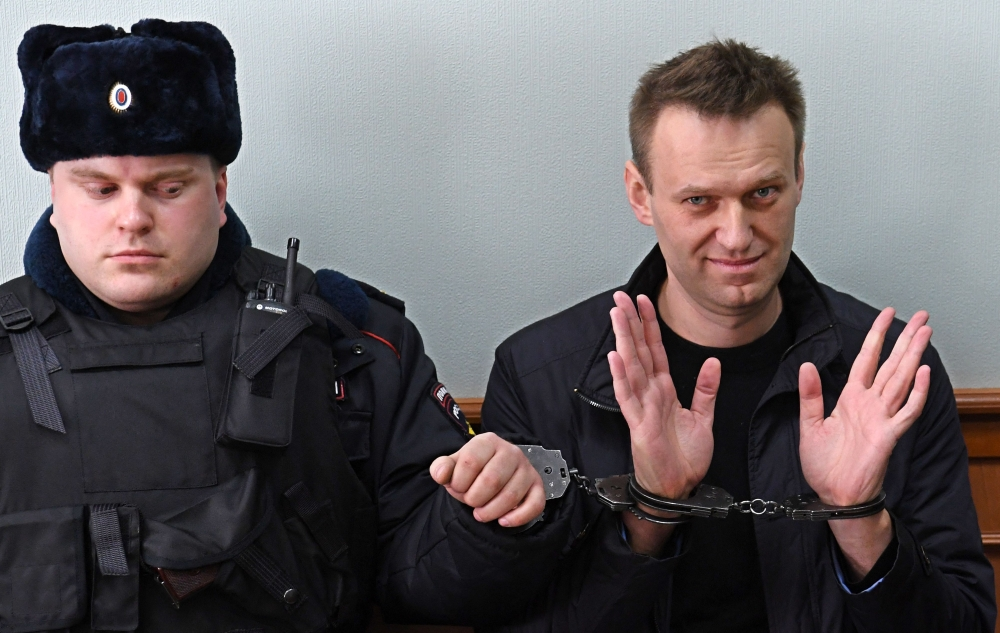
خلفية الحدث: رحلة نافالني والمعارضة الشرسة
توفي أليكسي نافالني، الذي عُرف بكونه أشرس منتقدي الرئيس الروسي فلاديمير بوتين وسياسات الكرملين، داخل سجنه في الدائرة القطبية الشمالية في 16 فبراير 2024 عن عمر ناهز 47 عاماً. وكان نافالني يقضي حكماً طويلاً بالسجن بتهم اعتبرها هو وأنصاره ذات دوافع سياسية تهدف إلى إسكات صوته المناهض للفساد.
وتعيد هذه الاتهامات الجديدة إلى الأذهان حادثة تسميم نافالني السابقة في عام 2020 بمادة "نوفيتشوك"، وهي غاز أعصاب تم تطويره في الحقبة السوفيتية. حينها، نُقل نافالني للعلاج في ألمانيا في حالة غيبوبة، قبل أن يقرر العودة إلى روسيا في أوائل عام 2021، حيث تم اعتقاله فور وصوله إلى المطار، في خطوة أثارت تنديداً دولياً واسعاً.
مطالبات عائلية بتحقيق العدالة
تزامنت التصريحات الروسية مع إحياء الذكرى الثانية لوفاة نافالني، حيث زارت والدته، ليودميلا نافالنيا، ضريح ابنها في مقبرة بوريسوفسكوي بموسكو. وفي تصريح مؤثر، قالت ليودميلا: "تؤكّد هذه الخلاصة الأوروبية ما كنا نعرفه منذ البداية. كنا نعرف أن ابني لم يمت بكل بساطة في السجن، بل تعرض للاغتيال". وطالبت والدة المعارض الراحل المجتمع الدولي بمواصلة الضغط لتحقيق "العدالة" وكشف كافة ملابسات الوفاة.
تداعيات سياسية ودولية
من المتوقع أن يؤدي هذا التقرير الأوروبي والرفض الروسي له إلى تعميق الفجوة بين موسكو والعواصم الغربية. لطالما كانت قضية نافالني نقطة خلاف جوهرية في العلاقات الروسية الأوروبية، حيث فرضت دول الاتحاد الأوروبي والولايات المتحدة سابقاً عقوبات على مسؤولين روس على خلفية سجنه وتسميمه الأول. ويشير المراقبون إلى أن إثارة قضية "المادة السامة النادرة" مجدداً قد تفتح الباب أمام موجة جديدة من الإجراءات الدبلوماسية المتبادلة، مما يزيد من تعقيد المشهد الجيوسياسي المتوتر أصلاً بسبب الحرب في أوكرانيا والتحالفات الاستراتيجية المتغيرة في المنطقة.