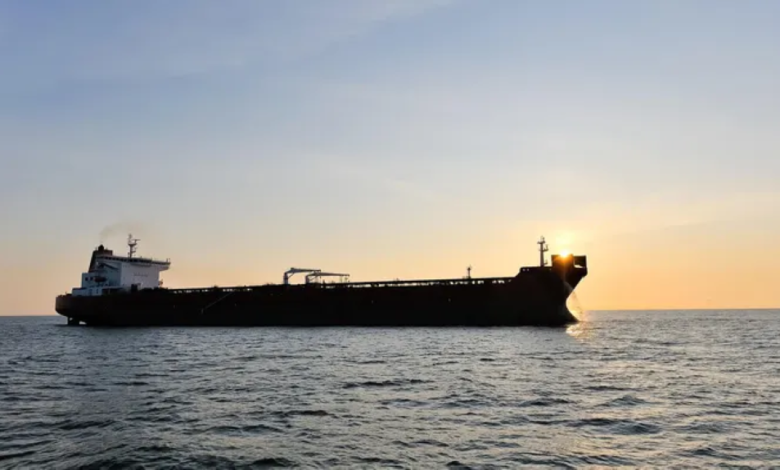

In a striking development reflecting the escalating geopolitical tension between the superpowers, US press reports indicate that Russia has sent a submarine and naval vessels to escort an oil tanker that was being pursued by the United States, in an attempt to prevent Washington from seizing it.
Details of the naval chase
According to the Wall Street Journal, citing US officials, the Russian move was intended to protect the tanker, formerly known as the Bella 1. Navigation data from MarineTraffic showed the vessel approaching Iceland's exclusive economic zone at the time of the incident. This comes after the tanker successfully evaded a partial maritime blockade imposed by Washington, as the US Coast Guard was unable to intercept it earlier last month.
What is the "Shadow Fleet"?
To understand the context of this event, it's necessary to refer to what is known globally as the "shadow fleet ." US officials indicate that this vessel is part of a vast network of older tankers, often operating under opaque ownership, used to transport oil from countries under stringent US sanctions, such as Venezuela, Iran, and Russia. This fleet aims to circumvent Western restrictions and ensure the continued flow of energy revenues to these nations.
Dimensions of the conflict and the impact of sanctions
This pursuit is part of a broader campaign by the US administration to track and seize oil shipments that violate sanctions, particularly those related to Venezuela . Washington considers cutting off this oil supply a key means of exerting pressure on regimes that oppose its policies. Moscow, on the other hand, views these actions as an infringement on international freedom of navigation. The Russian Foreign Ministry stated that it is "following with concern" the US pursuit, confirming to local media that the ship is flying the Russian flag and sailing in international waters far from US shores.
Potential repercussions
This incident carries serious implications that extend far beyond the mere pursuit of an oil tanker; it demonstrates Russia's willingness to use its naval military assets, including submarines, to directly protect its commercial and economic interests. This blurring of lines between military operations and maritime trade raises the risk of direct clashes between US and Russian forces on the high seas, potentially leading to regional and international tensions that could impact global energy security and maritime navigation.