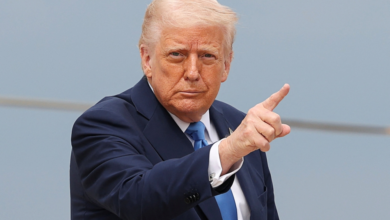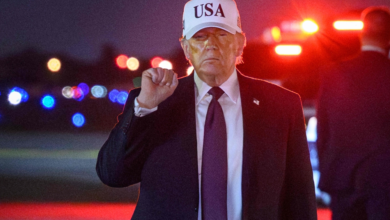

In a significant geopolitical development, the first round of open and direct negotiations between delegations from Russia and Ukraine, with official participation from the United States, commenced in the UAE capital, Abu Dhabi. These talks, described as "historic," represent the first concrete step bringing the warring parties together at the same table publicly to discuss the peace plan being promoted by US President Donald Trump to end the nearly four-year-long conflict.
This round of talks is scheduled to last two days, as mediators seek to break the political deadlock and find common ground for a ceasefire. These negotiations are particularly significant given Washington's direct involvement, reflecting a fundamental shift in the international approach to the crisis and a serious attempt to move from the battlefield to the diplomatic track.
The Donbas obstacle and Russian demands
Ahead of the closed-door sessions, Moscow reiterated its firm stance, emphasizing that it would not relinquish its main demand: the withdrawal of Ukrainian forces from the eastern Donbas region and recognition of the new geographical reality. This issue constitutes the most significant obstacle for the negotiators, as Russia considers these areas an integral part of its national security.
In contrast, Ukrainian President Volodymyr Zelensky stated that the issue of the territories claimed by Russia remains the central point, indicating that it will be the first and most difficult item on the agenda for the talks. Zelensky emphasized that any agreement must guarantee Ukraine's security and sovereignty, expressing hope that the American guarantees proposed within the Trump plan will help resolve the situation.
The context of the conflict and its global effects
The roots of this conflict trace back to February 2022, when military operations erupted, leading to radical changes in the world's political and economic landscape. Over the past four years, the war has caused immense human and material losses for both sides, as well as a widespread displacement and refugee crisis in Europe. Several previous attempts at de-escalation have failed, making these direct negotiations in Abu Dhabi a potential turning point in the crisis.
Internationally, the world is watching the outcome of these negotiations with both caution and hope, given the profound impact of the war on the global economy, supply chains, and energy and food markets. The UAE's hosting of these talks is seen as evidence of its growing role as a credible international mediator capable of bringing together conflicting parties, while President Trump's plan represents a true test of the new US administration's ability to impose its vision for global peace and stability.