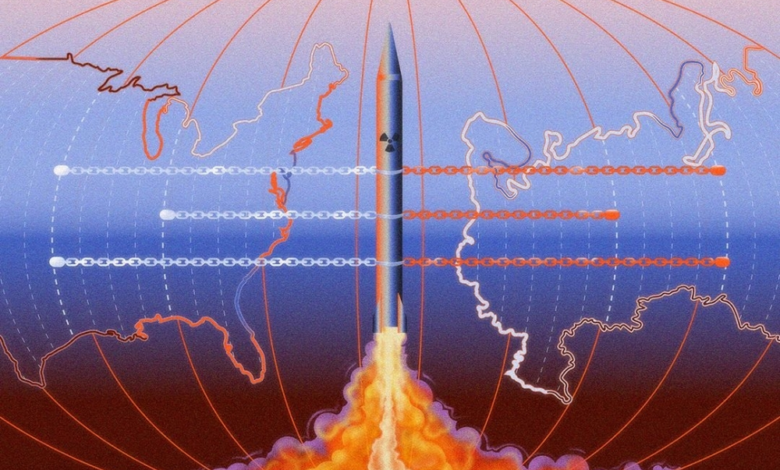

في تطور جديد يعكس تعقيدات المشهد الأمني العالمي، أعلنت روسيا يوم الأربعاء أنها ستواصل الالتزام بالقيود المفروضة على أسلحتها النووية بموجب معاهدة "نيو ستارت"، وذلك رغم انتهاء العمل بها فعلياً، مشترطة لذلك أن تلتزم الولايات المتحدة الأمريكية بنفس المعايير والقيود. ويأتي هذا الإعلان كرسالة طمأنة مشروطة وسط مخاوف دولية من سباق تسلح جديد.
وأوضح وزير الخارجية الروسي، سيرغي لافروف، تفاصيل الموقف الروسي مشيراً إلى أن "الوقف الاختياري" الذي فرضته موسكو على نفسها بشأن عدم زيادة حجم ترسانتها النووية لا يزال ساري المفعول. وأكد لافروف أن هذا الالتزام الذاتي سيستمر "ما لم تتجاوز الولايات المتحدة الحدود المنصوص عليها" في الاتفاقيات السابقة، مما يضع الكرة في ملعب واشنطن للحفاظ على الاستقرار الاستراتيجي.
الناتو يحذر ويدعو للمسؤولية
على الجانب الآخر، وفي رد فعل سريع، دعا حلف شمال الأطلسي (الناتو) إلى ضرورة ضبط النفس والتحلي بالمسؤولية القصوى. وصرح مسؤول في الحلف بأن انتهاء صلاحية العمل بآليات معاهدة "نيو ستارت"، التي تعد آخر معاهدة ثنائية رئيسية لنزع السلاح النووي بين أكبر قوتين نوويتين في العالم، يستدعي حذراً شديداً. ونقلت وكالة فرانس برس عن المسؤول قوله إن "ضبط النفس وتحمل المسؤولية في المجال النووي أمران أساسيان للأمن العالمي"، محذراً من العواقب الوخيمة لأي تصعيد غير محسوب.
خلفية تاريخية: ما هي معاهدة نيو ستارت؟
لفهم أبعاد هذا الحدث، يجب العودة إلى أصل معاهدة "نيو ستارت" (New START)، التي وُقعت في العاصمة التشيكية براغ عام 2010 بين الرئيسين آنذاك باراك أوباما وديمتري ميدفيديف، ودخلت حيز التنفيذ في عام 2011. هدفت المعاهدة بشكل رئيسي إلى وضع سقف لعدد الرؤوس الحربية النووية الاستراتيجية المنشورة عند 1550 رأساً لكل من روسيا والولايات المتحدة، وهو ما يمثل خفضاً كبيراً مقارنة بالمعاهدات السابقة إبان الحرب الباردة. كما تضمنت المعاهدة آليات للتحقق والتفتيش المتبادل لضمان الالتزام، مما جعلها حجر الزاوية في هيكل الأمن الدولي طوال العقد الماضي.
تداعيات الموقف وتأثيره على الأمن الدولي
يكتسب هذا السجال الروسي الأمريكي أهمية استثنائية في ظل التوترات الجيوسياسية الراهنة، لا سيما مع استمرار الحرب في أوكرانيا وتدهور العلاقات بين موسكو والغرب إلى أدنى مستوياتها. يرى مراقبون أن انهيار آخر أطر الرقابة على التسلح النووي قد يفتح الباب أمام سباق تسلح نووي جديد وغير مقيد، مما يهدد الأمن والسلم الدوليين. إن ربط موسكو التزامها بسلوك واشنطن يشير إلى أن قنوات الدبلوماسية النووية لم تنقطع تماماً، لكنها أصبحت هشة للغاية ومعلقة بخيط رفيع من الثقة المتبادلة المفقودة تقريباً، مما يجعل العالم يترقب بحذر الخطوات القادمة من كلا العاصمتين.