
Russian warnings of an impending shock in oil prices
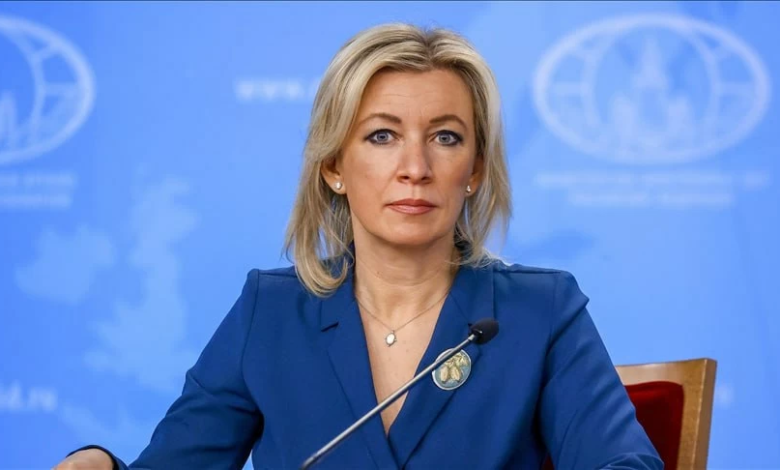
The Russian Foreign Ministry issued strong warnings about the future of global energy markets. Spokeswoman Maria Zakharova stated that the ongoing and escalating conflict in the Middle East poses a direct threat to market stability. She emphasized that this tension could push oil prices above $100 per barrel in the near term, with the potential to reach record levels of $200 per barrel by the end of 2026 if the situation worsens.
Supply reduction scenarios and their impact on markets
During a press conference, Zakharova reviewed economic experts' forecasts based on supply disruption scenarios. She explained that if oil supplies were to decrease for 30 days, the price could stabilize at $76 per barrel by the end of the year. However, if the supply disruptions continued for two months, the price could jump to $93 per barrel. She warned that the worst-case scenario, in which the conflict continues and expands, could lead to further sharp increases exceeding $150, and perhaps even reaching $200 per barrel.
Historical context and the importance of the Middle East in the energy equation
Historically, the Middle East has been the lifeblood of global energy supplies. Any geopolitical tension in this vital region evokes memories of major oil crises, such as the 1973 oil embargo, which triggered global inflationary shocks. The Russian statements carry particular weight given that the Middle East holds the world's largest proven oil reserves, and any threat to its infrastructure or shipping lanes would mean immediate disruption to global supply chains.
Iran's role and the Strait of Hormuz: a global chokepoint
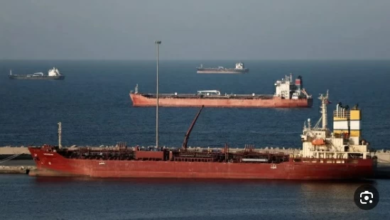
Zakharova emphasized in her remarks that the ongoing conflict surrounding Iran directly threatens global energy security. These concerns are based on established geographical and economic realities; Iran overlooks the strategic Strait of Hormuz, through which approximately one-fifth of the world's daily oil consumption passes. Any military escalation involving Iranian territory or adjacent territorial waters could lead to the closure or disruption of navigation in this strait, creating a massive oil supply shortfall that cannot be easily compensated for by other producers.
Expected impacts: locally, regionally, and internationally
Oil prices reaching levels between $150 and $200 per barrel would have disastrous and multifaceted repercussions. Internationally , it would trigger an unprecedented wave of inflation affecting both major and emerging economies, forcing central banks to maintain high interest rates and potentially plunging the global economy into a deep recession. Regionally , oil-exporting countries might experience a temporary increase in revenue, but they would face long-term security and economic challenges due to declining global demand. Domestically, for consumers , higher energy costs would immediately translate into higher prices for fuel, transportation, and basic goods, further burdening citizens and reducing their purchasing power.
In conclusion, these Russian warnings confirm that the global economy remains highly sensitive to geopolitical tensions in the Middle East, and that finding diplomatic solutions to current conflicts is not just a political necessity, but the only lifeline to avoid a global energy crisis that could reshape the economic map of the entire world.