
تفاصيل الهجوم الروسي المكثف على العاصمة الأوكرانية كييف
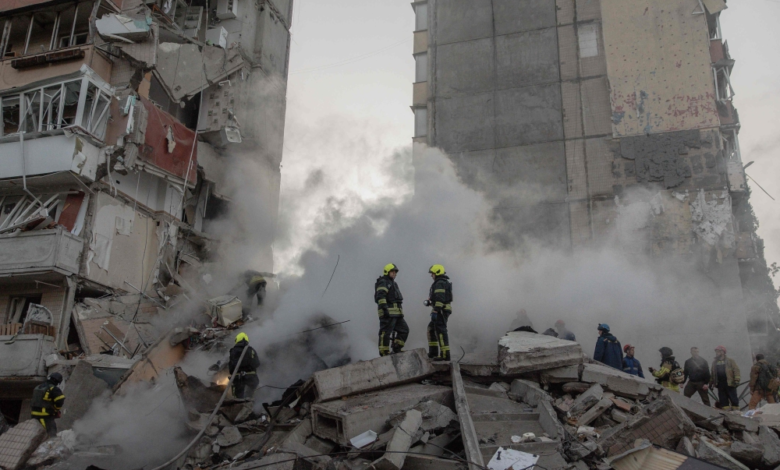
شهدت العاصمة الأوكرانية كييف ليل الأربعاء والخميس تصعيداً عسكرياً خطيراً، حيث قُتل 10 أشخاص على الأقل وأصيب 45 آخرون بجروح متفاوتة إثر هجوم روسي مكثف. واستخدمت القوات الروسية في هذا الهجوم أسراباً من الطائرات المسيّرة الانتحارية والصواريخ، مما أسفر عن دمار واسع في المناطق السكنية. ويأتي هذا التصعيد ليضيف تعقيداً جديداً ويشكل إحباطاً كبيراً للآمال الدولية والمحلية المتعلقة بالتوصل إلى تسوية سلمية للنزاع الدموي المستمر منذ أكثر من أربع سنوات.
تصريحات رسمية وعمليات بحث وإنقاذ مستمرة
وفي سياق ردود الفعل الرسمية، أكد الرئيس الأوكراني فولوديمير زيلينسكي فداحة الحدث، مشيراً في تصريحاته إلى أن “ما نعرفه إلى الآن هو أن ما مجموعه عشرة أشخاص قُتلوا في كييف بسبب الهجوم الروسي المكثّف”. وأوضح زيلينسكي أن فرق الدفاع المدني تواصل أعمال البحث والإنقاذ على مدار الساعة، سعياً للعثور على ناجين محتملين تحت أنقاض مبنى سكني مؤلف من تسعة طوابق تعرض لدمار كبير جراء القصف. من جانبه، أعلن رئيس بلدية كييف، فيتالي كليتشكو، يوم الجمعة يوم حداد رسمي في العاصمة التي تُعد الأكثر تضرراً جراء هذه الموجة العنيفة من الهجمات.
إحصائيات الهجوم وتصدي سلاح الجو الأوكراني
وكشف سلاح الجو الأوكراني عن أرقام تعكس حجم الهجوم غير المسبوق، مبيناً أن روسيا أطلقت ما يقارب 675 طائرة مسيّرة و56 صاروخاً في واحدة من أكبر موجات الهجمات الجوية التي تشهدها البلاد في الأسابيع الأخيرة. ورغم كثافة النيران، أظهرت الدفاعات الجوية الأوكرانية قدرة عالية على التصدي، حيث تمكنت من إسقاط 652 طائرة مسيّرة و41 صاروخاً، مما قلل من حجم الكارثة المحتملة التي كانت تستهدف البنية التحتية والمناطق المكتظة بالسكان.
السياق التاريخي للنزاع الروسي الأوكراني
لفهم أبعاد هذا الهجوم، يجب النظر إلى السياق العام والخلفية التاريخية للنزاع. منذ اندلاع الحرب الروسية الأوكرانية الشاملة في أواخر فبراير 2022، أصبحت العاصمة كييف هدفاً استراتيجياً متكرراً للغارات الجوية الروسية. وتعتمد موسكو استراتيجية استنزاف مستمرة من خلال استهداف البنى التحتية الحيوية، مثل محطات الطاقة وشبكات المياه، بهدف الضغط على الحكومة الأوكرانية وإضعاف الروح المعنوية للمدنيين. هذه التكتيكات العسكرية تعكس تحولاً في طبيعة الحروب الحديثة حيث تلعب الطائرات المسيرة دوراً محورياً في الهجمات بعيدة المدى.
التأثير المتوقع للهجوم محلياً ودولياً
يحمل هذا الحدث أهمية وتأثيراً بالغاً على عدة مستويات. محلياً، يزيد الهجوم من معاناة المدنيين ويضاعف من الأعباء الملقاة على عاتق الحكومة الأوكرانية لإعادة إعمار ما تم تدميره وتوفير المأوى للنازحين الجدد. إقليمياً ودولياً، يرسل هذا التصعيد رسالة واضحة بأن مسار الحسم العسكري لا يزال يطغى على الحلول الدبلوماسية. كما أنه يضع حلفاء أوكرانيا الغربيين، وفي مقدمتهم الولايات المتحدة ودول الاتحاد الأوروبي، تحت ضغط متزايد لتسريع وتيرة تزويد كييف بأنظمة دفاع جوي متطورة، لضمان حماية الأجواء الأوكرانية من الهجمات المستقبلية. إن استمرار هذه الضربات يهدد الاستقرار في شرق أوروبا وينذر بإطالة أمد الحرب وتداعياتها الاقتصادية والسياسية على مستوى العالم.