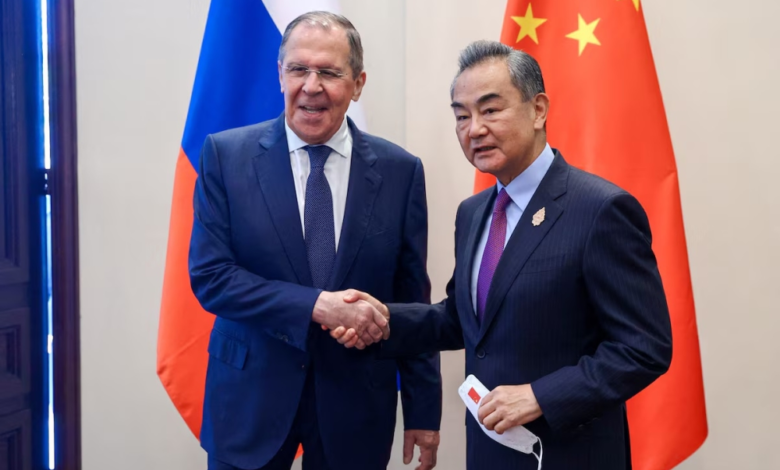

في ظل التوترات المتصاعدة التي تشهدها منطقة الشرق الأوسط، تبرز الجهود الدبلوماسية الدولية الساعية لاحتواء الأزمة ومنع انزلاق المنطقة نحو حرب إقليمية شاملة. وفي هذا السياق، أجرى وزير الخارجية الروسي سيرغي لافروف اتصالاً هاتفياً هاماً مع نظيره الصيني وانغ يي، تركز بشكل أساسي على بحث سبل تعزيز التعاون الاستراتيجي بين البلدين في المحافل الدولية، ومناقشة القضايا الراهنة وعلى رأسها أزمة الشرق الأوسط.
واستعرض الوزيران خلال الاتصال الهاتفي مستجدات الأوضاع الميدانية والسياسية في الشرق الأوسط، حيث بحثا بشكل مكثف الجهود الدولية الرامية إلى إنهاء المواجهات العسكرية بشكل عاجل. وأكد الجانبان على ضرورة الشروع الفوري في حوار سياسي ودبلوماسي شامل لضمان استقرار المنطقة، بعيداً عن لغة التصعيد والتدخلات العسكرية التي أثبتت فشلها في تحقيق الأمن المستدام.
السياق العام والخلفية التاريخية للحدث
تأتي هذه المباحثات الروسية الصينية في وقت حرج يمر به الشرق الأوسط، حيث تتزايد حدة الصراعات المسلحة وتتسع رقعة التوترات لتشمل عدة جبهات. تاريخياً، تمتلك كل من موسكو وبكين علاقات استراتيجية واقتصادية قوية مع مختلف الأطراف الفاعلة في المنطقة. وقد شهدت السنوات الأخيرة تقارباً ملحوظاً بين روسيا والصين، توج بإعلان الشراكة الاستراتيجية الشاملة، حيث يسعى البلدان إلى تعزيز نظام عالمي متعدد الأقطاب يحد من الهيمنة الغربية، خاصة في مناطق النزاع. وتلعب الدولتان دوراً محورياً كعضوين دائمين في مجلس الأمن الدولي، مما يمنحهما حق النقض (الفيتو) وقدرة كبيرة على توجيه القرارات الأممية المتعلقة بالصراعات الدولية وتشكيل مسار الأحداث.
أهمية الحدث وتأثيره المتوقع إقليمياً ودولياً
على الصعيد الإقليمي، يحمل هذا التنسيق الروسي الصيني أهمية كبرى، إذ يبعث برسالة طمأنة لدول المنطقة مفادها أن هناك قوى دولية كبرى تسعى لخلق توازن دبلوماسي يحد من التصعيد. من المتوقع أن يساهم هذا التنسيق في فتح قنوات اتصال جديدة بين الأطراف المتنازعة، خاصة وأن بكين نجحت سابقاً في رعاية اتفاقيات دبلوماسية تاريخية في المنطقة، بينما تحتفظ موسكو بعلاقات وثيقة مع أطراف رئيسية فاعلة في المشهد الإقليمي.
أما على الصعيد الدولي، فإن تأكيد وزير الخارجية الصيني وانغ يي على استعداد بكين الكامل لمواصلة التنسيق مع موسكو داخل أروقة مجلس الأمن الدولي، يعكس توحيداً للجهود بشأن القضايا الحيوية. هذا التحالف الدبلوماسي من شأنه أن يؤثر بشكل مباشر على أسواق الطاقة العالمية، حيث أن أي استقرار في الشرق الأوسط ينعكس إيجاباً على أسعار النفط وحركة الملاحة العالمية التي تضررت مؤخراً. كما أن الحفاظ على السلام والاستقرار الإقليميين يعد ركيزة أساسية لتعزيز الأمن العالمي، وهو ما تضعه كل من روسيا والصين على رأس أولوياتهما في المرحلة الراهنة لتجنب تداعيات اقتصادية وأمنية قد تطال العالم بأسره.