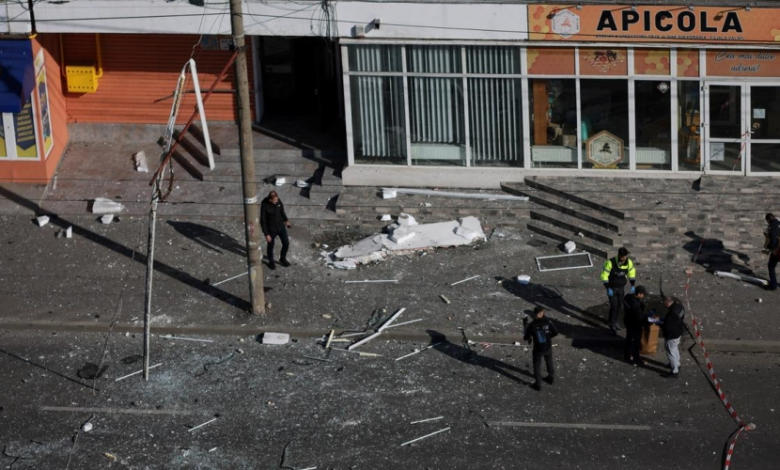

في تصعيد خطير على الجبهة الشرقية لحلف شمال الأطلسي (الناتو)، شهدت مدينة غالاتي الرومانية حادثة سقوط طائرة مسيرة، يُعتقد أنها روسية الصنع، على مبنى سكني، مما أثار أزمة دبلوماسية حادة بين بوخارست وموسكو، ووضع دفاعات الحلف في حالة تأهب. الحادثة، التي وقعت بالقرب من الحدود مع أوكرانيا، لم تكن مجرد خرق للمجال الجوي لدولة عضو في الناتو، بل اعتبرتها رومانيا “تصعيدًا خطيرًا وغير مسؤول” من جانب روسيا.
خلفية التوتر: هجمات روسية قرب حدود الناتو
تأتي هذه الحادثة في سياق الحرب الروسية الأوكرانية المستمرة منذ فبراير 2022، والتي شهدت تكثيفًا للهجمات الروسية باستخدام الطائرات المسيرة والصواريخ على البنية التحتية الأوكرانية. وتركزت العديد من هذه الهجمات على موانئ أوكرانيا النهرية على نهر الدانوب، مثل مينائي إسماعيل وريني، اللذين يقعان على بعد أمتار قليلة من الأراضي الرومانية. هذه الموانئ أصبحت شريانًا حيويًا لصادرات الحبوب الأوكرانية بعد تعثر اتفاق البحر الأسود، مما جعلها هدفًا استراتيجيًا لموسكو. ونتيجة لهذه الهجمات المتكررة والقريبة جدًا من الحدود، تكررت حوادث سقوط حطام طائرات مسيرة روسية داخل الأراضي الرومانية في السابق، مما أثار قلقًا متزايدًا لدى حلف الناتو.
تفاصيل الحادث ورد الفعل الروماني الفوري
وفقًا لوزارة الدفاع الرومانية، اخترقت الطائرة المسيرة المجال الجوي للبلاد خلال موجة من الهجمات الروسية على أهداف في أوكرانيا ليلة 28-29 مايو. تم رصد المسيرة بواسطة أنظمة الرادار قبل أن تسقط على سطح مبنى سكني في مدينة غالاتي، مما تسبب في اندلاع حريق وإصابة شخصين، فتى يبلغ من العمر 14 عامًا وامرأة تبلغ 53 عامًا، تم نقلهما إلى المستشفى لتلقي العلاج. وعلى الفور، أدانت وزارة الخارجية الرومانية الحادث بشدة، واستدعت السفير الروسي في بوخارست للتعبير عن احتجاجها. وفي خطوة تصعيدية، أعلن الرئيس الروماني نيكوسور دان طرد القنصل العام الروسي في مدينة كونستانتسا الساحلية وإغلاق القنصلية، واصفًا الحادث بأنه انتهاك صارخ لسيادة رومانيا.
غموض الموقف الروسي وتأكيد الأدلة
من جانبها، اتسم الموقف الروسي بالغموض والتشكيك. حيث صرح الرئيس فلاديمير بوتين بأنه لا يمكن الجزم بمصدر الطائرة قبل إجراء فحص دقيق لحطامها، مطالبًا بتقديم “بيانات موضوعية” لإثبات تورط روسيا. وأضاف أن بلاده لم ولن تهدد الدول الأوروبية، معتبرًا أن هذه الاتهامات تهدف إلى تبرير زيادة الإنفاق العسكري الغربي. في المقابل، حسم وزير الدفاع الروماني، رادو-دينيل ميروتا، الجدل بتأكيده أن “الأرقام التسلسلية التي تحملها مكونات الصاروخ تبين أنه روسي بلا شك”. هذا التباين في الروايات يعكس حرب المعلومات الموازية للصراع العسكري، حيث تسعى كل جهة لفرض روايتها على الساحة الدولية.
الأهمية والتأثيرات المحتملة
تكمن خطورة هذه الحادثة في أنها وقعت داخل أراضي دولة عضو في حلف الناتو، مما يثير تساؤلات حول تفعيل المادة الخامسة من ميثاق الحلف، والتي تعتبر الهجوم على أي دولة عضو هجومًا على جميع الأعضاء. ورغم أن الحلفاء تعاملوا مع الحوادث السابقة على أنها غير مقصودة، إلا أن تكرارها يزيد من ضغوط ضرورة تعزيز الدفاعات الجوية على الجناح الشرقي للحلف. على الصعيد الإقليمي، يزيد الحادث من منسوب التوتر في منطقة البحر الأسود، ويهدد بتوسيع رقعة الصراع. أما دوليًا، فقد أثار الحادث إدانات واسعة من الاتحاد الأوروبي والولايات المتحدة، اللذين حمّلا روسيا المسؤولية الكاملة، محذرين من عواقب تكرار مثل هذه “التوغلات غير المسؤولة”.