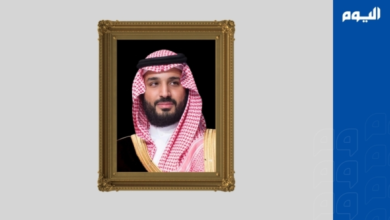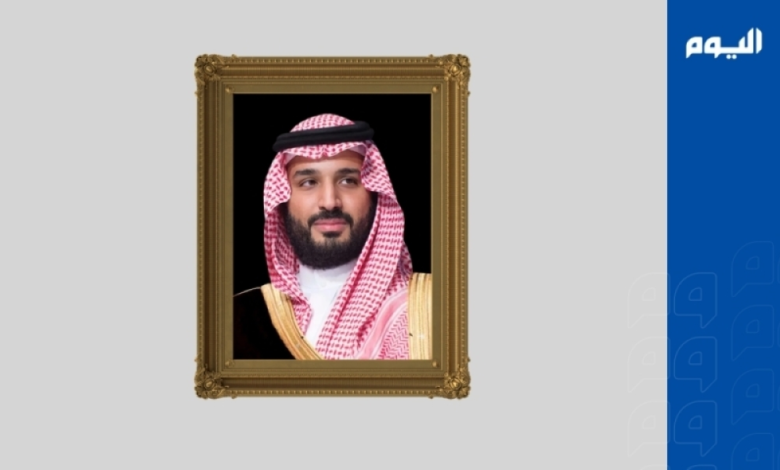

His Royal Highness Prince Mohammed bin Salman bin Abdulaziz Al Saud, Crown Prince and Prime Minister, received a telephone call today, Monday, from His Excellency President Vladimir Putin, President of the Russian Federation, within the framework of ongoing consultations between the leaderships of the two countries to enhance regional and international stability.
Details of the talks and developments in the region
During the call, the two leaders discussed the rapidly evolving situation in the region, focusing on the extremely dangerous military escalation currently unfolding. His Royal Highness the Crown Prince and the Russian President reviewed the potential repercussions of this escalation and its direct impact on regional and international security, emphasizing the need for joint efforts to prevent further tensions that could lead to instability in the region.
Discussion of Iranian attacks
In a related context, the call addressed the issue of Iranian attacks targeting the Kingdom of Saudi Arabia and several other brotherly countries in the region. Both sides discussed the seriousness of these hostile acts and their negative impact on the territorial integrity and sovereignty of these nations, as well as the threat they pose to shipping lanes and global energy supplies, which necessitates a firm international stance to ensure security and peace.
Strategic relations and the importance of joint coordination
These talks come at a time of high-level coordination between Saudi Arabia and Russia across various issues, particularly regarding energy within the OPEC+ alliance, as well as political and security matters. Consultations between Riyadh and Moscow are of particular importance given the political and economic weight of both countries on the international stage. The Kingdom plays a pivotal role in leading the Islamic world and ensuring the stability of energy markets, while Russia is a major international power with direct influence on numerous Middle Eastern issues.
International dimensions of regional security
Analysts point out that this contact reflects the Saudi leadership's keenness to diversify its international partnerships and engage with all influential powers to ensure regional security. The stability of the Gulf and the Middle East is not merely a regional matter, but a cornerstone of global economic security. From this perspective, the coordination between His Royal Highness the Crown Prince and President Putin serves the interest of reducing tensions and seeking political solutions to existing crises, rather than sliding into military conflicts that could have dire consequences for everyone.
The call concluded with an emphasis on continued communication and coordination between the two countries to follow up on developments and to exert all possible efforts to enhance security and stability in the region and the world.