SABIC shares hit their lowest price in 17 years; details of the European deal emerge

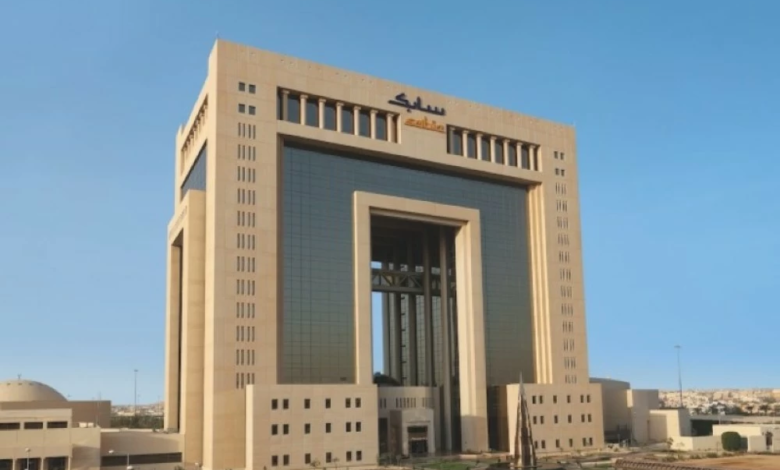
In a notable development reflecting the challenges facing the global petrochemical sector, shares of Saudi Basic Industries Corporation (SABIC), listed on the Saudi Stock Exchange (Tadawul) under the symbol 2010, experienced a sharp decline during trading on Thursday. The stock fell to SAR 48.2, its lowest price in nearly 17 years, specifically since trading on April 27, 2007, when it reached SAR 47.9. This brings to mind price levels during the global financial crisis.
This decline is part of a continuous downward trend the stock has experienced since its peak in March 2022, when it reached SAR 141.4. Since then, the stock has continued its downward trajectory, losing approximately 65.91% of its market value over nearly four years, influenced by a range of global economic factors and energy market volatility.
Strategic deal in Europe
In conjunction with this price performance, SABIC today announced a significant strategic move: the signing of an agreement to sell its entire 100% stake in SABIC Europe B.V. This transaction includes the divestment of all SABIC's petrochemical operations and assets in Europe to another company, a move aimed at refocusing the company on its most profitable investments and improving the efficiency of its global investment portfolio.
Context of the petrochemical sector and its impact
To understand this decline, one must consider the broader context of the global petrochemical sector, which is experiencing an economic cycle characterized by slowing demand in key markets, particularly in Asia and Europe, coupled with pressure on profit margins due to rising feedstock and energy costs in some regions. SABIC is a leading company directly affected by these global economic cycles, which is reflected in its share performance on the local market.
Economic importance and market impact
SABIC is one of the leading companies in the Saudi Stock Exchange (Tadawul), and its share price has a significant weighting on the overall market index. The stock's descent to these historic lows could negatively impact investor sentiment in the basic materials sector as a whole. However, analysts believe that restructuring measures, such as the sale of European assets, may be part of a long-term strategy to strengthen the company's financial position and focus on high-growth markets, which could contribute to restoring the company's future financial performance.