
جهود مستمرة لضمان سلامة ضيوف الرحمن
في إطار الجهود الحثيثة والمستمرة التي تبذلها المملكة العربية السعودية لضمان أمن وسلامة حجاج بيت الله الحرام، أصدر مركز توعية ضيوف الرحمن التابع لوزارة الحج والعمرة حزمة من التوجيهات والإرشادات الهامة. تهدف هذه التوجيهات إلى توعية الحجاج بأفضل الممارسات التي تضمن لهم أداء مناسكهم بكل يسر وسهولة، بعيداً عن أي مخاطر قد تعكر صفو رحلتهم الإيمانية، خاصة خلال الوقوف بمشعر عرفات الذي يمثل الركن الأعظم للحج.
عرفة كلها موقف: تصحيح للمفاهيم وتخفيف للزحام
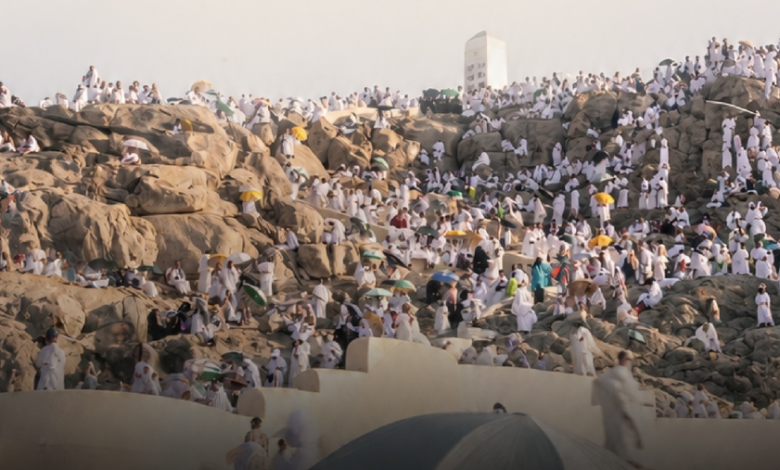
أوضح المركز عبر منشور رسمي على منصة “إكس” قاعدة شرعية وتنظيمية بالغة الأهمية، تتمثل في أن “عرفة كلها موقف، ولا يُشترط الصعود إلى جبل الرحمة”. يأتي هذا التوضيح لتصحيح بعض المفاهيم الخاطئة لدى بعض الحجاج الذين يعتقدون بوجوب تسلق الجبل لإتمام النسك. تاريخياً ودينياً، وقف النبي محمد صلى الله عليه وسلم عند الجبل في حجة الوداع، ولكنه أرسى قاعدة التيسير حين قال: “وقفت هاهنا وعرفة كلها موقف”. هذا الهدي النبوي يرفع الحرج عن المسلمين ويمنع التكدس الخطير الذي قد يحدث نتيجة محاولة الملايين الصعود إلى مساحة جغرافية محدودة.
4 نصائح أساسية للسلامة في المشاعر المقدسة
ولضمان أقصى درجات الحماية، شدد المركز على ضرورة الالتزام بأربع نصائح رئيسية أثناء التواجد في المشاعر المقدسة، وهي:
- الابتعاد عن المرتفعات الحادة: تجنب تسلق الجبال والمسالك الوعرة التي قد تؤدي إلى الانزلاق أو السقوط.
- الالتزام بالمسارات المحددة: السير فقط في الطرق الممهدة والمهيأة للحركة والتي صُممت لاستيعاب الكثافة البشرية بأمان.
- الحذر من الصخور غير المستقرة: الامتناع التام عن الوقوف أو السير فوق الصخور المتحركة أو غير الثابتة لتفادي الإصابات.
- اتباع تعليمات الجهات المختصة: الاستجابة الفورية لتوجيهات رجال الأمن والفرق التنظيمية المتواجدة في الموقع لإدارة الحشود.
الأهمية الاستراتيجية والتأثير المتوقع للإرشادات
تكتسب هذه الإرشادات التوعوية أهمية كبرى على المستويات المحلية والإقليمية والدولية. فعلى الصعيد المحلي، تسهم بشكل مباشر في إنجاح الخطط الاستراتيجية لإدارة الحشود التي تنفذها الجهات الأمنية والصحية، مما يقلل بشكل كبير من حوادث التدافع أو الإصابات الناتجة عن الإجهاد البدني. كما أن تجنب تسلق المرتفعات يقي الحجاج من مخاطر الإجهاد الحراري وضربات الشمس، خاصة في ظل ارتفاع درجات الحرارة.
أما على المستوى الدولي، فإن التزام الحجاج بهذه التعليمات يعكس نجاح المنظومة السعودية في إدارة أكبر تجمع بشري سنوي في العالم. وتأتي هذه الجهود التوعوية متوافقة مع مستهدفات رؤية السعودية 2030، التي تضع خدمة ضيوف الرحمن وإثراء تجربتهم الدينية وتوفير أقصى سبل الراحة والأمان لهم في قمة أولوياتها، ليعودوا إلى بلدانهم سالمين غانمين بعد رحلة إيمانية ميسرة وآمنة.