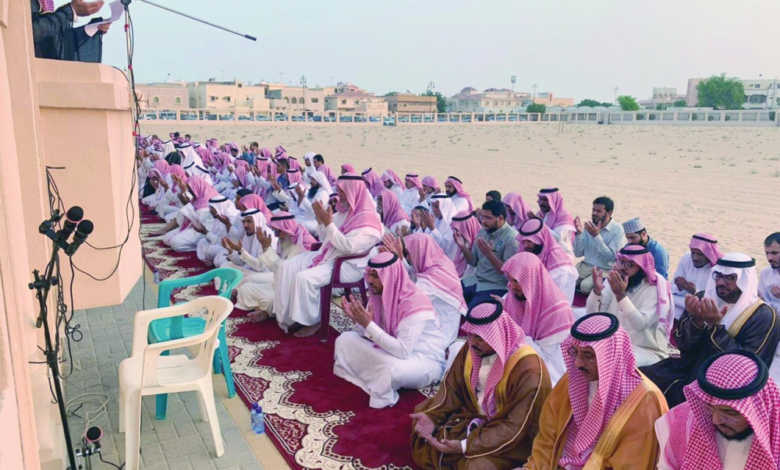

أصدر خادم الحرمين الشريفين الملك سلمان بن عبدالعزيز آل سعود -حفظه الله- دعوة كريمة لإقامة صلاة الاستسقاء في جميع أنحاء المملكة العربية السعودية يوم غدٍ الخميس، تأسياً بسنة نبينا محمد صلى الله عليه وسلم في طلب الغيث من الله تعالى عند تأخر نزول المطر. وتأتي هذه الدعوة لتؤكد على الارتباط الوثيق بين القيادة والشعب في اللجوء إلى الله في السراء والضراء.
الأهمية الشرعية والسياق التاريخي لصلاة الاستسقاء
تُعد صلاة الاستسقاء سنة مؤكدة عن النبي صلى الله عليه وسلم، يؤديها المسلمون عند الجدب وانقطاع المطر، طلباً للسقيا والرحمة من الله عز وجل. وهي شعيرة تعكس افتقار العباد لربهم وتضرعهم إليه. وقد دأبت المملكة العربية السعودية منذ تأسيسها على إحياء هذه السنة النبوية الشريفة بصفة دورية عند حاجة البلاد والعباد للغيث، مما يعزز القيم الإيمانية والروحانية في المجتمع.
صفة صلاة الاستسقاء وكيفية أدائها
تتشابه صفة صلاة الاستسقاء مع صلاة العيدين في عدد الركعات والتكبيرات، وهي تصلى ركعتين جهراً في جماعة، وتكون صفتها كالتالي:
- الركعة الأولى: يُكبر الإمام تكبيرة الإحرام، ثم يتبعها بسبع تكبيرات، ثم يقرأ سورة الفاتحة وما تيسر من القرآن الكريم (ويُستحب قراءة سورة الأعلى).
- الركعة الثانية: يقوم للركعة الثانية مكبراً، ثم يُكبر خمس تكبيرات غير تكبيرة الانتقال، ويقرأ الفاتحة وما تيسر (ويُستحب قراءة سورة الغاشية)، ثم يكمل صلاته كالمعتاد ويسلم.
خطبة الاستسقاء والدعاء المستحب
عقب الانتهاء من الصلاة، يخطب الإمام في الناس خطبة واحدة (أو خطبتين عند بعض العلماء) يكثر فيها من الاستغفار وقراءة الآيات التي تحث عليه، ويوعظ الناس بترك المعاصي ورد المظالم، لأن الذنوب من أسباب منع القطر. ومن السنة أن يرفع الإمام والمصلون أيديهم بضرعة ومبالغة في الدعاء، ومن الأدعية المأثورة: "اللهم أغثنا، اللهم أغثنا، اللهم أغثنا"، و"اللهم اسقنا غيثاً مغيثاً مريئاً نافعاً غير ضار".
سنة تحويل الرداء
من السنن المؤكدة في صلاة الاستسقاء "تحويل الرداء"، حيث يقوم الإمام والمصلون أثناء الخطبة (عند استقبال القبلة للدعاء) بقلب أرديتهم (أو ما يحل محلها مثل "البشت" أو "الشماغ")، فيجعلون ما على اليمين على اليسار والعكس. وقد ذكر الفقهاء أن الحكمة من ذلك هي التفاؤل بتغير الحال من الجدب والقحط إلى الخصب والسعة، اقتداءً بفعل النبي صلى الله عليه وسلم.
أحكام صلاة النساء والمسافرين
أكد العلماء مشروعية خروج النساء لأداء صلاة الاستسقاء، شريطة الالتزام بالحشمة وعدم التبرج أو التطيب، وتكون صفوفهن خلف صفوف الرجال، وخير صفوف النساء آخرها. كما يُشرع للمسافرين وأهل البادية أداء هذه الصلاة إذا احتاجوا للسقيا، ويمكن لمن فاتته الصلاة مع الجماعة أن يصليها منفرداً في بيته أو مكانه بنفس الصفة، سائلاً الله أن يمن على البلاد والعباد بالغيث والرحمة.