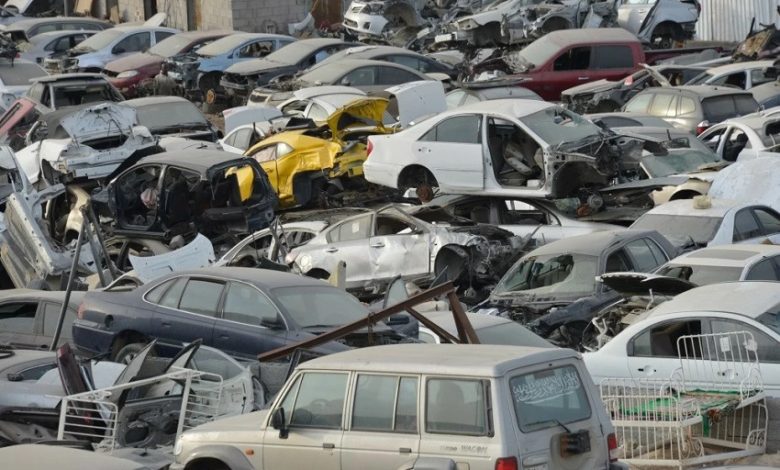

أصدر البنك المركزي السعودي “ساما” توجيهاً حاسماً لكافة البنوك والمصارف وشركات التمويل العاملة في المملكة، يهدف إلى تنظيم عملية تقييم السيارات التالفة للمركبات المؤجرة تمويلياً. ويؤكد التعميم الجديد على ضرورة الاعتماد حصراً على التقارير الصادرة من الهيئة السعودية للمقيمين المعتمدين “تقييم” عند تصنيف المركبة بأنها “تالف كلياً” (هلاك اقتصادي) بعد تعرضها لحادث، في خطوة استراتيجية تهدف لتعزيز الشفافية وحماية حقوق جميع الأطراف المعنية في عقود الإيجار التمويلي.
تنظيم قطاع التأجير التمويلي وحماية حقوق المستفيدين
يأتي هذا القرار في سياق النمو المتسارع الذي يشهده قطاع التأجير التمويلي للسيارات في المملكة العربية السعودية، والذي أصبح خياراً شائعاً للعديد من الأفراد. ومع هذا التوسع، برزت بعض التحديات العملية، خاصة فيما يتعلق بالنزاعات التي قد تنشأ بين شركات التمويل والمستأجرين عند وقوع حوادث للمركبات. ففي السابق، كانت عملية تقدير الضرر وتحديد ما إذا كانت المركبة تعتبر “هلاكاً كلياً” تفتقر أحياناً إلى معيار موحد، مما كان يفتح الباب أمام خلافات حول قيمة التعويض وإنهاء العقد. وعليه، يأتي تدخل “ساما” كجزء من دوره الرقابي والإشرافي على القطاع المالي، لضمان تطبيق أفضل الممارسات التي تحفظ حقوق المستهلك وتدعم استقرار ونزاهة السوق.
دور “تقييم” في إرساء معايير تقييم السيارات التالفة
إن حصر عملية التقييم في الهيئة السعودية للمقيمين المعتمدين “تقييم” يمثل نقطة تحول هامة. فكون “تقييم” جهة مستقلة ومعتمدة حكومياً، فإن تقاريرها تستند إلى أسس فنية ومنهجيات مهنية محايدة، مما يضمن تقديراً عادلاً وموضوعياً لحالة المركبة بعد الحادث. هذا الإجراء يحد من أي تضارب محتمل في المصالح، ويمنح المستأجر (العميل) ثقة أكبر في أن قرار اعتبار سيارته تالفة بشكل كلي لم يتم بشكل عشوائي أو لمصلحة طرف واحد. بالنسبة لشركات التمويل، يوفر هذا التوجيه إطاراً إجرائياً واضحاً يقلل من الشكاوى والنزاعات القانونية المحتملة، ويعزز من سمعتها في السوق.
تطبيق المادة 22 من نظام الإيجار التمويلي
يستند تعميم البنك المركزي بشكل مباشر إلى المادة 22 من نظام الإيجار التمويلي، والتي تنظم العلاقة التعاقدية في حال تعرض الأصل المؤجر (السيارة) للهلاك. وتنص المادة على أن العقد يُفسخ تلقائياً في حال الهلاك الكلي. أما في حالة الهلاك الجزئي الذي يؤثر على منفعة المركبة، فيحق للمستأجر فسخ العقد إذا لم يقم المؤجر (شركة التمويل) بإصلاح الضرر أو توفير مركبة بديلة مماثلة خلال فترة زمنية معقولة. وأكد “ساما” على أنه قبل اعتبار المركبة هالكة كلياً، يجب على جهة التمويل بذل العناية الواجبة لضمان استمرارية انتفاع المستأجر بالمركبة. ومن خلال ربط تحديد “الهلاك الكلي” بتقرير رسمي من “تقييم”، يضمن “ساما” تطبيق هذه المادة القانونية بعدالة ودقة، مما يحقق التوازن بين حقوق والتزامات طرفي العقد.