
أعلنت الخطوط الحديدية السعودية “سار” عن اكتمال الجاهزية التشغيلية الكاملة لقطار المشاعر المقدسة، وبدء التشغيل الفعلي لخدمة حجاج بيت الله الحرام خلال موسم حج عام 1447هـ. تأتي هذه الخطوة الاستراتيجية لتعكس مدى الاستعداد العالي للمنظومة بهدف توفير خدمة تنقل آمنة، موثوقة، ومريحة لضيوف الرحمن، مما يضمن تيسير أداء المناسك بكل طمأنينة.
السياق التاريخي وأهمية قطار المشاعر المقدسة
يعود تاريخ افتتاح قطار المشاعر المقدسة إلى شهر نوفمبر من عام 2010، حيث جاء كحل جذري ومبتكر لمواجهة التحديات اللوجستية الكبيرة المتمثلة في نقل ملايين الحجاج في مساحة جغرافية محدودة وخلال فترة زمنية قصيرة. وقد أسهم هذا المشروع الضخم في الاستغناء عن عشرات الآلاف من الحافلات، مما أدى إلى تقليل الازدحام المروري بشكل غير مسبوق، وخفض الانبعاثات الكربونية، ليصبح واحداً من أهم المشاريع الصديقة للبيئة في المنطقة التي تخدم الحجاج سنوياً.
منظومة تشغيلية دقيقة ومحاكاة للواقع
استكملت “سار” جاهزيتها من خلال التنسيق والتكامل المستمر مع مختلف الجهات ذات العلاقة، وفي مقدمتها الجهات الأمنية والخدمية المختصة. ولضمان أعلى معايير السلامة، نفذت الشركة ثلاث عمليات محاكاة متكاملة تحاكي ظروف موسم الحج بدقة عالية. هدفت هذه التجارب إلى اختبار كافة الأنظمة، القطارات، والمحطات، وتعزيز كفاءة التشغيل بما يضمن انطلاقة آمنة وفعّالة خلال أيام الحج المزدحمة.
قدرات استيعابية هائلة وحركة انسيابية
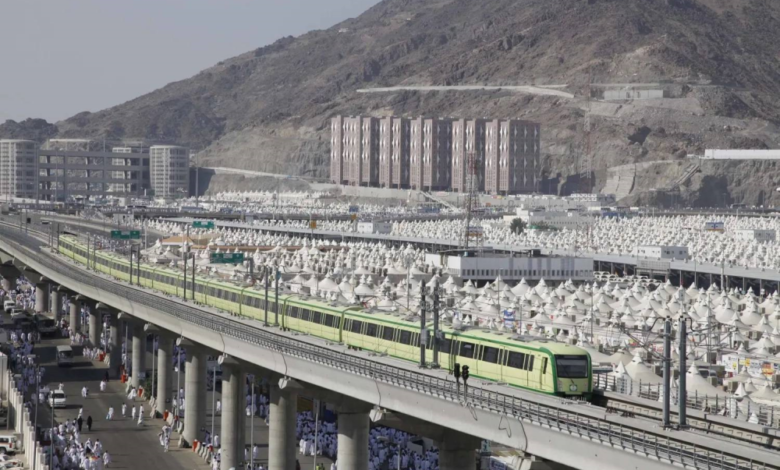
يعمل قطار المشاعر المقدسة وفق خمس حركات تشغيلية مختلفة، تم تصميمها بعناية لتتوافق مع أنماط تنقل الحجاج بين المشاعر حسب النسك. يُعد القطار ركيزة أساسية، حيث ينفذ خلال موسم الحج أكثر من 2000 رحلة لنقل ما يزيد على مليوني راكب. يتكون الأسطول من 17 قطاراً، تبلغ الطاقة الاستيعابية لكل قطار 3000 راكب، بقدرة نقل جماعية تتجاوز 72 ألف راكب في الساعة الواحدة. يربط القطار بين تسع محطات موزعة على مشاعر عرفات ومزدلفة ومنى، وصولاً إلى الدور الرابع من جسر الجمرات، مما يعزز انسيابية الحركة وسلامة الحشود.
التأثير المحلي والدولي وتوافق مع رؤية 2030
يأتي تشغيل قطار المشاعر ضمن منظومة متكاملة تدعم مستهدفات رؤية المملكة 2030 وبرنامج خدمة ضيوف الرحمن. على الصعيد الدولي، يبرز هذا المشروع قدرة المملكة العربية السعودية الفائقة في إدارة الحشود المليونية وتقديم نموذج عالمي يحتذى به في النقل الجماعي. يُذكر أن تشغيل وصيانة القطار أُسند إلى “سار” بموجب قرار مجلس الوزراء رقم 538 وتاريخ 16 / 9 / 1440هـ، للارتقاء بجودة الخدمات المقدمة.
قطار الحرمين السريع: تكامل في النقل
في سياق متصل، كانت “سار” قد أعلنت مسبقاً خطتها التشغيلية لقطار الحرمين السريع لموسم حج 1447هـ، والتي تتضمن توفير أكثر من 2.21 مليون مقعد عبر تشغيل ما يزيد على 5300 رحلة. يمتد مسار القطار لنحو 453 كيلومتراً، ويُعد من أسرع القطارات في العالم بسرعة تصل إلى 300 كيلومتر في الساعة، مما يكمل حلقة النقل الفعالة لخدمة الحجاج منذ وصولهم وحتى مغادرتهم.