
مقدمة عن منظومة 911 لخدمة الحجاج
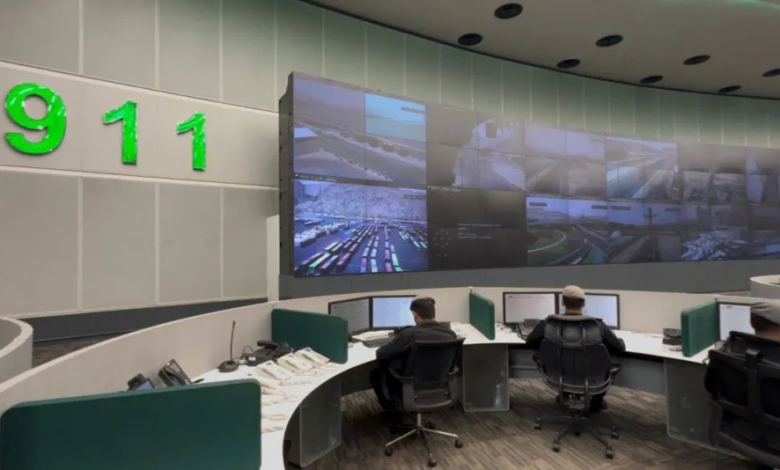
تُعد منظومة المركز الوطني للعمليات الأمنية (911) في المملكة العربية السعودية واحدة من أبرز الإنجازات الأمنية والخدمية التي تسخرها الدولة لخدمة حجاج بيت الله الحرام. تعمل هذه المنظومة المتكاملة على مدار الساعة طوال أيام الأسبوع، وتهدف إلى توفير استجابة سريعة وفعالة لأي طارئ قد يواجه ضيوف الرحمن خلال أدائهم لمناسك الحج. وما يميز هذا المركز هو قدرته الفائقة على استقبال المكالمات والتعامل معها بلغات عالمية متعددة، مما يكسر حاجز اللغة ويضمن تقديم المساعدة الفورية لكل حاج بغض النظر عن جنسيته أو لغته الأم.
الخلفية التاريخية وتوحيد أرقام الطوارئ
تاريخياً، كانت خدمات الطوارئ في المملكة العربية السعودية موزعة على عدة أرقام مختلفة مثل الشرطة، والدفاع المدني، والمرور، وأمن الطرق. ومع تزايد أعداد الحجاج سنوياً وتطور متطلبات إدارة الحشود، برزت الحاجة الملحة لتوحيد هذه الجهود تحت مظلة واحدة. ومن هنا جاءت فكرة إطلاق مراكز العمليات الأمنية الموحدة (911) التابعة لوزارة الداخلية. يمثل هذا التحول نقلة نوعية في تاريخ الخدمات الأمنية السعودية، حيث تم دمج جميع غرف العمليات في مركز واحد مزود بأحدث التقنيات العالمية، مما قلص من وقت الاستجابة وسهل على الحجاج والمواطنين والمقيمين طلب المساعدة عبر رقم مجاني وموحد يسهل تذكره.
القدرات اللغوية والتقنية للمركز
لضمان تقديم خدمة شاملة، يضم مركز 911 نخبة من الكوادر البشرية المؤهلة والمدربة تدريباً عالياً، من بينهم مترجمون يتقنون لغات عدة مثل الإنجليزية، والفرنسية، والأوردية، والإندونيسية، وغيرها من اللغات الأكثر شيوعاً بين الحجاج. بالإضافة إلى ذلك، يعتمد المركز على أنظمة تقنية متطورة تشمل تحديد الموقع الجغرافي للمتصل بدقة عالية حتى وإن لم يكن يعرف مكانه الفعلي في المشاعر المقدسة، وتوجيه أقرب فرقة ميدانية لموقع الحدث. هذه التقنيات تساهم بشكل مباشر في إنقاذ الأرواح وتقليل الخسائر في حالات الطوارئ الطبية أو الأمنية.
الأهمية والتأثير المحلي والدولي
على الصعيد المحلي، يعزز مركز 911 من مستوى الأمن والسلامة العامة في مكة المكرمة والمشاعر المقدسة، ويضمن انسيابية حركة الحشود وإدارة الأزمات بكفاءة عالية. أما على الصعيدين الإقليمي والدولي، فإن نجاح المملكة في إدارة ملايين الحجاج في مساحة جغرافية محدودة وفي وقت زمني محدد يعكس قدراتها التنظيمية الفائقة. هذا النجاح يرسخ مكانة السعودية كدولة رائدة في إدارة الحشود، ويبرز التزامها العميق بخدمة الإسلام والمسلمين، وهو ما يتماشى مع مستهدفات برنامج ضيوف الرحمن أحد برامج رؤية السعودية 2030 التي تولي اهتماماً بالغاً بتطوير منظومة الحج والعمرة وإثراء تجربة الحاج.
خاتمة
في الختام، تجسد منظومة 911 الرعاية الكريمة والاهتمام البالغ الذي توليه القيادة السعودية لضيوف الرحمن. إن توفير بيئة آمنة ومطمئنة للحجاج ليس مجرد واجب ديني، بل هو التزام وطني تسخر له المملكة كافة إمكاناتها البشرية والمادية والتقنية، لضمان عودة الحجاج إلى أوطانهم سالمين غانمين بعد أداء مناسكهم بكل يسر وسهولة وأمان.