
في إطار الجهود المستمرة لخدمة ضيوف الرحمن، كشف المهندس سراج الفيلالي عن تطورات استثنائية في مشروع المملكة العربية السعودية للإفادة من الهدي والأضاحي خلال موسم الحج الحالي. يُعد هذا المشروع الرائد واحداً من أبرز المنظومات الحكومية التي تقدم خدمات مباشرة وحيوية لحجاج بيت الله الحرام، حيث يضطلع بدور محوري في تنفيذ نسك الهدي والأضاحي وفقاً لأدق الضوابط الشرعية، والصحية، والبيطرية، مما يضمن سلامة الإجراءات وتحقيق المقاصد الشرعية من النسك بكل يسر وسهولة.
إقبال متزايد: 900 ألف حاج يتعاقدون على النسك
أوضح المهندس الفيلالي أن المشروع يواصل استقبال طلبات الحجاج عبر بوابته الإلكترونية والقنوات الرسمية المعتمدة لتقديم خدمات الهدي والأضاحي. وقد سجلت الإحصائيات أرقاماً قياسية، حيث قاربت أعداد الحجاج المتعاقدين على تنفيذ النسك حتى الآن نحو 900 ألف حاج. ويأتي هذا الرقم الضخم مع استمرار ارتفاع الطلبات تزامناً مع قرب حلول عيد الأضحى المبارك، مما يعكس الثقة الكبيرة التي يوليها ضيوف الرحمن لهذا المشروع الوطني الرائد.
السياق التاريخي: من هدر الموارد إلى التكافل الإسلامي
تاريخياً، كان الحجاج يواجهون صعوبات بالغة في التعامل مع لحوم الأضاحي، مما كان يؤدي إلى هدر كبير وتحديات بيئية وصحية في المشاعر المقدسة. واستجابة لذلك، تأسس مشروع المملكة للإفادة من الهدي والأضاحي في عام 1983م (1403هـ)، وأُسندت إدارته إلى البنك الإسلامي للتنمية. شكل هذا التأسيس نقلة نوعية في تاريخ الحج، حيث حوّل تحدي التخلص من اللحوم إلى فرصة عظيمة للتكافل الاجتماعي، ليصبح نموذجاً عالمياً في إدارة الموارد وتوزيعها على مستحقيها.
منظومة تشغيلية متقدمة وتقنيات حديثة
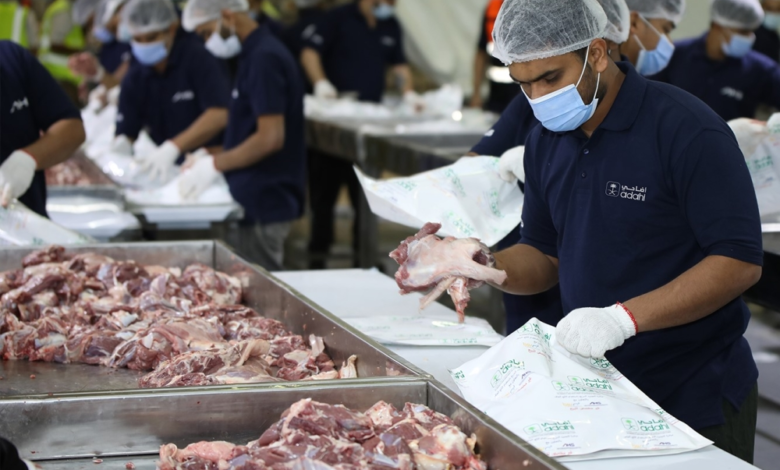
لضمان سير العمليات بكفاءة عالية، يعتمد المشروع على سبعة مرافق تشغيلية ضخمة تعمل بكامل طاقتها خلال أيام عيد الأضحى وأيام التشريق فقط. وقد جُهزت هذه المرافق بأحدث التقنيات التشغيلية التي تتناسب مع الأعداد المليونية للحجاج وضيق الوقت المخصص لتنفيذ النسك. وتُدار هذه المرافق عبر منظومة بشرية متكاملة تضم نحو 20 ألف فرد، تتنوع أدوارهم ما بين عمال، ومشرفين، وإداريين، وأطقم أمنية وصحية، بهدف ضمان تنفيذ الأضاحي في وقتها الشرعي المحدد.
علاوة على ذلك، يمتلك المشروع منظومة متقدمة للتبريد والتجميد، إلى جانب تقنيات حديثة لتقطيع اللحوم، وتغليفها، وتعبئتها. هذه الإجراءات الصارمة تضمن حفظ اللحوم والاستفادة منها بالشكل الأمثل، تحقيقاً للهدف الأسمى للمشروع المتمثل في إيصال اللحوم صالحة للاستهلاك الآدمي إلى مستحقيها.
الأثر المحلي والدولي: رسالة إنسانية عابرة للحدود
تتجاوز أهمية مشروع الهدي والأضاحي الحدود المحلية لتشمل تأثيراً إقليمياً ودولياً واسع النطاق. فعلى الصعيد المحلي، يساهم المشروع في حماية بيئة مكة المكرمة والمشاعر المقدسة من التلوث، ويوفر آلاف فرص العمل الموسمية. أما على الصعيد الدولي، فيقوم المشروع بشحن وتوزيع ملايين الذبائح سنوياً إلى المستحقين في أكثر من 27 دولة عربية وإسلامية، مما يعزز من قيم التضامن والتكافل بين شعوب الأمة الإسلامية، ويخفف من معاناة الفقراء والمحتاجين حول العالم.
إشعارات رقمية لتسهيل “التحلل” للحجاج
نظراً لأن تنفيذ نسك الهدي والأضاحي يُعد من المراحل الحاسمة المرتبطة بتحلل الحاج واستكمال بقية المناسك، فقد أولى المشروع اهتماماً بالغاً بالجانب التقني. وأضاف الفيلالي أن المشروع طور وسائل متعددة لإشعار الحجاج فور تنفيذ النسك، من أبرزها إرسال رسائل نصية (SMS) مباشرة إلى هواتف الحجاج، سواء عبر الأرقام المحلية أو الدولية.
تتضمن هذه الرسائل تفاصيل دقيقة تشمل رقم السند أو الكوبون الخاص بالحاج، مع تحديد اليوم والساعة التي تم فيها التنفيذ. هذه الخطوة التقنية تمنح الحجاج طمأنينة كاملة، وتمكّنهم من التحلل التدريجي واستكمال مناسك الحج بكل يسر، مما يعكس حرص المملكة العربية السعودية على تسخير التقنية لخدمة ضيوف الرحمن.