
Another success for the Saudi air defense forces
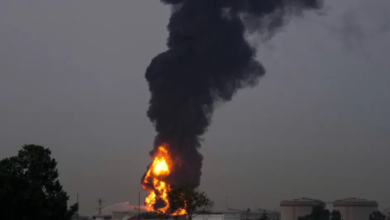
In another military and security achievement added to its impressive record, the Kingdom of Saudi Arabia announced that the Royal Saudi Air Defense Forces successfully intercepted and destroyed seven ballistic missiles and 11 explosive-laden drones launched towards various regions within the Kingdom. This event reflects the high level of readiness and constant vigilance of the Saudi Armed Forces in protecting its territory, citizens, and residents from any external threats.
General context and historical background of the event
These attacks come amid a continued escalation by the Iranian-backed Houthi militias in Yemen, who, since the start of the Yemeni crisis and the intervention of the Saudi-led coalition in 2015, have consistently attempted to target civilian infrastructure and vital facilities within Saudi Arabia. Over the past years, these militias have launched hundreds of ballistic missiles and explosive-laden drones toward the Kingdom. However, Saudi air defense systems, particularly the Patriot missiles, have proven exceptionally effective in neutralizing and destroying these threats in the air before they reach their targets.
The use of drones and ballistic missiles constitutes a flagrant violation of international humanitarian law and its customary rules, especially since these attacks deliberately target civilian-populated areas. These repeated violations have been documented in reports by the United Nations and numerous international organizations, which also point to the external support these militias receive to develop their military arsenals.
The importance of the event and its expected impact
Local impact: Protecting lives and property
Domestically, the simultaneous destruction of such a large number of missiles and drones sends a reassuring message to citizens and residents of Saudi Arabia. It underscores the Kingdom's ability to provide a robust security umbrella protecting cities and vital economic infrastructure. This success also highlights the technological advancements and high level of training possessed by Saudi military personnel in dealing with complex aerial threats.
Regional impact: Deterring threats and stabilizing the region
Regionally, this successful response sends a firm message to all those attempting to destabilize the region. The Kingdom's ability to neutralize these attacks curbs the ambitions of the militias and their backers to alter the balance of power or impose a new political and military reality. It also strengthens the position of the Coalition to Support Legitimacy in Yemen and underscores the necessity of continuing military and political efforts to end the coup and restore the Yemeni state, which will positively impact the security of the Arabian Gulf and the Middle East in general.
International impact: Energy security and global navigation
Internationally, these attacks cannot be viewed in isolation from their impact on the global economy. Saudi Arabia is one of the world's largest oil exporters, and any threat to its vital infrastructure is a direct threat to global energy security and market stability. Therefore, the success of Saudi air defenses in thwarting these attacks has been widely welcomed internationally, as it contributes to ensuring the continued flow of global energy supplies. Such attacks are typically met with broad condemnation from the UN Security Council, the United States, the European Union, and Arab and Islamic countries, which affirm their full solidarity with the Kingdom in taking all necessary measures to preserve its security and stability.
Summary
In conclusion, the destruction of 7 ballistic missiles and 11 drones demonstrates the efficiency and complete vigilance of the Saudi defense system. Despite the continued hostile attempts, the Kingdom of Saudi Arabia remains capable of protecting its resources and its people, while continuing to support international and regional efforts aimed at achieving a comprehensive and just peace in Yemen in accordance with the established international frameworks.