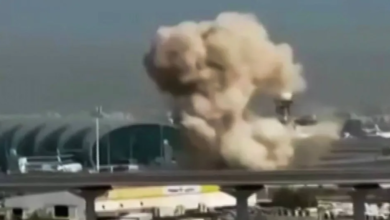

Another success for Saudi air defense in protecting the Kingdom's skies
In a new military achievement reflecting high efficiency and constant vigilance, the Kingdom of Saudi Arabia announced that the Royal Saudi Air Defense Forces successfully intercepted and destroyed two ballistic missiles and 43 explosive-laden drones launched towards various regions within the Kingdom. This successful operation comes as part of the ongoing efforts of the Saudi Armed Forces to protect civilians and civilian infrastructure from repeated terrorist attacks targeting the security and stability of the country.
General context and historical background of the attacks
These attacks stem from the ongoing conflict in Yemen, which began with the Iranian-backed Houthi militia's coup against the legitimate government in 2014. At the request of the Yemeni government, Saudi Arabia has led a military coalition since 2015 to support the legitimate government and restore state institutions. Since then, the Houthi militias have consistently used explosive-laden drones and ballistic missiles to target Saudi territory in a desperate attempt to pressure the Kingdom and influence the course of the war.
International and UN reports indicate that these weapons, particularly drones and ballistic missiles, rely heavily on external technology and support, complicating the security landscape in the region. Saudi Arabia's defense systems, most notably its advanced Patriot missiles, have successfully neutralized the vast majority of these threats before they reached their targets, demonstrating the Kingdom's technological and military superiority in protecting its airspace.
The importance of the event and its impact locally, regionally, and internationally
Local impact: Protecting lives and property
Domestically, the destruction of this large number of drones and ballistic missiles in a simultaneous or nearly simultaneous manner sends a strong message of reassurance to citizens and residents of the Kingdom. Protecting civilian infrastructure, such as airports and vital facilities in the southern regions and elsewhere, is a top priority for the Saudi leadership. These defensive successes underscore the Kingdom's ability to secure its home front against any infiltrations or terrorist threats aimed at destabilizing its security.
Regional impact: Stability of energy markets and security in the Gulf
Regionally, Saudi Arabia plays a pivotal role in the stability of the Middle East and the security of the Arabian Gulf. Targeting Saudi territory is, in essence, an attack on regional security as a whole. Furthermore, some of these attacks attempt to target vital oil facilities, meaning that successfully countering them directly contributes to the stability of global energy markets and ensures the uninterrupted supply of oil, which has a positive impact on the regional and global economy.
International impact: Widespread condemnation and violation of international law
At the international level, the Kingdom's efforts to defend its territory enjoy broad support from the international community. Attacks targeting civilians and civilian objects are classified as war crimes and flagrant violations of international humanitarian law and its customary rules. These hostile attempts are typically met with strong condemnation from the United Nations, the United States, the European Union, and Arab and Islamic states, all of which affirm the Kingdom's legitimate right to take all necessary measures to protect its territory and citizens.
Summary
In conclusion, the destruction of two ballistic missiles and 43 explosive-laden drones demonstrates the complete readiness and superior capabilities of the Coalition Forces and Saudi air defenses. The Kingdom remains steadfast in its commitment to defending its national security and continuing its leading role in supporting the stability of Yemen and the region, while fully adhering to the rules of international humanitarian law in all its military operations to ensure the protection of civilians.