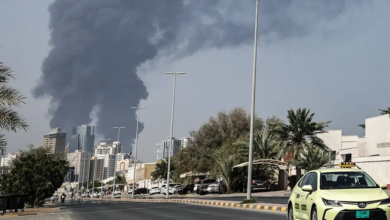

Another success for Saudi air defenses in protecting civilian targets
In a military achievement reflecting high efficiency and constant vigilance, the Royal Saudi Air Defense Forces intercepted and destroyed 45 explosive-laden drones launched by the Houthi terrorist militias in a systematic and deliberate attempt to target civilian infrastructure and civilians in the Kingdom of Saudi Arabia. This success reaffirms the Kingdom's superior capabilities in protecting its airspace and ensuring the safety of its citizens and residents from any external threats, thus thwarting desperate attempts to undermine security and stability.
General context and historical background of the threats
Since the outbreak of the Yemeni crisis and the intervention of the Saudi-led coalition in 2015 at the request of the legitimate government, the Houthi militias have resorted to asymmetric warfare tactics, primarily the use of drones and ballistic missiles. These repeated attacks target not only military sites but also, and in violation of international humanitarian law, civilian airports, desalination plants, and vital oil installations. The capabilities of these militias have evolved over time through the acquisition of advanced technologies, making the threat more complex. However, the continuous modernization of Saudi air defense systems has always been a proactive measure to thwart these plans.
The importance of the event and its local, regional, and international impact
Local impact: Protecting lives and property
Domestically, the destruction of this large number of drones (45) sends a strong message of reassurance to Saudi society. The effectiveness of air defense systems, such as Patriot missiles and other advanced radar and interception technologies, ensures the continuation of normal life without interruption and protects national infrastructure from the certain destruction that could have resulted from these coordinated terrorist attacks aimed at terrorizing innocent civilians.
Regional impact: Gulf security
Regionally, these events underscore the pivotal role of the Kingdom of Saudi Arabia in maintaining the security and stability of the Arabian Gulf and the Middle East. The firm response to these attacks curbs the ambitions of armed groups seeking to destabilize the region and highlights the Kingdom's unwavering commitment to defending its borders and supporting the legitimate government in Yemen to achieve a lasting and comprehensive peace that ends the suffering of the Yemeni people.
International impact: Stability of global energy markets
Internationally, the significance of these successful interceptions extends far beyond the Middle East, reaching the very heart of the global economy. Saudi Arabia is one of the world's largest oil exporters, and any attack on its vital infrastructure poses a direct threat to global energy security, market stability, and supply chains. Therefore, the success of Saudi Arabia's defenses has garnered widespread praise from the international community, including the United Nations and major powers, which consistently condemn these attacks and affirm the Kingdom's legitimate right to defend its territory in accordance with the UN Charter and international law.
Summary
The destruction of 45 drones is not merely a number in the record of military achievements, but rather conclusive proof of the complete readiness of the Saudi armed forces. While the Kingdom continues to resolutely confront any acts of aggression, it also continues to support political and diplomatic efforts aimed at ending the Yemeni crisis and reaching a comprehensive political solution that guarantees security and stability for Yemen and neighboring countries.