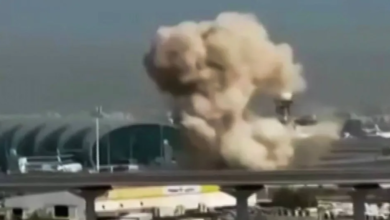

Saudi air defenses successfully destroyed 7 ballistic missiles and 16 drones
Saudi security and military authorities announced another exceptional success for Saudi air defenses, having intercepted and destroyed seven ballistic missiles and 16 explosive-laden drones launched toward various regions within the Kingdom. This achievement reflects the high level of readiness and constant vigilance of the Saudi armed forces in addressing terrorist threats targeting the security and stability of the country.
The efficiency of Saudi air defenses in protecting civilians
The Royal Saudi Air Defense Forces, with their advanced technologies such as the Patriot system and other sophisticated radars and interception systems, have demonstrated a superior ability to neutralize complex aerial threats. The destruction of this large number of ballistic missiles and drones in simultaneous or nearly simultaneous attacks highlights the high level of professionalism of Saudi military personnel. The Kingdom prioritizes the protection of civilian infrastructure and civilians, both citizens and residents, by destroying these projectiles in the air before they reach their targets, thus preventing significant loss of life or property damage.
Historical context and escalating threats
These attacks come within the broader context of the ongoing Yemeni crisis, which began with the Houthi militia's coup against the legitimate Yemeni government in 2014. Since the intervention of the Saudi-led coalition in Yemen in 2015, at the request of the Yemeni government, the Houthi militia has resorted to using ballistic missiles and explosive-laden drones as its primary tools for targeting Saudi Arabia. International and UN reports indicate that these weapons are often smuggled or developed with external support, constituting a blatant violation of UN Security Council resolutions, particularly Resolution 2216, which prohibits the supply of weapons to the militia. These repeated attacks have become a well-known pattern through which the militia seeks to alleviate the military pressure it faces on the internal battlefronts in Yemen.
Importance and impact: locally, regionally, and internationally
Domestically, this defensive success reinforces the sense of security among Saudi society and residents, and underscores the Kingdom's strength in maintaining its internal security. Regionally, the continuation of these attacks poses a direct threat to the security of the Arabian Gulf region and international shipping lanes in the Red Sea and the Bab el-Mandeb Strait. Internationally, these events are of paramount importance given Saudi Arabia's position as the world's largest oil exporter; any targeting of the Kingdom's infrastructure or economy constitutes a direct threat to global energy security and the stability of the international economy. Therefore, these attacks have consistently been met with widespread international condemnation from the United Nations, the United States, the European Union, and the League of Arab States, all of which affirm the Kingdom's right to defend its territory and citizens.
Compliance with international humanitarian law
The Joint Forces Command of the Coalition consistently emphasizes that all operational measures taken to intercept and destroy these threats are conducted in accordance with international humanitarian law and its customary rules. These measures include taking all necessary precautions to protect civilians and avoid collateral damage during interception operations. The militias' continued systematic and deliberate targeting of civilians and civilian objects constitutes a war crime under international law, necessitating a firm stance from the international community to halt these violations, hold those responsible accountable, and support efforts to reach a comprehensive political solution to the Yemeni crisis.