
أعلنت قوات تحالف دعم الشرعية في اليمن، عن نجاح الدفاعات الجوية السعودية في اعتراض وتدمير 11 صاروخاً باليستياً و22 طائرة مسيرة مفخخة، أطلقتها الميليشيات الحوثية باتجاه الأعيان المدنية والمدنيين في المملكة. يعكس هذا الإنجاز العسكري الكفاءة العالية واليقظة المستمرة للقوات المسلحة السعودية في حماية أراضيها ومواطنيها من الهجمات العدائية المستمرة.
السياق العام والخلفية التاريخية
تعود جذور هذا التصعيد إلى الانقلاب الحوثي على الحكومة الشرعية في اليمن عام 2014، مما استدعى تدخل تحالف دعم الشرعية في عام 2015 بناءً على طلب من الحكومة اليمنية المعترف بها دولياً. ومنذ ذلك الحين، دأبت الميليشيات الحوثية على استخدام الطائرات المسيرة (بدون طيار) والصواريخ الباليستية كأداة رئيسية في حربها، مستهدفة بشكل متكرر المناطق الجنوبية والوسطى من المملكة العربية السعودية. وتشير التقارير الدولية والأممية إلى أن هذه الأسلحة غالباً ما تكون مهربة أو مطورة بتقنيات خارجية، مما يمثل انتهاكاً صارخاً لقرارات مجلس الأمن الدولي، ولا سيما القرار 2216 الذي يحظر توريد الأسلحة للميليشيات.
كفاءة منظومة الدفاع الجوي السعودي
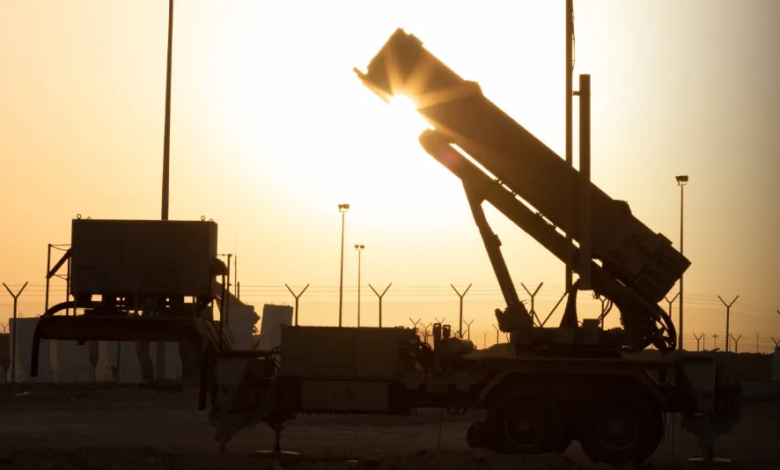
تمتلك المملكة العربية السعودية منظومة دفاع جوي متطورة للغاية، تعتمد بشكل أساسي على بطاريات صواريخ باتريوت الاعتراضية، بالإضافة إلى أنظمة رادار وإنذار مبكر حديثة. وقد أثبتت هذه المنظومات فاعليتها الكبيرة في تحييد التهديدات الجوية المتزايدة، حيث تمكنت على مدار السنوات الماضية من إسقاط مئات الصواريخ والطائرات المسيرة قبل وصولها إلى أهدافها. إن تدمير 11 صاروخاً باليستياً و22 طائرة مسيرة في وقت متزامن أو خلال فترة وجيزة يبرز القدرة الفائقة للرصد والتعامل التكتيكي السريع مع التهديدات المتعددة.
التأثير المحلي وحماية المدنيين
على الصعيد المحلي، يمثل نجاح الدفاعات السعودية رسالة طمأنينة قوية للمواطنين والمقيمين على أراضي المملكة. إن استهداف الأعيان المدنية والمطارات والمنشآت الحيوية يهدف بالأساس إلى إحداث حالة من الذعر وزعزعة الاستقرار الداخلي. ومع ذلك، فإن الكفاءة في التصدي لهذه الهجمات تضمن استمرار الحياة الطبيعية، وتحمي الأرواح والممتلكات، وتؤكد على سيادة الدولة وقدرتها المطلقة على تأمين حدودها ومقدراتها الوطنية.
الأهمية الإقليمية والدولية للحدث
إقليمياً ودولياً، تكتسب هذه الأحداث أهمية بالغة تتجاوز حدود المنطقة. فالمملكة العربية السعودية تعد لاعباً رئيسياً في استقرار الاقتصاد العالمي، وأي تهديد لمنشآتها الحيوية، خاصة تلك المتعلقة بقطاع الطاقة والنفط، ينعكس مباشرة على أسواق الطاقة العالمية. لذلك، تقابل هذه الهجمات الحوثية بإدانات واسعة من قبل المجتمع الدولي، بما في ذلك الأمم المتحدة، والولايات المتحدة الأمريكية، والاتحاد الأوروبي، وجامعة الدول العربية، ومجلس التعاون الخليجي. وتؤكد هذه الجهات باستمرار على حق المملكة المشروع في الدفاع عن أراضيها وفقاً للقانون الدولي وميثاق الأمم المتحدة.
خلاصة
ختاماً، يظل التصدي الحازم من قبل الدفاعات الجوية السعودية لهذه الهجمات الإرهابية دليلاً قاطعاً على التزام المملكة بحماية أمنها القومي واستقرار المنطقة بأسرها. وفي الوقت الذي تستمر فيه الجهود الدبلوماسية للوصول إلى حل سياسي شامل للأزمة اليمنية، تبقى القوات المسلحة السعودية الدرع الحصين الذي يحبط أي محاولات يائسة لتهديد أمن وسلامة المنطقة، مؤكدة أن لغة السلاح والاعتداءات لن تثني المملكة عن مساعيها نحو إرساء السلام والاستقرار الإقليمي.