
Saudi air defenses successfully thwarted a large-scale attack
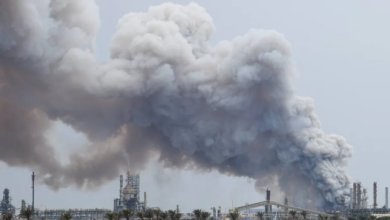
In a new military achievement reflecting high efficiency and constant vigilance, the Royal Saudi Air Defense Forces intercepted and destroyed two ballistic missiles and 12 explosive-laden drones launched by the Houthi militia in a systematic and deliberate attempt to target civilian infrastructure and civilians within the Kingdom of Saudi Arabia. This incident reaffirms the Saudi Armed Forces' utmost readiness to counter and thwart all aerial threats before they reach their targets, thus ensuring the safety of lives and property.
General context and historical background of the attacks
These attacks stem from the ongoing conflict in Yemen, where the Houthi militia, since its coup against the legitimate government in 2014 and the subsequent intervention of the Saudi-led coalition in 2015, has consistently used explosive-laden drones and ballistic missiles as a primary tool in its military operations. These cross-border attacks constitute a blatant violation of international humanitarian law and its customary rules, as they directly target civilian populations and vital infrastructure. Reports from the United Nations and numerous international organizations have documented the continued flow of weapons and military technology to the militias, which contributes to prolonging the conflict and complicating regional peace efforts.
Local impact: Protection of civilians and economic assets
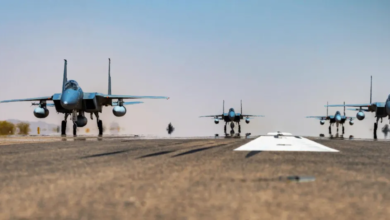
Domestically, the success of Saudi Arabia's defenses in intercepting such a large number of missiles and drones simultaneously sends a strong message of reassurance to citizens and residents across the Kingdom. Saudi Arabia relies on highly advanced air defense systems, such as the Patriot system and other radars and early warning systems, which have proven their effectiveness in neutralizing hundreds of aerial threats over the years. Protecting civilian infrastructure, including airports, hospitals, and vital facilities, is a top priority for the Saudi leadership, and this is demonstrated in practice through the resolute response to any attempt to violate Saudi airspace.
Regional and international importance of the event
Regionally and internationally, the repercussions of these attacks are not limited to Saudi Arabia alone, but extend to pose a direct threat to regional security and stability, as well as to international shipping lanes and global energy supplies. Saudi Arabia is one of the world's largest oil exporters, and any targeting of its vital infrastructure negatively impacts the entire global economy and leads to instability in energy markets. Therefore, these Houthi attacks are consistently met with widespread condemnation from the international community, including the United Nations Security Council, the League of Arab States, the Organization of Islamic Cooperation, and allied and friendly nations.
Operational procedures and adherence to international law
For its part, the Joint Forces Command of the Coalition to Restore Legitimacy in Yemen affirms its continued commitment to taking and implementing all necessary operational measures to protect civilians and civilian infrastructure, in accordance with international humanitarian law. These measures include destroying the Houthi militias' advanced capabilities in their locations and neutralizing the threat of drones and ballistic missiles before launch, while taking utmost care to avoid civilian casualties within Yemen. This commitment reflects a firm moral and legal stance in the face of ongoing hostilities.