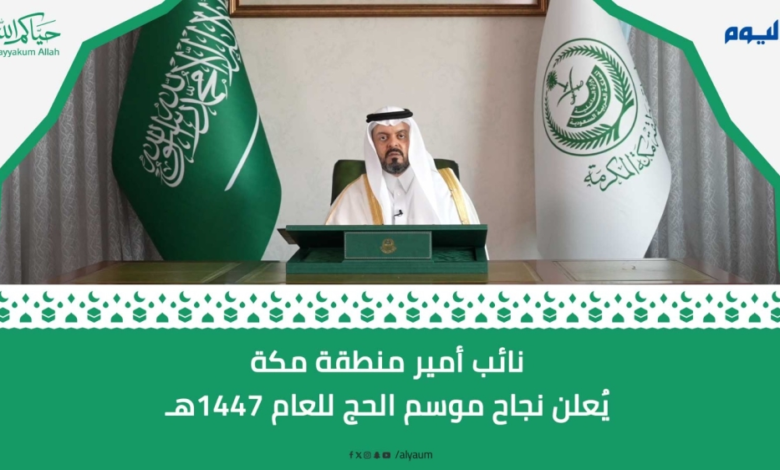

أعلن صاحب السمو الملكي الأمير سعود بن مشعل بن عبدالعزيز، نائب أمير منطقة مكة المكرمة ونائب رئيس لجنة الحج المركزية، نجاح خطط موسم حج هذا العام 1445هـ. وأكد سموه أن هذا الإنجاز جاء بفضل الله أولاً، ثم بفضل التوجيهات السديدة والدعم غير المحدود من خادم الحرمين الشريفين الملك سلمان بن عبدالعزيز آل سعود، والمتابعة الدقيقة من صاحب السمو الملكي الأمير محمد بن سلمان بن عبدالعزيز، ولي العهد رئيس مجلس الوزراء.
ورفع سموه، باسم أمير منطقة مكة المكرمة مستشار خادم الحرمين الشريفين الأمير خالد الفيصل، ونيابة عن وزير الداخلية رئيس لجنة الحج العليا الأمير عبدالعزيز بن سعود بن نايف، أسمى آيات التهاني والتبريكات للقيادة الرشيدة بهذه المناسبة. وأشاد بالمنظومة المتكاملة من الأمن والتنظيم والخدمات التي مكنت ضيوف الرحمن من أداء مناسكهم في أجواء من اليسر والطمأنينة والسكينة.
إرث تاريخي من خدمة ضيوف الرحمن
تتولى المملكة العربية السعودية شرف خدمة الحرمين الشريفين وتنظيم الحج منذ تأسيسها، وتعتبر هذه المهمة جزءاً لا يتجزأ من هويتها ورسالتها. على مر العقود، سخرت الدولة كافة إمكانياتها المادية والبشرية لتطوير البنية التحتية في المشاعر المقدسة وتوسعة الحرمين الشريفين، بهدف استيعاب الأعداد المتزايدة من الحجاج وتوفير أقصى درجات الراحة والأمان لهم. ويأتي نجاح كل موسم حج تتويجاً لجهود تمتد لعام كامل من التخطيط والتنسيق بين مختلف القطاعات الحكومية والخاصة، ويعكس الخبرة التراكمية العميقة في إدارة أكبر تجمع بشري ديني في العالم.
منظومة متكاملة لنجاح استثنائي
أوضح الأمير سعود بن مشعل أن النجاح الاستثنائي لهذا الموسم هو نتاج تضافر جهود جميع الجهات المشاركة. فقد عملت القطاعات الأمنية على تنفيذ خطط محكمة لضمان سلامة الحجاج وتنظيم حركتهم في المشاعر، بينما قدمت وزارة الصحة خدمات رعاية طبية شاملة عبر شبكة من المستشفيات والمراكز الصحية الميدانية. كما لعبت التقنيات الحديثة، مثل بطاقة “نسك” الذكية والتطبيقات الرقمية، دوراً محورياً في تسهيل الإجراءات وتقديم الإرشادات للحجاج، مما جسد تكامل الجهود في مشهد يعكس قدرة المملكة على إدارة الحشود بكفاءة واقتدار.
أبعاد النجاح وتأثيره العالمي
لا يقتصر نجاح موسم الحج على المستوى المحلي، بل يمتد تأثيره إلى العالم الإسلامي بأسره. فهو يعزز مكانة المملكة كقلب نابض للعالم الإسلامي وقائدة له، ويرسل رسالة طمأنينة للعالم أجمع بقدرتها على تأمين هذا الركن الخامس من أركان الإسلام. كما يمثل النجاح دافعاً اقتصادياً مهماً يتماشى مع أهداف رؤية المملكة 2030، التي تهدف إلى تحسين تجربة الحج والعمرة. وأكد سموه أن نجاح هذا الموسم ليس نهاية المطاف، بل هو بداية لمسؤوليات جديدة وعهد يتجدد كل عام للحفاظ على هذه المكتسبات وتقديم الأفضل لضيوف الرحمن.