
مقدمة عن المباحثات السعودية اليونانية
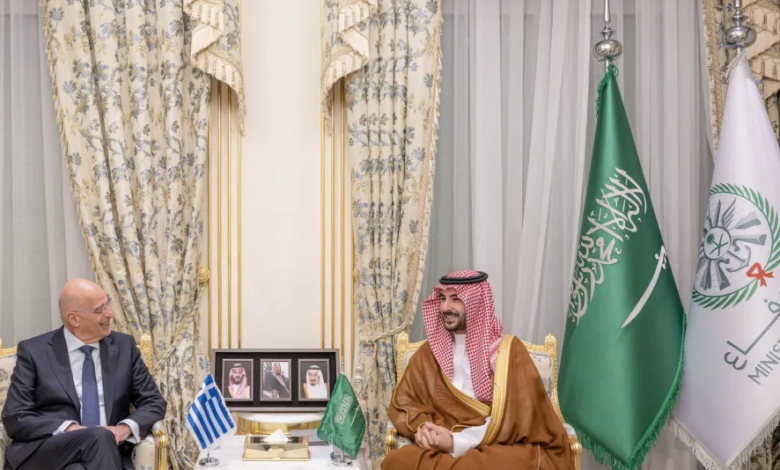
في إطار الجهود الدبلوماسية المستمرة لتعزيز الأمن والاستقرار، تبحث المملكة العربية السعودية وجمهورية اليونان بشكل متواصل تداعيات الأوضاع الراهنة في المنطقة. تأتي هذه المباحثات في وقت تشهد فيه منطقة الشرق الأوسط وشرق البحر الأبيض المتوسط تحديات جيوسياسية متسارعة تتطلب تنسيقاً مشتركاً وعملاً دؤوباً لتخفيف حدة التوترات. وتعتبر هذه اللقاءات انعكاساً حقيقياً لعمق العلاقات الثنائية بين الرياض وأثينا، وحرصهما على تبادل وجهات النظر حيال القضايا الإقليمية والدولية ذات الاهتمام المشترك، والعمل على إيجاد حلول سلمية تضمن استقرار المنطقة.
السياق العام والخلفية التاريخية للعلاقات
ترتكز العلاقات السعودية اليونانية على أسس تاريخية متينة ومصالح استراتيجية متبادلة تطورت بشكل ملحوظ خلال السنوات القليلة الماضية. وقد توجت هذه العلاقات بتأسيس مجلس الشراكة الاستراتيجية السعودي اليوناني، والذي يهدف إلى مأسسة التعاون بين البلدين في شتى المجالات. وتعد الزيارة التاريخية التي قام بها صاحب السمو الملكي الأمير محمد بن سلمان بن عبدالعزيز، ولي العهد رئيس مجلس الوزراء، إلى العاصمة اليونانية أثينا في عام 2022، نقطة تحول كبرى في مسار العلاقات الثنائية، حيث شهدت توقيع العديد من الاتفاقيات ومذكرات التفاهم في قطاعات حيوية مثل الطاقة، والدفاع، والاستثمار، والتكنولوجيا، مما جعل اليونان شريكاً أوروبياً موثوقاً للمملكة.
أهمية الحدث وتأثيره الإقليمي والدولي
تكتسب المباحثات بين السعودية واليونان أهمية بالغة على عدة أصعدة. فعلى الصعيد الإقليمي، تلعب المملكة العربية السعودية دوراً ريادياً في قيادة جهود السلام والاستقرار في العالم العربي والشرق الأوسط، بينما تمثل اليونان ركيزة أساسية للأمن في منطقة البلقان وشرق المتوسط، وبوابة استراتيجية لأوروبا. إن التنسيق بين البلدين يساهم بشكل مباشر في دعم الجهود الرامية إلى إيجاد حلول سياسية للأزمات المتلاحقة، بما في ذلك التوترات في البحر الأحمر وتأثيرها المباشر على أمن حركة الملاحة البحرية والتجارة العالمية، وهو ما ينعكس إيجاباً على الاقتصاد العالمي ككل.
التعاون الاقتصادي وأمن الطاقة
لا تقتصر المباحثات على الجوانب السياسية والأمنية فحسب، بل تمتد لتشمل الأبعاد الاقتصادية الاستراتيجية. يبرز التعاون في مجال الطاقة كأحد أهم ركائز الشراكة، حيث تسعى السعودية لتصدير الطاقة المتجددة والهيدروجين النظيف إلى القارة الأوروبية عبر اليونان. كما يمثل مشروع ممر البيانات الممتد من الشرق إلى المتوسط (EMC) خطوة رائدة لربط قارتي آسيا وأوروبا رقمياً، مما يعزز من مكانة البلدين كمركزين لوجستيين وتقنيين عالميين، ويضمن استمرارية تدفق البيانات والطاقة بأمان.
خلاصة وتطلعات مستقبلية
ختاماً، تؤكد المباحثات السعودية اليونانية حول تداعيات أوضاع المنطقة على التزام البلدين الصارم بمبادئ القانون الدولي وميثاق الأمم المتحدة. إن استمرار هذا الحوار الاستراتيجي لا يخدم فقط المصالح الثنائية، بل يمتد أثره الإيجابي ليشمل تعزيز السلم والأمن الدوليين، وضمان استقرار سلاسل الإمداد العالمية، ودعم مسيرة التنمية المستدامة في كلا المنطقتين. وتتطلع الأوساط السياسية والاقتصادية إلى أن تثمر هذه اللقاءات والتشاورات المستمرة عن مبادرات عملية تسهم في نزع فتيل الأزمات وبناء مستقبل أكثر ازدهاراً وأمناً لشعوب المنطقة والعالم أجمع.