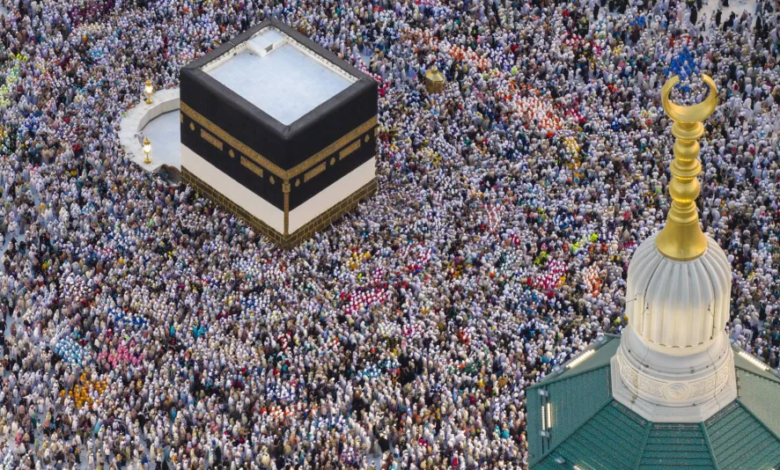

أعلنت المملكة العربية السعودية رسميًا عن النجاح الكامل لموسم الحج لعام 1445هـ (2024م)، مؤكدةً على سلامة وراحة أكثر من 1.8 مليون حاج قدموا من مختلف أنحاء العالم لأداء الركن الخامس من أركان الإسلام. وجاء هذا الإعلان تتويجًا لجهود تنظيمية ضخمة ومنظومة خدمات متكاملة عملت على مدار الساعة لضمان تجربة إيمانية آمنة وميسرة لضيوف الرحمن.
السياق التاريخي وأهمية فريضة الحج
يُعد الحج فريضة دينية أساسية وتجمعًا إسلاميًا هو الأكبر على مستوى العالم، حيث يتوافد المسلمون إلى مكة المكرمة لأداء مناسك محددة في وقت معلوم. على مر العصور، شكل تنظيم هذا الحدث تحديًا لوجستيًا هائلاً. وتاريخيًا، واجهت رحلة الحج صعوبات جمة تتعلق بالسفر والأمن والصحة. ومع تأسيس المملكة العربية السعودية، أولت الدولة اهتمامًا بالغًا بتطوير البنية التحتية والخدمات في المشاعر المقدسة، محولةً التحديات إلى فرص لتقديم أرقى مستويات الخدمة، وهو ما يعكس التزامها بدورها كخادمة للحرمين الشريفين.
عوامل النجاح في موسم حج 1445هـ
اعتمد نجاح هذا الموسم على عدة ركائز أساسية، أبرزها التكامل بين الجهات الحكومية المختلفة وتوظيف التقنيات الحديثة لرفع كفاءة الخدمات. ومن أهم هذه العوامل:
- التحول الرقمي: لعبت منصة “نسك” وبطاقة الحج الذكية دورًا محوريًا في تسهيل الإجراءات منذ لحظة التسجيل وحتى مغادرة الحجاج. ساهمت هذه الأدوات الرقمية في تنظيم حركة الحشود، وتقديم معلومات فورية، والوصول السريع إلى الخدمات الصحية والأمنية.
- المنظومة الصحية: في ظل التحديات المناخية وارتفاع درجات الحرارة، كثفت وزارة الصحة جهودها الوقائية والعلاجية، حيث تم تجهيز مستشفيات ومراكز صحية ميدانية متكاملة، وتوزيع فرق طبية متنقلة لتقديم الرعاية الفورية. وقد أعلنت الوزارة عن خلو الموسم من أي أمراض وبائية، مما يعد مؤشرًا رئيسيًا على نجاح الخطط الصحية.
- التنظيم الأمني وإدارة الحشود: نفذت الجهات الأمنية خططًا دقيقة لتنظيم حركة المشاة والمركبات بين المشاعر المقدسة (منى، عرفات، مزدلفة)، مستخدمةً أحدث تقنيات المراقبة والذكاء الاصطناعي لضمان انسيابية الحركة وتجنب التكدس، مما ساهم في أداء الحجاج لمناسكهم بطمأنينة وسكينة.
الأهمية والتأثيرات المتوقعة لنجاح الموسم
لا يقتصر نجاح موسم الحج على الجانب التنظيمي فحسب، بل يمتد تأثيره إلى أبعاد متعددة:
- على الصعيد المحلي: يعزز هذا النجاح من مكانة المملكة كدولة قادرة على إدارة أكبر التجمعات البشرية بكفاءة واقتدار، كما يتماشى مع أهداف رؤية السعودية 2030 التي تهدف إلى تحسين تجربة الحجاج والمعتمرين ورفع جودة الخدمات المقدمة لهم.
- على الصعيدين الإقليمي والدولي: يرسخ نجاح الحج مكانة المملكة القيادية في العالم الإسلامي، ويعكس صورة إيجابية عن قدرتها على توفير الأمن والرعاية لملايين المسلمين. كما يقدم نموذجًا عالميًا في إدارة الأزمات والحشود، ويبرز التطور التقني والبشري الذي وصلت إليه المملكة في مختلف المجالات.
وفي الختام، يمثل نجاح موسم الحج شهادة على التخطيط الدقيق والتنفيذ المتقن والحرص الدائم من قبل القيادة السعودية على خدمة ضيوف الرحمن، مع مواصلة الاستثمار في تطوير البنية التحتية والخدمات لضمان تجربة حج أكثر يسرًا وأمانًا في الأعوام القادمة.