Birth statistics in Saudi Arabia: 1480 births daily, with Riyadh leading the way

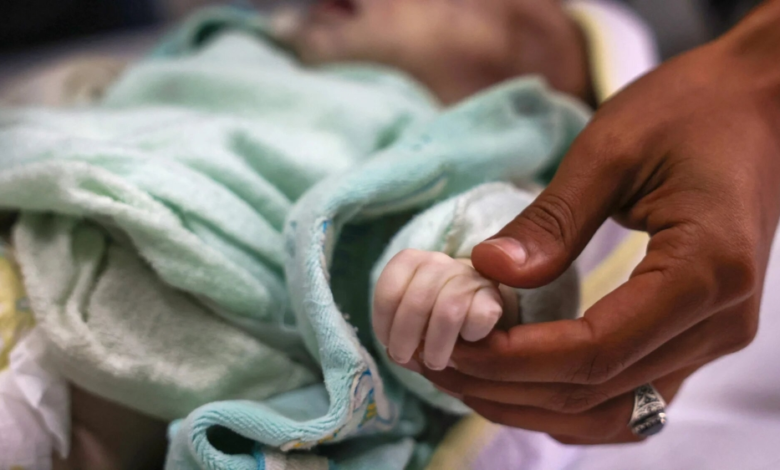
Recent official health statistics have revealed a demographic boom in Saudi Arabia, with hospitals across all health sectors recording a remarkable 514,968 births in a single year. This figure reflects a birth rate of nearly one baby per minute, with a daily average exceeding 1,480 births, underscoring the robustness of the Kingdom's healthcare system and its capacity to accommodate this rapid population growth.
Riyadh leads the way, with Mecca in second place
In terms of geographical distribution, the Riyadh region topped the list with the highest number of births at 137,348, reflecting the capital's high population density and the availability of advanced medical services. The Makkah region came in second with over 110,000 births, encompassing the Ministry's branches in Makkah, Jeddah, Taif, and Al-Qunfudhah, highlighting the vital role of the western region in the population map.
Eastern Province: Detailed Figures
The Eastern Province ranked third nationally, with its hospitals receiving 74,586 newborns. Detailed data from the Ministry's branch in Dammam alone showed 45,588 births, comprising 23,431 males and 22,146 females. Al-Ahsa Governorate recorded 19,192 births, and Hafr Al-Batin 9,806, underscoring the Eastern Province's pivotal role as a major population and economic center in the Kingdom.
Indications for natural and cesarean birth
On the medical front, data revealed variations in the quality of births, with vaginal deliveries maintaining their dominance at nearly 60% (304,796 cases), a positive indicator reflecting the quality of maternal healthcare. In contrast, cesarean sections accounted for approximately 40.8% (210,167 cases), a percentage attributed to the medical staff's commitment to ensuring the safety of mothers and babies when medically necessary, and the availability of advanced surgical equipment in Saudi hospitals.
Demographic indicators and population diversity
Statistics revealed a striking disparity in the demographic composition of births. While Saudi women accounted for 73.1% of all births (376,603 cases), Al-Qurayyat Governorate recorded the highest percentage of Saudi births at approximately 92%. Conversely, the Holy City of Mecca recorded the lowest percentage of Saudi births at 50%, reflecting the cosmopolitan nature of Mecca and the great diversity of its population, which is home to the holiest place on earth.
The importance of numbers for the future of development
These figures carry important implications that go beyond the health aspect, as they are a vital indicator for future development plans within the Kingdom’s Vision 2030. The increase in the number of births requires strategic planning to provide educational, housing and employment services in the future. These data also reflect the success of the Ministry of Health in providing safe care for mothers and children, which contributes to raising the quality of life indicators in the Kingdom.