
السعودية تعرب عن إدانتها الشديدة لاستهداف أربيل
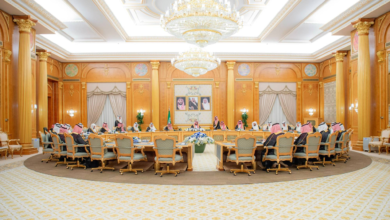
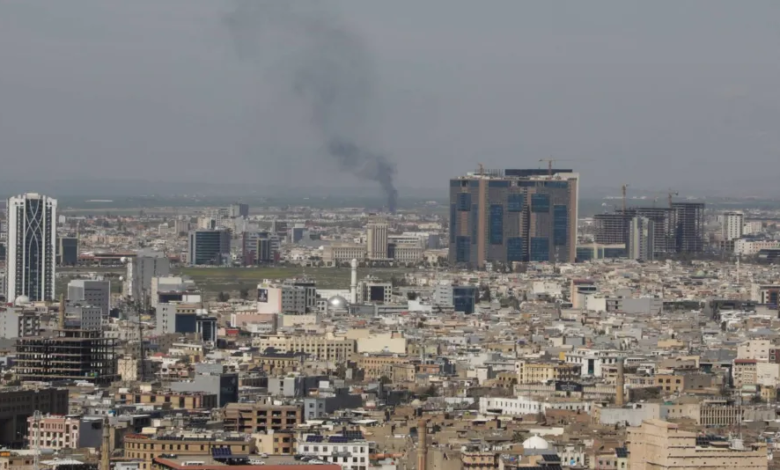
أعربت المملكة العربية السعودية عن إدانتها واستنكارها الشديدين للهجمات التي استهدفت المقرات الرئاسية في مدينة أربيل، عاصمة إقليم كردستان العراق. وأكدت وزارة الخارجية السعودية في بياناتها الرسمية على الموقف الثابت للمملكة الرافض بشدة لأي مساس بأمن واستقرار جمهورية العراق الشقيقة. وتأتي هذه الإدانة في إطار التضامن الكامل مع الحكومة العراقية وحكومة إقليم كردستان في مواجهة التهديدات التي تستهدف سيادة البلاد وسلامة أراضيها، مشددة على رفضها القاطع للإرهاب بكافة أشكاله وصوره.
السياق العام والخلفية التاريخية للهجمات على أربيل
شهدت مدينة أربيل، التي تُعد من أكثر المناطق استقراراً وأمناً في العراق منذ عقود، سلسلة من الهجمات المتكررة خلال السنوات الأخيرة. وغالباً ما تُنفذ هذه الهجمات باستخدام الصواريخ الباليستية أو الطائرات المسيرة المفخخة، وتستهدف مناطق حيوية تضم مقرات حكومية، وأحياء سكنية، وقنصليات دبلوماسية أجنبية. تاريخياً، ارتبطت هذه الهجمات بتوترات إقليمية أوسع، حيث تسعى بعض الأطراف المسلحة والميليشيات إلى تصفية حسابات إقليمية ودولية على الساحة العراقية، مما يعد انتهاكاً صارخاً للقانون الدولي وميثاق الأمم المتحدة ومبادئ حسن الجوار.
موقف المملكة الداعم لسيادة العراق
تتبنى المملكة العربية السعودية سياسة خارجية واضحة تجاه العراق، ترتكز على دعم مؤسسات الدولة العراقية وتعزيز العلاقات الثنائية في مختلف المجالات. وقد شهدت السنوات الماضية تقارباً ملحوظاً بين الرياض وبغداد، تُوج بتأسيس مجلس التنسيق السعودي العراقي. ومن هذا المنطلق، تنظر السعودية إلى أمن العراق باعتباره جزءاً لا يتجزأ من أمنها القومي وأمن المنطقة بأسرها، وتشدد دائماً على ضرورة تجنيب العراق ليكون ساحة للصراعات الإقليمية والدولية.
أهمية الحدث وتأثيره المتوقع على مختلف الأصعدة
التأثير المحلي
على الصعيد المحلي، تشكل هذه الهجمات تهديداً مباشراً لحياة المدنيين الأبرياء وتدمر البنية التحتية. كما أنها تضع تحديات إضافية أمام الحكومة الاتحادية في بغداد وحكومة إقليم كردستان في مساعيهما لفرض سيادة القانون وحصر السلاح بيد الدولة، وتؤثر سلباً على مناخ الاستثمار والتنمية في الإقليم الذي طالما اعتُبر الملاذ الآمن للاستثمارات في العراق.
التأثير الإقليمي والدولي
إقليمياً، تزيد هذه الاستهدافات من حدة الاحتقان والتوتر في الشرق الأوسط، وتعرقل الجهود الدبلوماسية الرامية إلى إرساء السلام والاستقرار. أما دولياً، فإن استهداف أربيل يثير قلق المجتمع الدولي، خاصة وأن المدينة تستضيف بعثات دبلوماسية وقوات تابعة للتحالف الدولي لمحاربة الإرهاب. وقد توالت الإدانات الدولية من قبل الأمم المتحدة والولايات المتحدة والاتحاد الأوروبي، مطالبة بضرورة احترام سيادة العراق ومحاسبة الجهات المسؤولة عن هذه الأعمال العدائية.
خلاصة
في الختام، تجدد المملكة العربية السعودية وقوفها التام إلى جانب العراق الشقيق في كل ما يتخذه من إجراءات لحماية أمنه واستقراره. إن استمرار مثل هذه الهجمات يتطلب موقفاً دولياً حازماً وموحداً لوقف الانتهاكات المتكررة، ودعم جهود التنمية والبناء في العراق، ليعود فاعلاً ومؤثراً في محيطه العربي والإقليمي بعيداً عن التدخلات الخارجية.