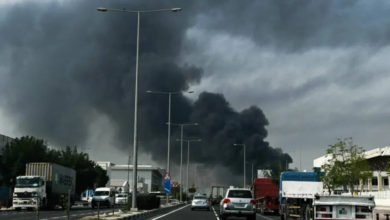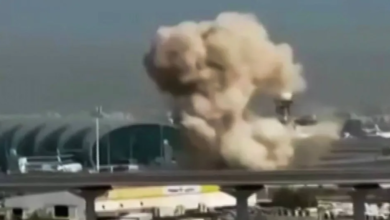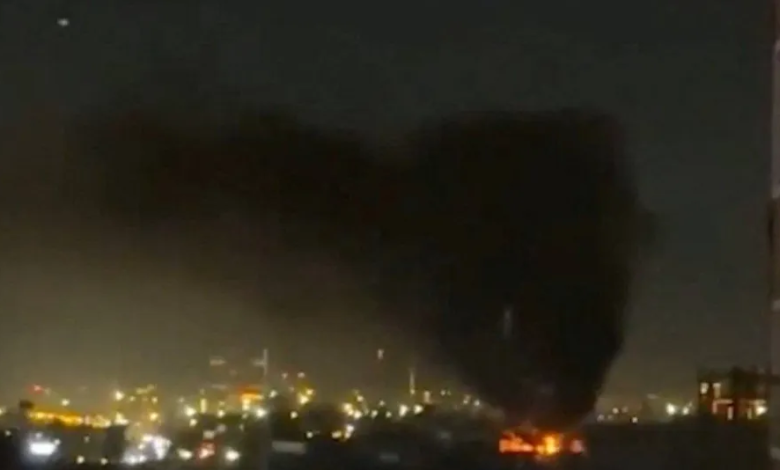

The Kingdom of Saudi Arabia expressed its strong condemnation and denunciation of the attack targeting the Consulate of the United Arab Emirates in Erbil, the capital of the Kurdistan Region of Iraq. In an official statement, the Saudi Ministry of Foreign Affairs affirmed the Kingdom's full support and solidarity with the sisterly United Arab Emirates, emphasizing its categorical rejection of all forms of violence and terrorism that aim to destabilize security and stability and are contrary to international laws and norms.
A firm Saudi stance and Gulf solidarity
This Saudi stance underscores the depth of the strategic bilateral relations between Riyadh and Abu Dhabi, with the Kingdom considering any threat to the security of the UAE or its diplomatic missions a direct threat to the security of the entire region. The Kingdom also reiterated its support for the brotherly Republic of Iraq in its efforts to assert state sovereignty, combat terrorism, and confront armed militias attempting to undermine state institutions and target foreign diplomatic missions.
General context and historical background of the event
Over the past few years, the Kurdistan Region of Iraq, particularly its capital Erbil, has witnessed a series of repeated attacks targeting Erbil International Airport, diplomatic missions, and military bases hosting international coalition forces. These attacks are often attributed to armed groups operating outside state control, seeking to send political and security messages to regional and international actors. Protecting diplomatic premises is an international obligation under the 1961 Vienna Convention on Diplomatic Relations, which requires the host state to take all necessary measures to protect diplomatic missions and prevent any intrusion or damage to them.
The importance of the event and its regional and international impact
The attack on the UAE consulate in Erbil carries serious implications for regional security. Domestically, this incident presents the Iraqi federal government and the Kurdistan Regional Government with escalating security challenges, compelling them to strengthen security and intelligence cooperation to prevent the recurrence of such breaches, which damage Iraq's reputation and hinder its efforts to attract foreign investment. Regionally, these attacks are viewed as attempts to destabilize the region and increase tensions in the Middle East, necessitating a unified Arab and Gulf stance, as demonstrated by the swift and decisive Saudi response.
Internationally, these incidents are raising concerns within the international community, with condemnations pouring in from the United Nations and major powers emphasizing the need to respect Iraq's sovereignty and protect diplomats. The continuation of these attacks threatens to undermine international efforts to assist Iraq in its recovery and reconstruction phase, making it imperative to bring the perpetrators to justice and ensure they do not escape punishment, thereby promoting overall stability in the region.