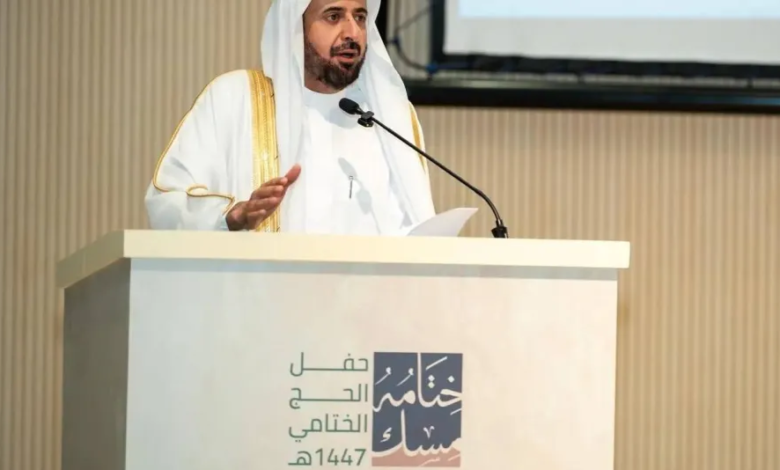

في خطوة استباقية تعكس التطور الكبير في استراتيجيات إدارة الحشود والتخطيط المسبق، أعلنت وزارة الحج والعمرة في المملكة العربية السعودية عن تسليم “وثيقة الترتيبات الأولية لموسم حج عام 1447هـ / 2026م” إلى مكاتب شؤون الحجاج في مختلف الدول الإسلامية. يأتي هذا الإجراء غير المسبوق في توقيته المبكر ضمن إطار جهود المملكة المستمرة لتطوير منظومة خدمات الحج وتسهيل رحلة ضيوف الرحمن، بما يتماشى مع مستهدفات رؤية السعودية 2030.
السياق العام والخلفية التاريخية
تاريخياً، كانت الاستعدادات لموسم الحج تبدأ قبل أشهر قليلة من انطلاقه، مما كان يضع ضغطاً كبيراً على بعثات الحج والدول المختلفة في إتمام التعاقدات وتأمين الخدمات لحجاجها. إلا أن السنوات الأخيرة شهدت تحولاً جذرياً في هذا النهج، حيث بدأت المملكة في تطبيق نموذج التخطيط الاستباقي. فبعد انتهاء كل موسم حج مباشرة، يتم الإعلان عن الترتيبات للموسم التالي، والآن تم الانتقال إلى التخطيط لموسمين قادمين. هذا التحول يمثل تتويجاً لعقود من الخبرة في إدارة أحد أكبر التجمعات البشرية في العالم، ويعكس الرغبة في الاستفادة من التكنولوجيا والبيانات لتحقيق أعلى مستويات الكفاءة التشغيلية.
أهمية الحدث وتأثيره المتوقع
يحمل تسليم وثيقة الترتيبات المبكرة أهمية بالغة على عدة مستويات. على المستوى الدولي، يمنح هذا الإجراء وقتاً كافياً للدول وبعثاتها الرسمية للتخطيط المالي واللوجستي، واختيار أفضل مزودي الخدمات من سكن ونقل وإعاشة في مكة المكرمة والمدينة المنورة والمشاعر المقدسة. كما يتيح لهم فرصة أكبر للتفاوض على عقود تنافسية، مما ينعكس إيجاباً على التكلفة النهائية التي يتحملها الحاج.
على المستوى المحلي، يعزز هذا النهج من مكانة المملكة كقائدة ورائدة في تنظيم وإدارة مواسم الحج، ويؤكد على التزامها بتوفير تجربة إيمانية آمنة وميسرة. كما يساهم في تنظيم السوق المحلي لخدمات الحج، ويمنع التكدس والازدحام في إبرام العقود قُبيل الموسم. أما بالنسبة للحجاج أنفسهم، فإن هذه الخطوة تترجم إلى رحلة أكثر تنظيماً وسلاسة، حيث تضمن لهم الحصول على خدمات عالية الجودة تم التخطيط لها بعناية فائقة، مما يسمح لهم بالتركيز بشكل كامل على أداء مناسكهم بروحانية وطمأنينة.
تتضمن الوثيقة عادةً الخطوط العريضة للموسم، بما في ذلك الحصص المخصصة لكل دولة، والجدول الزمني لإصدار التأشيرات، والاشتراطات الصحية والتنظيمية، بالإضافة إلى معايير الخدمات التي يجب توفيرها للحجاج. ويعد هذا الإجراء جزءاً لا يتجزأ من منظومة متكاملة تهدف إلى رفع جودة الخدمات المقدمة لضيوف الرحمن، وتحقيق تجربة حج استثنائية لا تُنسى.